Europe's largest hunting expo: sellout of nature
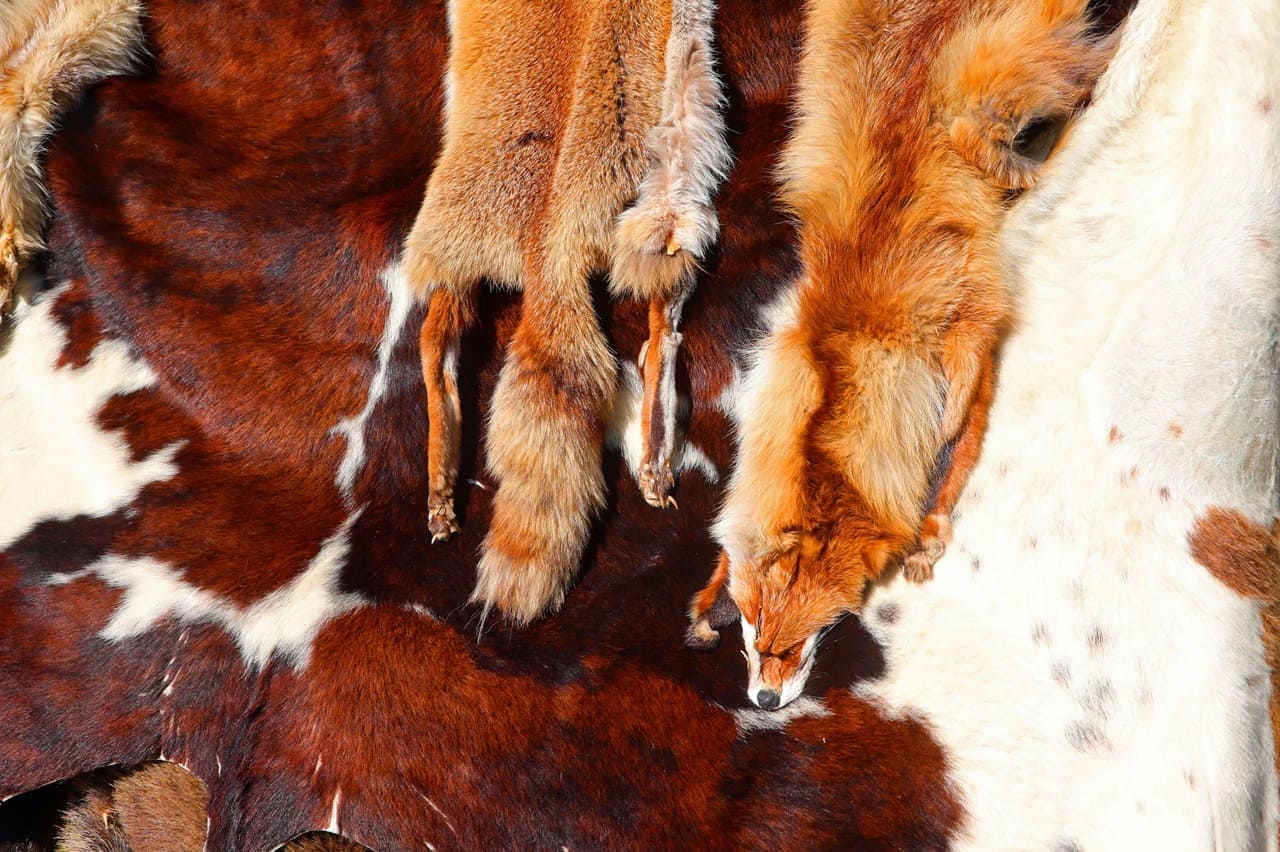
Europe's largest hunting expo "Jagd & Hund" in Dortmund is once again at the center of criticism and protests from international animal protection and species conservation organizations.


Specifically, the protest targets the continued offering of trophy hunting trips where wild animals such as elephants, lions or polar bears are released for killing in exchange for payment.
According to PETA, elephant killings are offered from 18,000 euros, lion killings from 12,000 euros and polar bear hunts from 44,000 euros, although these offers would not be legally possible in Germany if they were carried out here.
Animal welfare organizations see such offerings not only as a moral problem, but as an expression of global species extinction. The protest action in front of the trade fair shows activists in dramatic staging to visualize animal suffering and move politicians to action. PETA calls on the organizer and the city of Dortmund to stop the trade in hunting trips at the fair and specifically to enforce an import ban on hunting trophies.
Bred and shot: Canned hunting of lions as a mirror of the problem
In parallel, the species conservation organization Pro Wildlife has published a report on so-called canned hunting. At the center are breeding lion farms in South Africa, where more than 8,000 animals are kept, significantly more than wild lions living in the wild. These animals are systematically bred, often under poor conditions, first used as tourist attractions and later offered as supposedly 'affordable' trophies for shooting.
Pro Wildlife expert Dr. Mona Schweizer describes the shooting of these animals as the 'cruel endpoint of lifelong exploitation'. Official figures show that since 2015, around 87 percent of lion trophies imported to Germany came from such captive-bred lions. Despite strong professional criticism, the import of hunting trophies remains legal in Germany, as does the marketing of such hunting trips at fairs like 'Jagd und Hund'.
Animal welfare law and moral dimension of trophy hunting
From a hunting-critical perspective, trophy hunting stands symbolically for a profound failure of wildlife protection and ethics in dealing with wild animals. The marketing and pricing of kills reduce highly developed, social animals like elephants and lions to consumer goods for affluent hunting tourists. According to many animal welfare organizations, this business contradicts not only German animal welfare law, but also fundamental principles of species conservation.
. Furthermore, scientific studies show that trophy hunting does not contribute to the protection of wild populations, but on the contrary preferentially targets genetically healthy and socially important animals. Hobby hunters often target precisely the largest or most dominant animals that are crucial for stable pack and herd structures.
Why joy in killing is not a harmless leisure motive
People who take pleasure in killing living beings and paying for it show, from a psychological perspective, no normal leisure behavior. This behavior contradicts fundamental mechanisms of empathy, compassion and moral inhibition, as they exist in the majority of mentally healthy people. Psychologically, this constitutes deviant violent behavior, even if it is politically or culturally tolerated.
Joy in killing is a classic characteristic of pleasure-based violence. The act of violence itself is rewarding. Not the result, not the necessity, but the killing. This is not a marginal phenomenon, but clearly described in violence psychology.
Those who experience recreational hunting as pleasure show a psychologically problematic violence motivation that is historically and structurally related to authoritarian and devaluing ideologies.