Wildlife warning system to reduce wildlife accidents in Zug
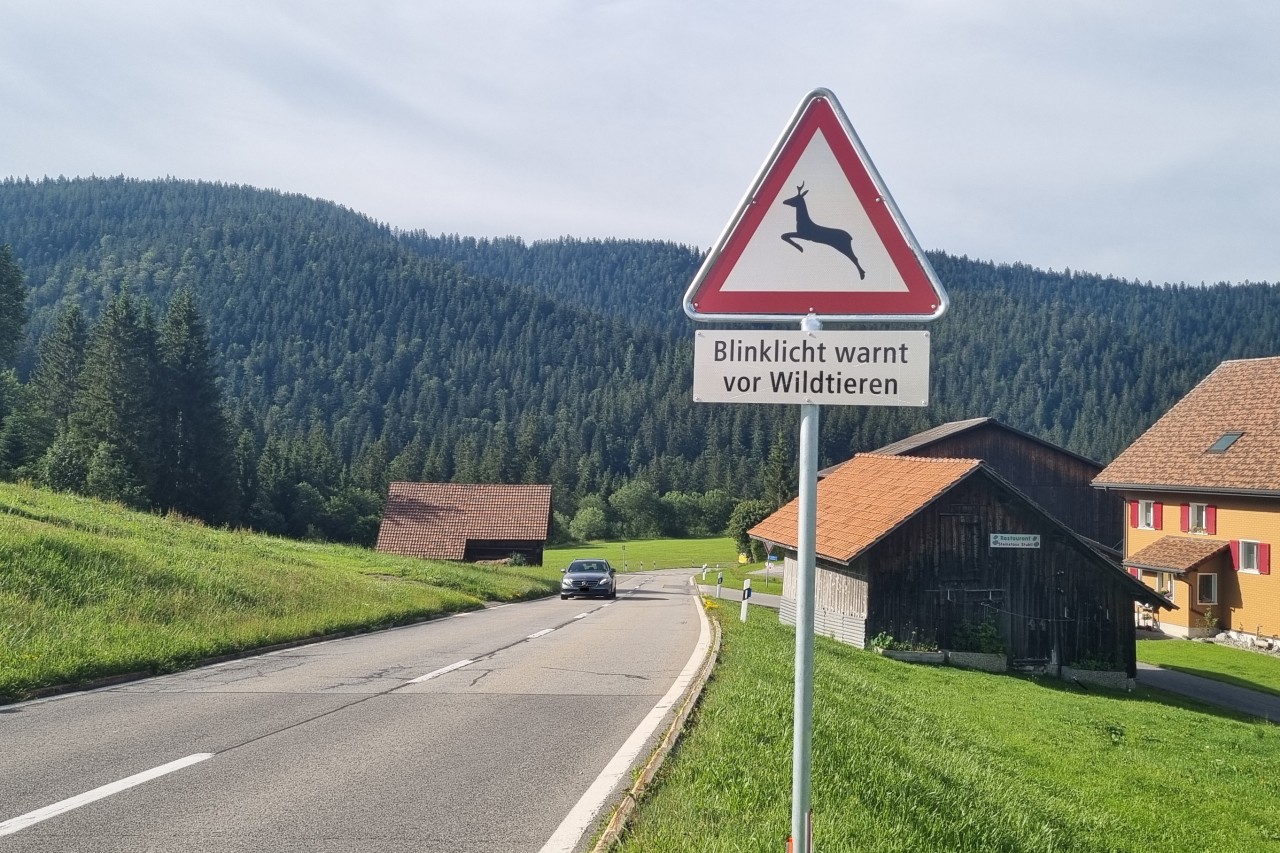
To prevent accidents involving wildlife, the Office for Forest and Wildlife is installing the first wildlife warning system in the canton of Zug on the Ratenstrasse in Oberägeri. It alerts drivers at an early stage when an animal is in the vicinity of the road. The system is expected to be tested for three years. If the experience is positive, it will be examined whether this innovative system could also be deployed on other road sections.

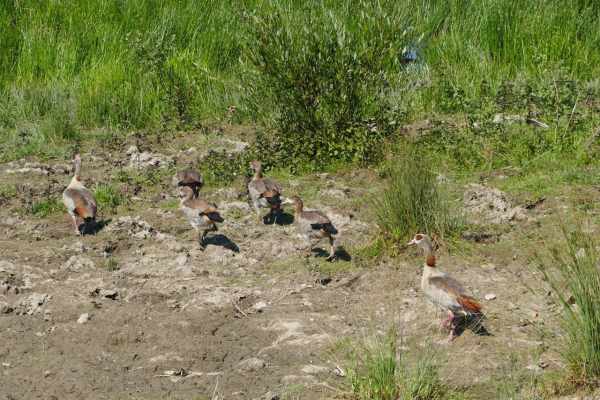
Every year, numerous wild animals in the canton of Zug are killed in road traffic.
Such wildlife accidents occur frequently during twilight hours and in places where animals must cross roads in search of food. Particularly dangerous are roads with heavy traffic or high speed limits that pass through woodland areas or open meadows. Through a postulate dated 26 October 2021, the FDP parliamentary group tasked the Directorate of the Interior and in particular the Office for Forest and Wildlife with evaluating road sections with a high number of wildlife accidents and taking targeted measures. This approach also corresponds to the requirements of the cantonal hunting law.
Electronic warning system to reduce accidents
As part of a data analysis, ten routes in the canton of Zug were identified where traffic accidents involving wildlife occur particularly frequently. These happen with notable frequency on the Ratenstrasse in Oberägeri between Wyssenbach and Gutsch. On average, four to five traffic accidents per year occur at this location that prove fatal for wildlife. The Office for Forest and Wildlife also assumes a high number of unreported cases. For this reason, an electronic wildlife warning system will be installed on the Ratenstrasse at the beginning of August. Flashing lights are triggered via detection sensors on the roadside guide posts. As soon as a wild animal approaches and is detected by the sensors, the lights begin to flash and alert drivers to the animal. "We hope to be able to sustainably reduce accidents involving wildlife through the electronic wildlife warning system. This also serves the safety of road users," explains Martin Ziegler, head of the Office for Forest and Wildlife.
The system will be tested for three years. If the experience is positive, it will be examined whether the wildlife warning system could also be deployed on other road sections in the canton.