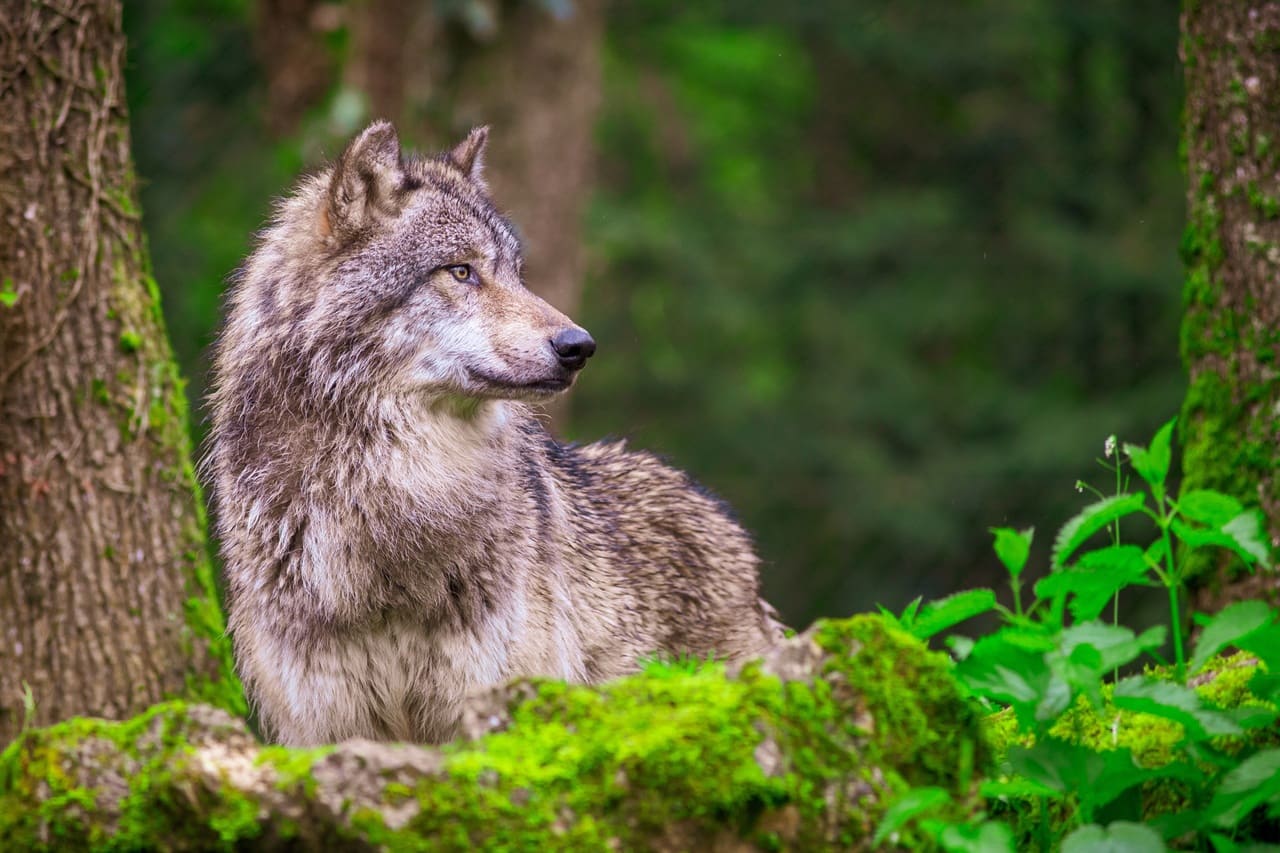
A trusting wolf and a major recreational area
Wolf GW2672m, dubbed the "Hornisgrinde Wolf" by media, has lived since 2024 in the area of the Black Forest National Park and the popular excursion mountain Hornisgrinde. Authorities and courts describe him as "conspicuously unafraid" because he has repeatedly approached humans and dogs at close range, observed them or accompanied them in parallel. Attacks on humans are not documented, nor are killed livestock. At its core, this concerns a curious wild male in a recreational area heavily used by us.

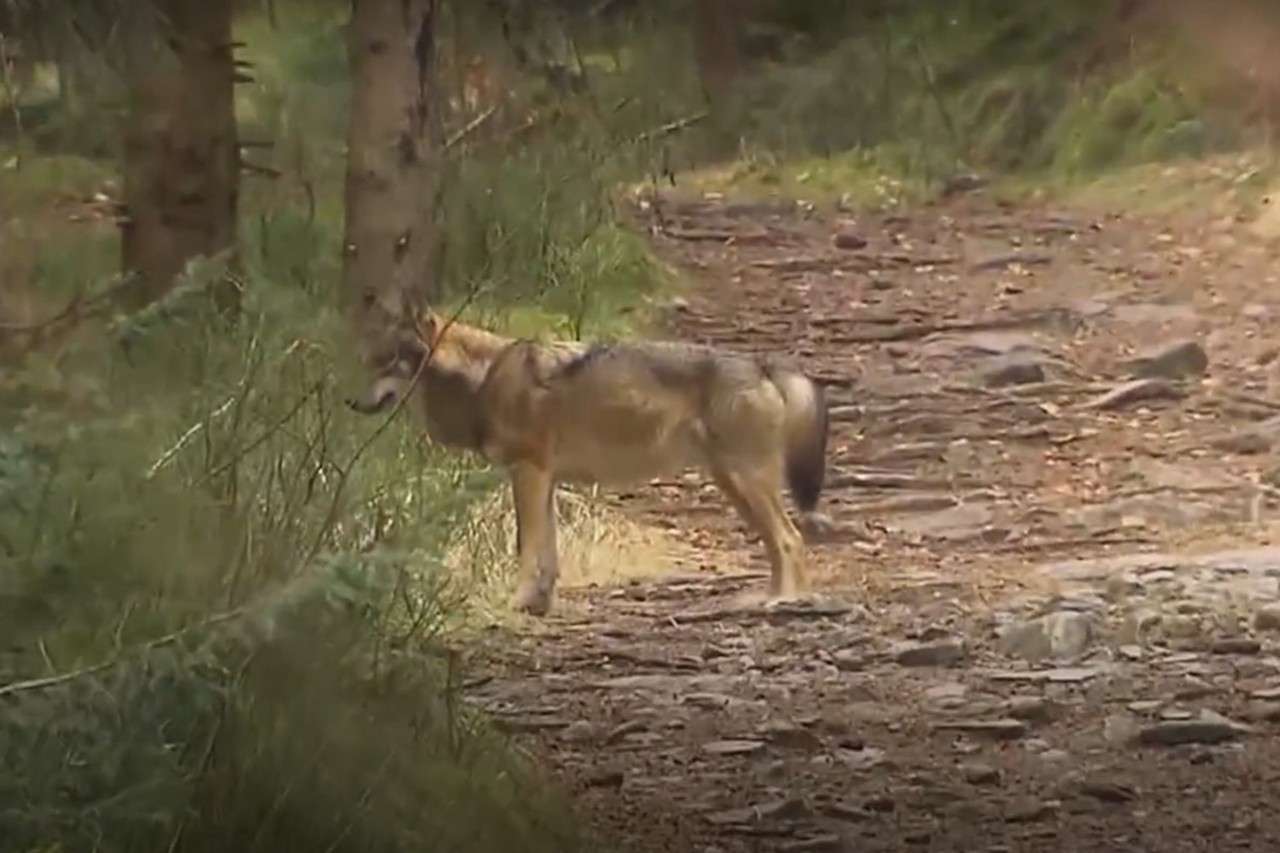
Nevertheless, the Baden-Württemberg Environment Ministry issued an exceptional permit to kill the wolf in January 2026, valid until 10 March, justifying this with "dangers to public safety".
The Administrative Court of Appeals (VGH) Mannheim has now confirmed this permit in emergency proceedings, rejected complaints from nature conservation associations and thus enabled the killing with immediate effect.
The Danger Argument in Court
It is striking how courts construct the threat scenario: The wolf is said to be present in a 'recreational area heavily frequented by humans,' encounters are deemed 'likely,' particularly during mating season. From this, the possibility of 'problematic situations' is derived, even though the last documented conspicuous behavior, according to an earlier interim decision by the VGH, occurred some time ago and no acute danger was discernible. A potential threat in an abstract future is thus transformed into an alleged necessity to kill today.
At the same time, the court acknowledges that only four wolves currently live permanently in Baden-Württemberg and that the conservation status of the population therefore depends on immigration. Instead of deriving particular restraint from this fact, the killing of one of the few animals is justified with the argument that a single culling would not harm the 'favorable conservation status.' This is legally convenient but ecologically absurd: Those who respond to every conflict situation with culling prevent precisely those habituation processes in administration and population that would be necessary for long-term coexistence.
'No Alternative': Really?
The Environment Ministry emphasizes that the wolf had been radio-collared, hazed, and they had even attempted to capture it for around two years; because none of this worked, only culling remains. The VGH adopts this narrative and stresses that reasonable alternatives to killing are no longer available. The court dismisses measures such as temporary closure of partial areas, stricter leash requirements for dogs, or targeted visitor guidance in the wolf's core habitat as allegedly impractical.
Yet official guidelines for wolf management do envision a graduated approach: from education and livestock protection through targeted hazing (e.g., rubber bullets, deterrent ammunition) to temporary enclosure solutions, even if experience with these in Germany is still limited. Instead of proactively understanding this gap as a research and practice mandate, ministry and court simply declare the lack of routine as an argument for why alternatives can be dispensed with entirely.
When Habituation Is Reinterpreted as 'Dangerousness'
Particularly irritating: Precisely those characteristics that would be celebrated as success of acceptance work with other wildlife—short flight distance, calm behavior in proximity to humans—are evaluated as danger indicators in the case of wolf GW2672m. The male has neither attacked humans nor killed livestock, but primarily observed, sniffed, and accompanied. Behavior that experts describe as curious, inexperienced, or motivated by food search.
Instead of questioning their own usage claims on a national park, politics and judiciary reverse the logic: We are not too close to a wild animal, but the wild animal is too close to us and must go. For recreational hunters, this shift is convenient: The threshold at which a wolf is considered a 'problem wolf' drops from concretely damaging behavior to merely inappropriate curiosity. This makes every more habituated wolf a potential candidate for culling, long before any damage even occurs.
Courts in the Wake of Hunting Policy Zeitgeist
Conservation organizations speak openly in their statements of a 'nature conservation-hostile zeitgeist' into which the decision fits perfectly. They point out that the wolf is to be transferred into hunting law in Germany and thus falls even more strongly under the logic of 'culling quotas' and 'population regulation.' When courts adopt danger arguments from the executive practically unchecked and too quickly dismiss alternatives as 'unreasonable,' this political shift becomes legally cemented.
Particularly in expedited proceedings, it would be the judiciary's task to critically scrutinize the alleged dramatic situation: Are there reliable expert reports, concrete incidents, clearly documented escalation levels, or do diffuse fears and media-hyped individual photos of a curious wolf in a ski area dominate? Instead, vague 'encounters' and the abstract possibility of future incidents apparently suffice to clear a strictly protected animal for killing. This sends a clear signal: whoever calls loudly enough for danger can undermine species protection.
What a different wolf management would require
A responsible approach to such cases would look different. This would include at least: professional, early visitor guidance and transparent information in the area about what to do during wolf encounters; clear leash requirements for dogs and consistent controls in sensitive zones, instead of placing responsibility solely on the wolf; systematic testing and scientific monitoring of deterrence methods, instead of dismissing them wholesale as 'ineffective' due to lack of experience; and if necessary, temporary enclosure solutions until conflicts are defused or other options explored.
Such steps cost money, personnel and above all political will, and they are poorly compatible with the logic of recreational hunting, which wants to present a 'kill' at the end of the day. As long as courts support the most convenient path, shooting the trusting wolf remains the easiest solution.
Anyone who reads the story of the Hornisgrinde wolf carefully sees in it less a problem animal than a systemic problem: a judiciary that barricades itself behind hypothetical dangers, a politics that does not seriously pursue real alternatives, and a hunting lobby that turns a curious wolf into a target.
Support our work
With your donation you help protect animals and give voice to their concerns.
Donate now →