A New Law for More Peace in the Forest
Since February 2025, Switzerland has had a ban on night hunting in forests. The law is intended to better protect wildlife — but farmers and hobby hunters fear rising crop damage. However, pass hunting for predators (e.g. fox, badger, marten) remains permitted.

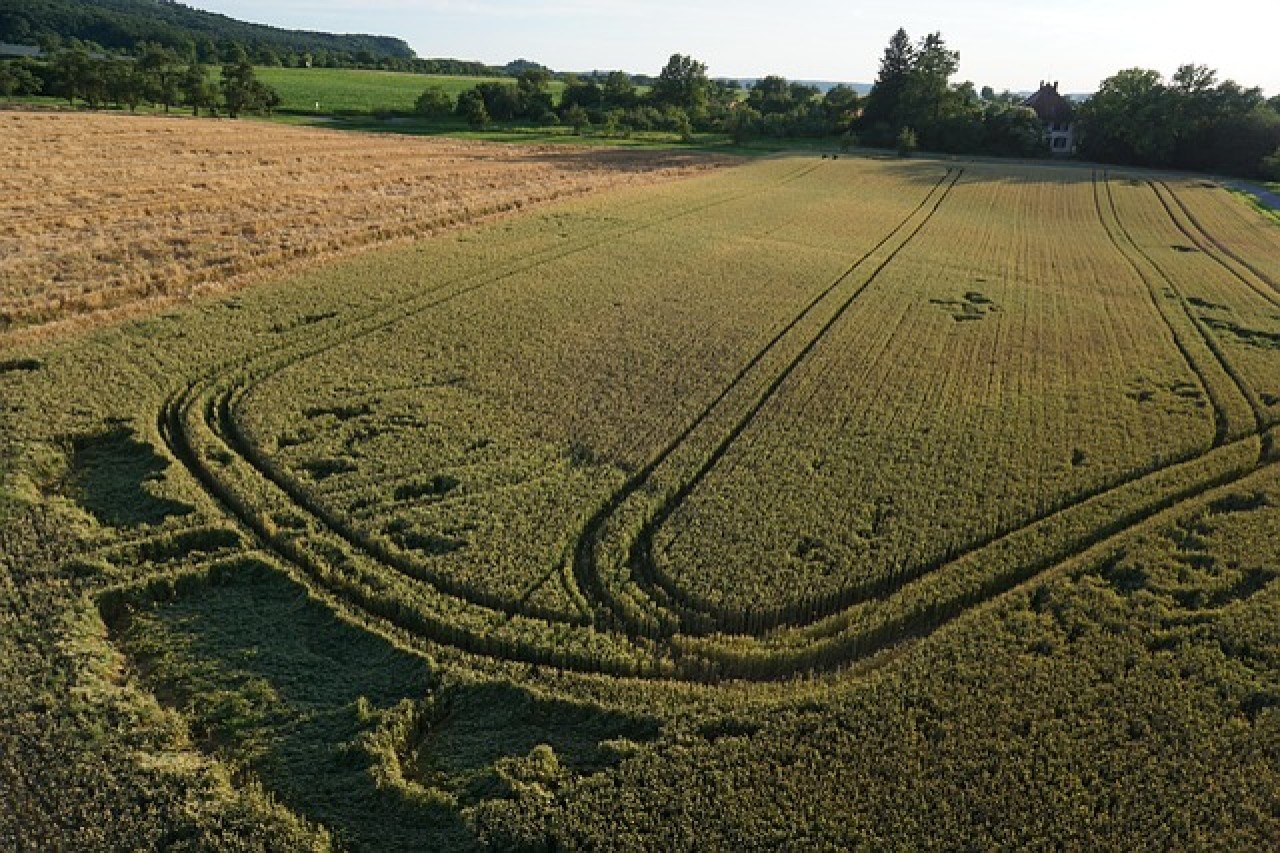
In early February 2025, the Federal Council introduced a regulation that sparked considerable debate: hunting in forests is prohibited at night.
Between one hour after sunset and one hour before sunrise, hobby hunters are no longer permitted to fire shots there.
Particularly affected is wild boar hunting, as these animals are active almost exclusively after dark. This also eliminates one of the most important hunting methods — luring animals to so-called bait sites.
Farmers Fear Rising Damage
Agriculture has reacted with alarm. Wild boars can cause enormous damage in a short period of time: meadows are rooted up, maize and potato fields devastated. Wild boar damage varies considerably by region. The canton of Vaud has consistently recorded the highest damage figures for years.
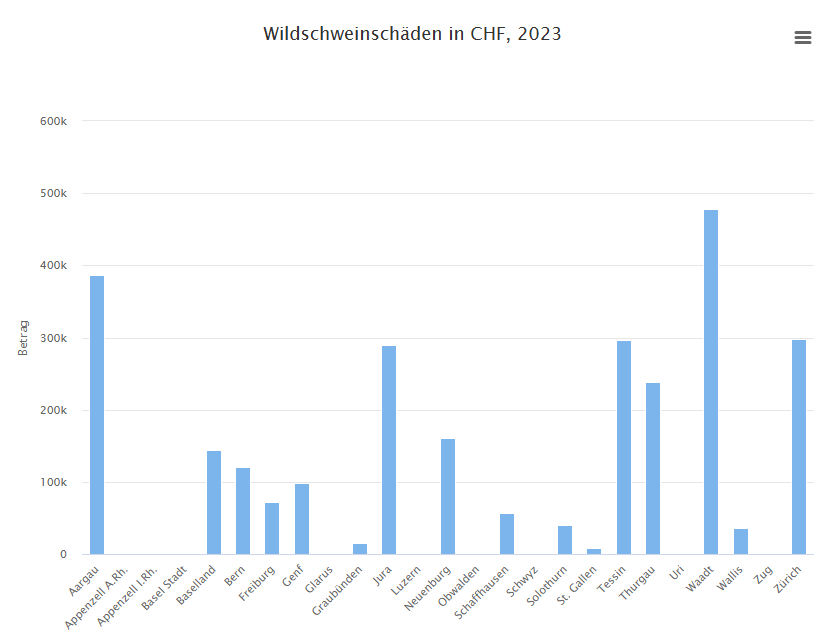
Without the ability to selectively hunt wild boars at night, farmers’ associations warn that this damage threatens to increase massively.
Compensation for wildlife damage in agriculture is handled differently across Swiss cantons. It is important that farmers report damage promptly and comply with the relevant procedures in order to receive compensation. In addition, advisory services can help to assess damage correctly and implement appropriate protective measures.
Farmers can also make use of advisory services to estimate the extent of wildlife damage and draw up corresponding contracts regarding land use. The company Agriexpert offers such services, based on current guidelines for the assessment of crop damage.
Differences Between Cantons
Not all cantons proceed with equal strictness. While Zurich banned driven hunting at bait sites entirely, Solothurn, Aargau and Basel-Landschaft pushed for exceptions or transitional periods to protect their fields. In the Alpine cantons, on the other hand, the issue plays hardly any role, as wild boar are still rare there.
In Thurgau, an area with comparatively large numbers of wild boar, officials expect shooting figures to remain virtually unchanged despite the ban. Office director Roman Kistler emphasizes:
- Many wild boar are hunted on fields, where the hunting ban does not apply — for example through stalking or driven hunts
- By focusing on such alternative methods, the nocturnal culls in the forest could be compensated
Hunting president Frank Gertsch added that experienced recreational hunters can adapt to this and that the ban barely affects him personally, as his hunting already takes place increasingly outside the forest.
These differences illustrate how strongly the implementation of a federal law in Switzerland is shaped by federalism.
Animal welfare advocates see advantages
Nature conservation associations, by contrast, welcome the regulation. They emphasize that nocturnal rest is vital for many animals — not only for wild boar, but also for deer, foxes and nocturnal birds.
There are also warnings about the growing technologization of hunting: night-vision devices and thermal imaging cameras already place considerable pressure on animals.
The new night hunting ban highlights a fundamental conflict: how can the protection of nature and the interests of agriculture and hunting be reconciled?
The Federal Office for the Environment does permit cantonal exceptions, but what these will look like in practice remains to be seen. One thing is clear: 2025 will show whether the law delivers on its promise — or whether criticism from farmers and hobby hunters once again forces politicians to act.
Experience to date shows that the night hunting ban is perceived and implemented very differently from region to region.
In areas where wild boar are hunted primarily at night in the forest (e.g. Schaffhausen), noticeable restrictions are to be expected. In other regions (e.g. Thurgau), where hunting is increasingly shifted to fields, the effect remains rather marginal. Thanks to time-limited action plans and possible exceptions, hunting associations in some cantons retain room for maneuver.