
Drive Hunt Accident: Drunk Recreational Hunter Shoots
Shot struck a woodcock and a hunting colleague standing only 40 metres away.

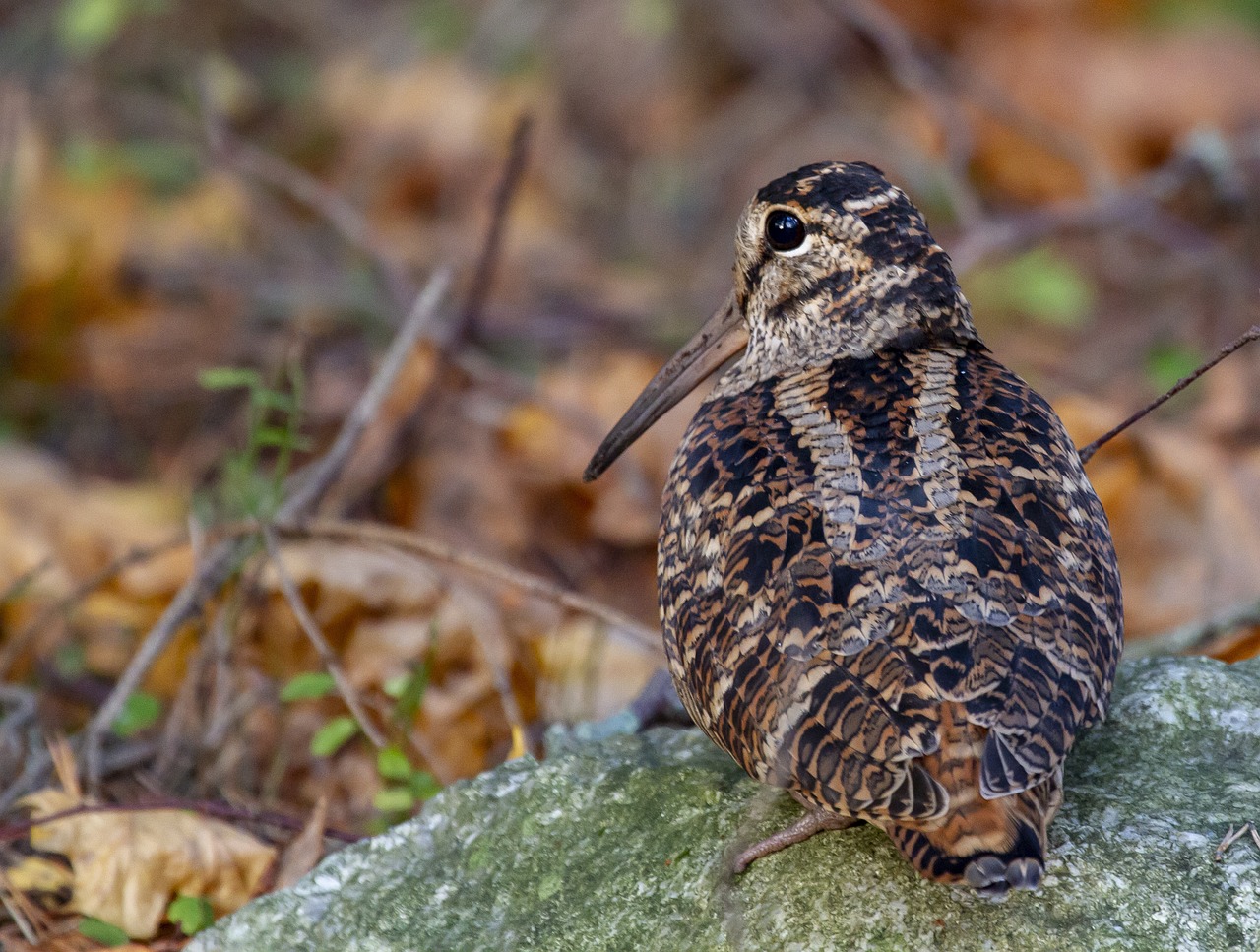
24-Year-Old Struck by Drunk Shooter
On Sunday afternoon, a 24-year-old was struck and injured by a drunk individual during a drive hunt in St. Johann im Saggautal in the Styrian district of Leibnitz, Austria.
Both had been flushing animals out of a wooded area in Untergreith along with around 20 other recreational hunters.
Positive Alcohol Test for the Shooter
Following the incident, investigations were immediately launched to clarify the exact circumstances of the shooting. The police questioned both the injured recreational hunter and the shooter in order to reconstruct the sequence of events.
It emerged that the affected recreational hunter fortunately did not suffer any serious injuries. The pellets from the shotgun had struck him in the face and chest area, but the treating physicians gave the all-clear regarding life-threatening consequences.
The shooter, however, who tested positive for alcohol, suffered a shock and also required medical attention. The incident once again highlighted the dangers of alcohol consumption during recreational hunting and sparked debate about safety regulations and the responsible handling of firearms.
Recreational Hunting Endangers Safety
Recreational hunting is a thoroughly cruel activity that is practised neither with caution nor respect, and repeatedly endangers the safety of all those involved.
From the perspective of IG Wild beim Wild, the threshold for handling firearms under the influence of alcohol among hobby hunters consistently be at 0.0 per mille blood alcohol. The same applies to wildlife wardens as well as military and police service, and for good reason. No one is permitted to handle or fire a weapon while under the influence of alcohol.
Recreational hunting serves the purpose of killing animals. Anyone carrying a weapon in this context bears a particular responsibility towards humans and animals alike. Alcohol or drugs are incompatible with this. Persons with alcohol or drug dependency must immediately lose their hunting and firearms license.
Following hunting accidents, mandatory alcohol tests must be introduced without exception. In addition, following the example of the Netherlands, regular medical-psychological assessments for recreational hunters as well as a binding upper age limit are required.
The largest age group among recreational hunters is 65+. It is precisely in this group that age-related impairments in vision, concentration, and reaction capacity increasingly occur, along with deficits in training and practice. At the same time, it is known that alcohol is consumed in order to achieve a supposedly steady hand. Others abstain from alcohol, yet are nonetheless no longer able to meet the physical demands.
The numerous missed shots, tracking efforts, and the associated massive animal suffering can hardly be explained otherwise.
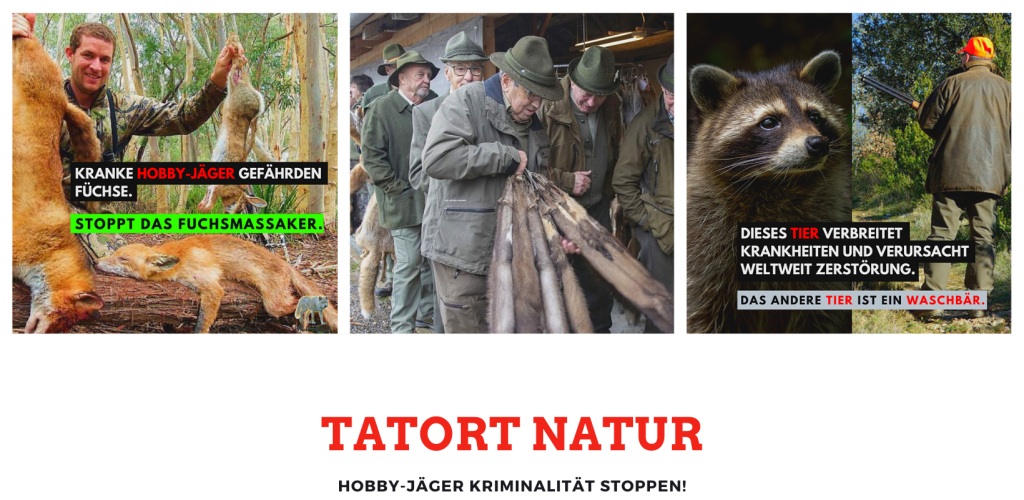
More on the subject of recreational hunting: In the dossier Poaching and hunting crime in Switzerland we document cases, legal questions and recurring patterns. What the research says about this is shown by Hunting fact-checked: the state of research.
The position of IG Wild beim Wild: IG Wild beim Wild rejects recreational hunting. Our model is the canton of Geneva, which has managed without recreational hunting since 1974: without hunting seasons, without hunting dogs, without driven hunts, without high seats, without the animal cruelty and crime that go hand in hand with hunting season elsewhere. What has worked there for over fifty years disproves every position paper by JagdSchweiz. An association that bases its policy on claims it refutes in its own documents is not a professional organisation, but a factory for misinformation.





