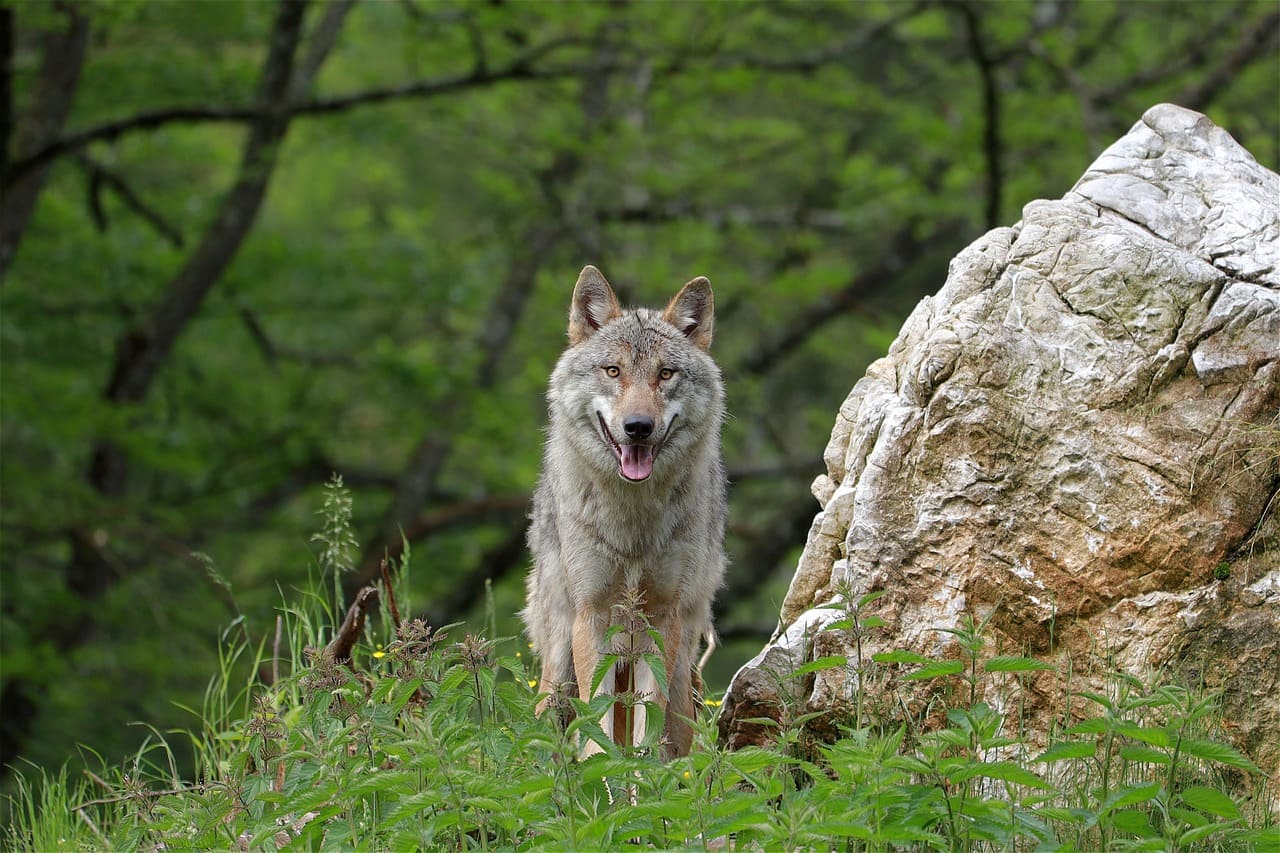
Germany Hunts Golden Jackal
They are rarely seen, yet they have been present in Germany for years: golden jackals. They have attacked sheep on multiple occasions – on Sylt, this now amounts to a death sentence for one of these fox-like animals.

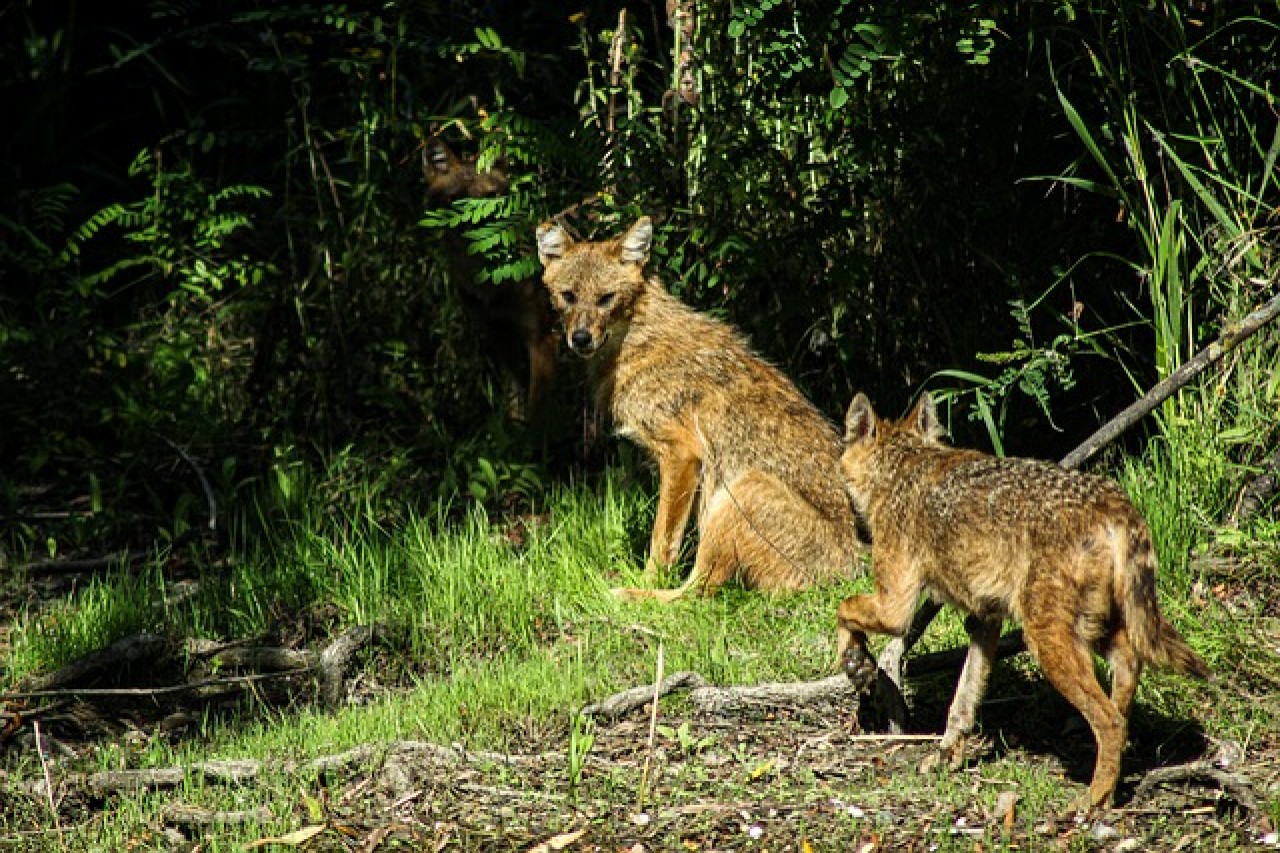
Largely unnoticed, golden jackals have been spreading ever further across Germany – now one of these protected animals is to be killed for the first time.
The jackal is said to have killed numerous lambs on Sylt. The State Office for the Environment in Schleswig-Holstein subsequently granted an exemption permit under species protection law. It would be the first confirmed shooting of a golden jackal in Germany.
«In this case, there are no fewer than three weighty reasons, which is why I support an exemption granted by the State Office for the Environment,» Environment Minister Tobias Goldschmidt (Greens) had stated. The aim, he said, was to prevent further damage to livestock. The animal also poses a threat to ground-nesting birds. «Moreover, dyke shepherding is of particular importance for coastal protection.»
The animal rights organisation PETA has written to the State Environment Office demanding that the animal be relocated to the mainland.
Hardly anyone ever gets to see one
Golden jackals are subject to special protection under the Federal Species Protection Ordinance and are not among the species that may be hunted regularly in Germany. The animals are very shy, avoid contact with humans and are rarely seen. They pose no danger to humans, but they do pose a threat to smaller livestock such as sheep. The attacks on Sylt had been discovered since 19 May. That a golden jackal, and not a stray dog, was responsible was confirmed genetically through samples.
A golden jackal weighs around ten kilograms. It is larger than a fox, smaller than a wolf, and typically hunts at night in family groups. huntCanis aureus is the only jackal species found in Europe. The black-backed jackal (Canis mesomelas) inhabits the African savanna, while the side-striped jackal (Canis adustus) lives in sub-Saharan Africa. Golden jackals, by contrast, are particularly prevalent in the Middle East, India and other regions of Asia.
The wolf’s smaller cousin is spreading
In Europe, golden jackals originally settled mainly in the southeastern Balkans. But for decades, the little brother of the wolf has been making its way into ever new territories, largely unnoticed by the public. According to the Large Carnivore Initiative for Europe (LCIE), the species is spreading across Central, Western, and Northern Europe. The first confirmed sightings in this country occurred in 1997 in southern Brandenburg; the species is now widespread.
While the wolf was once native to Germany and other Central European countries before its extermination, the closely related golden jackal is venturing into these regions for the first time. According to LCIE projections, approximately 150’000 golden jackals now live in Europe. For comparison: the wolf population in this region is estimated at 23’000 animals.
Highly flexible generalist
The animals with yellow-grey fur and a fox-like bushy tail eat virtually everything — from small mammals, amphibians, and fish to insects, carrion, and plant-based food such as apples and fruit. They are generalists that can adapt well to various habitats and cultivated landscapes. However, based on current knowledge, they are reluctant to settle in wolf territories: the big brother poses a deadly threat.