

Demand for ivory in China continues to decline.
Purchase intent more than halved
Yet a small group still wants to hold on to the “white gold.”This is the result of a consumer survey conducted by the conservation organisation WWF in collaboration with the research organisation GlobeScan. According to the survey, only 19 percent of respondents intend to purchase ivory in the future. After being reminded of the nationwide ban on ivory trade, that figure drops to just 8 percent. This means the numbers have more than halved since the ivory ban was enacted in 2017, when 43 and 18 percent respectively stated they intended to purchase elephant tusks or products made from them.
African elephants severely endangered
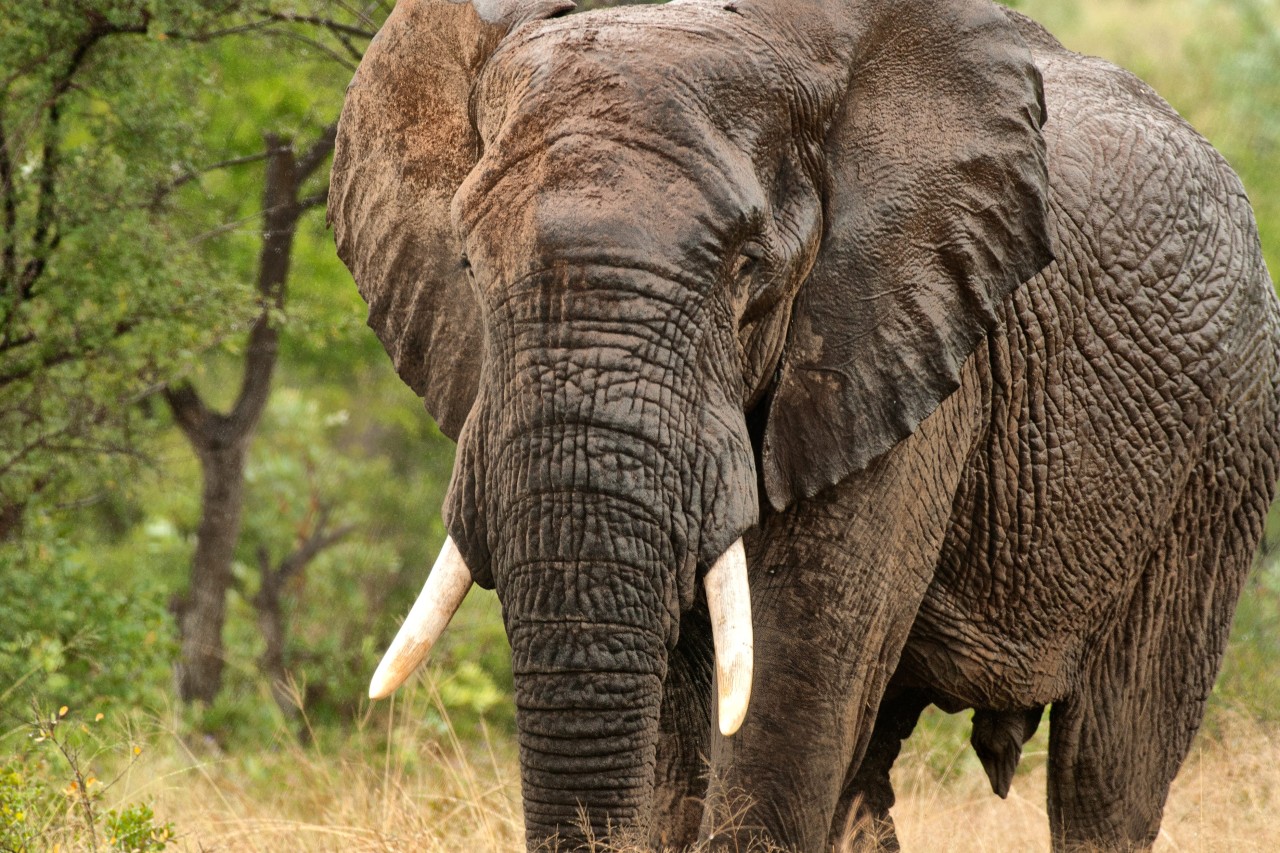
The WWF describes the new survey results as an encouraging development. As recently as March 2021, the International Union for Conservation of Nature (IUCN) upgraded both African elephant species on the International Red List. The African forest elephant is now classified as “critically endangered.” The African savanna elephant is considered “endangered.” The main reason for the decline in elephant populations is the illegal trade in elephant ivory, alongside the loss of habitat and the increase in conflicts between humans and elephants.
The fate of elephants is determined by ivory. Demand from Chinese ivory buyers is one of the main drivers of the dynamics of the global ivory trade, which has threatened elephant populations in Africa since 2010. The illegal ivory trade benefits from corruption and weak law enforcement in the source, transit, and destination countries of this international crime, particularly in Southeast Asia. The ivory ban enacted in China in 2017 is therefore a decisive step towards bringing demand to a halt.
Dr. Arnulf Köhncke, Head of Species Conservation at WWF Germany
Poaching significantly declined
Illegal elephant hunting in Africa has declined significantly in recent years. According to a report from the international wildlife conservation conference CITES, the number of animals killed has more than halved since 2011.
In 2018, poachers killed 15,000 elephants, compared to 40,000 animals eight years earlier.
More on the subject of recreational hunting: In the dossier Poaching and hunting crime in Switzerland we document cases, legal questions and recurring patterns. What the research says about this is shown by Hunting fact-checked: the state of research.
The position of IG Wild beim Wild: IG Wild beim Wild rejects recreational hunting. Our model is the canton of Geneva, which has managed without recreational hunting since 1974: without hunting seasons, without hunting dogs, without driven hunts, without high seats, without the animal cruelty and crime that go hand in hand with hunting season elsewhere. What has worked there for over fifty years disproves every position paper by JagdSchweiz. An association that bases its policy on claims it refutes in its own documents is not a professional organisation, but a factory for misinformation.





