Healthy Eating Day
7 March is the Day of Healthy Nutrition. To mark it, IG Wild beim Wild has launched an appeal to bring people back to healing. A meat-free diet is quite simply the most natural one. Sun, air, soil and water combine to produce the fruits of the earth: vegetables, fruit, pulses, nuts and seeds.

7 March is the Day of Healthy Nutrition. To mark it, IG Wild beim Wild has launched an appeal to bring people back to healing.
A meat-free diet is quite simply the most natural one.
Nutritional value straight from the source
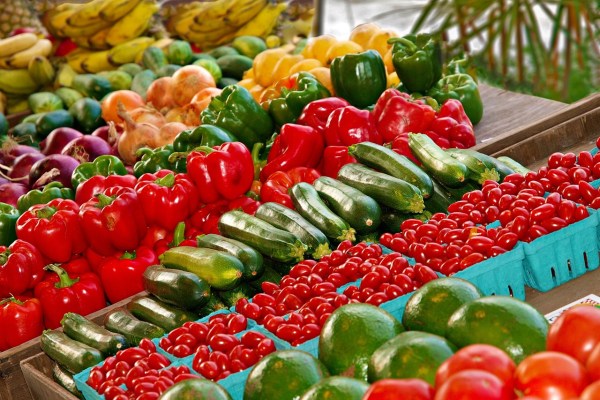
Sun, air, soil and water combine to produce the fruits of the earth: vegetables, fruit, pulses, nuts and seeds. The nutritional value of this food comes directly from the source. By contrast, we obtain the nutritional value from meat, fish or poultry «second-hand» – by consuming the flesh of living beings which, for their part, have built up natural energy converted from various plants.
Meat (and game meat in particular) always contains a high proportion of toxins and makes people extremely susceptible to disease. The incidence of a wide variety of cancers, for example, rises significantly in countries with aberrant, unchecked meat consumption. That meat consumption increases the risk of dying from breast cancer more than anything else has been proven. Breast cancer, the most common cancer in women, prostate cancer in men and bowel cancer have by now become a veritable epidemic, with health costs exploding for society as a whole.
In addition to their meat dishes, people often also consume alcoholic drinks, believing that these aid digestion. Bread is usually eaten alongside as well, which likewise forms alcohol in the digestive tract. All of this means that the meat can be pre-digested even less effectively in the stomach, which further intensifies the putrefaction process in the small and large intestine. In this process the meat breaks down into the nitrogenous meat bases xanthine, creatine and sarkine, which form various decomposition toxins. Xanthine is chemically related to caffeine and nicotine, which explains the addictive symptoms seen in meat eaters. Similar reactions also occur with the consumption of cheese and milk. The so-called casomorphins dock onto the opium receptors in the brain, which leads to an addiction-like craving for these products.
Today, on a grand scale and quite mistakenly, carcasses are turned into “foodstuffs” that make people ill. At the same time, poisons are used in the most repugnant animal experiments in order subsequently to combat these illnesses in humans with measured doses of synthetic chemical toxins.
When we eat something, we naturally absorb the properties of that food. Whatever we have inside us will inevitably manifest itself outwardly in some way. The immediate result of eating meat is restlessness, fatigue, digestive problems, aggressive, destructive impulses and thoughts, and a lowering of consciousness. You are what you eat!
Health is wealth
Dietary mistakes can be made with any form of nutrition! For the renewal, maintenance and building of a healthy organism, the human body requires the following 5 basic substances: protein, carbohydrates, fats, minerals and vitamins.
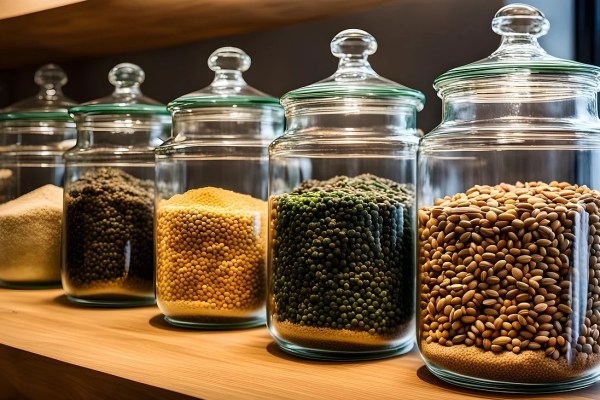
In a meat-free diet these basic substances are found in more abundant measure than in meat. The protein content of nuts, peas and beans, for example, is higher. High levels of carbohydrates are contained in wheat, oats, rice and other cereal crops and potatoes, for instance. Fats can be obtained from almost all protein-rich foods. And everyone knows where the good vitamins and minerals are to be found.
Prevention is better than cure. Food should be taken as if it were medicine, in as natural a state as possible (organic).
Please note that with a proper meat-free diet, a third of the plate each day should consist of various lentils, beans or peas (pulses), alternating with the other components.
IG Wild beim Wild wishes all living beings an enjoyable, violence-free and healthy meal. More on this topic Wildlife and Environment and nature conservation.
Do you have a tip, a source or a correction for this article? Write to us.
More on the subject of recreational hunting: The scientific evidence is presented in the overview Studies on the Effects of Recreational Hunting.
The position of IG Wild beim Wild: IG Wild beim Wild rejects recreational hunting. Our model is the canton of Geneva, which has managed without recreational hunting since 1974: without hunting seasons, without hunting dogs, without driven hunts, without high seats, without the animal cruelty and crime that go hand in hand with hunting season elsewhere. What has worked there for over fifty years disproves every position paper by JagdSchweiz. An association that bases its policy on claims it refutes in its own documents is not a professional organisation, but a factory for misinformation.
Wild animals need a voice
Investigations, petitions and background on recreational hunting. As a thank-you, you will immediately receive our free guide «Recreational hunting on your doorstep: what you can do».
Support our work
With your donation you help protect animals and give their voice a hearing.
Donate now →