Canton of Valais unable to tackle poachers
Poaching appears to be the reason for the surprisingly low number of lynxes in Valais. 17 illegal lynx traps discovered An international research team led by the University of Bern has uncovered evidence of a network of illegal lynx traps. The network of 17 snare traps was found in the mountains at the Rhône bend, in the lynx's immigration corridor. «Some of the traps were

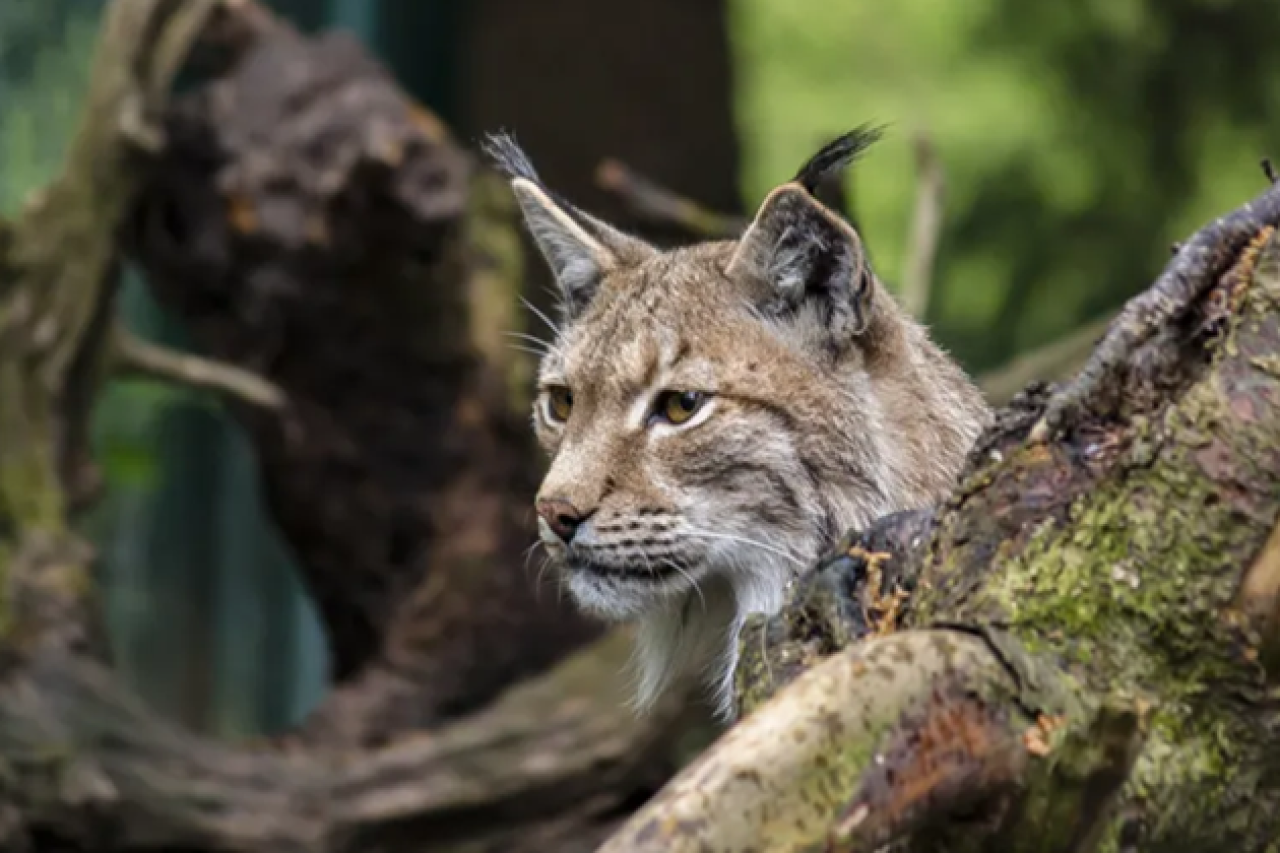
Poaching appears to be the reason for the surprisingly low number of lynxes in Valais.
17 illegal lynx traps discovered
An international research team led by the University of Bern has uncovered evidence: a network of illegal lynx traps.
The network of 17 snare traps was found in the mountains at the Rhône bend, in the lynx's immigration corridor. «Some of the traps were inactive at the time of their discovery in 2015, while others were ready for use», Raphaël Arlettaz of the University of Bern was quoted as saying.
Poaching the only plausible hypothesis
In the pre-Alpine region, the lynx population has been developing well since its reintroduction around forty years ago. By comparison, the population in the Rhône valley is around eighty percent lower.
Lynx mystery in Valais
In their study, the researchers document a case of lynx poaching for which there was a first indication in 1995. At that time, a photo appeared in the media showing a recreational hunter kneeling behind two dead lynxes with a rifle. The court acquitted him.
In 2005, a hiker stepped into a lynx trap. The trap was dismantled, but just a few months later the hiker found it reinstalled. Without consequences.
DNA identified the perpetrator
It was not until 2015 that Arlettaz and his team discovered the network of 17 snare trap systems. Because DNA traces of the wildlife killer were found in them, the court convicted the confessed perpetrator six months later.
«Our reconstruction clearly shows that this poaching could have been stopped much earlier», said Arlettaz. The researchers propose establishing a centralised police unit to prevent collusion and effectively combat illegal recreational hunting.
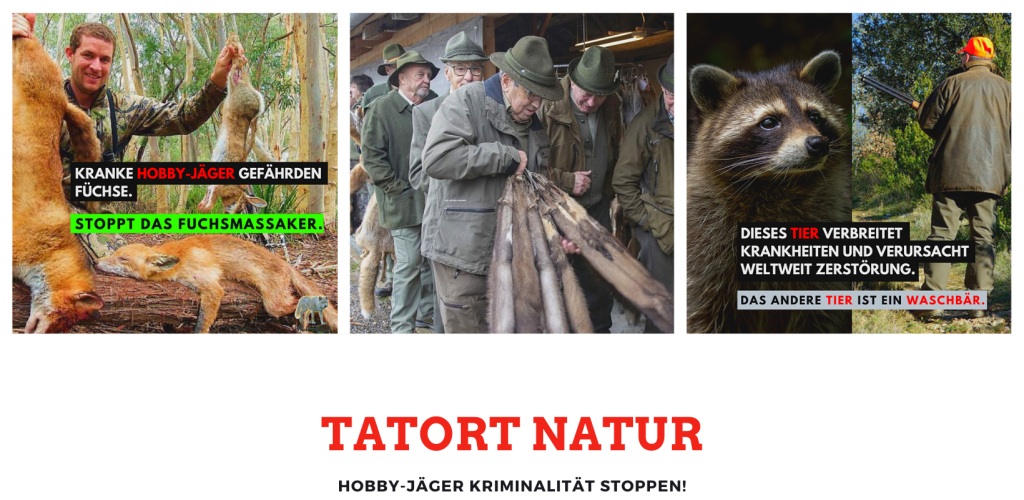
More on the subject of recreational hunting: The scientific evidence is presented in the overview Studies on the Effects of Recreational Hunting.
The position of IG Wild beim Wild: IG Wild beim Wild rejects recreational hunting. Our model is the canton of Geneva, which has managed without recreational hunting since 1974: without hunting seasons, without hunting dogs, without driven hunts, without high seats, without the animal cruelty and crime that go hand in hand with hunting season elsewhere. What has worked there for over fifty years disproves every position paper by JagdSchweiz. An association that bases its policy on claims it refutes in its own documents is not a professional organisation, but a factory for misinformation.