Lead in Hobby Hunting: Poison, Lobbying, and Switzerland
Lead is not a nostalgic material — it is a neurotoxin. Yet it remains remarkably 'normal' in hobby hunting across Europe and North America. The pattern is the same everywhere: the risks to the environment and public health have been documented for years, alternatives exist, but regulation is dismantled into phases, exemptions, and transitional periods. In the end, the poison remains in circulation — in the soil, in carcass remains, in bodies of water, and sometimes in game meat as well.

Anyone who wants to understand why this is the case does not need to study ballistics.
They need to read political mechanics.
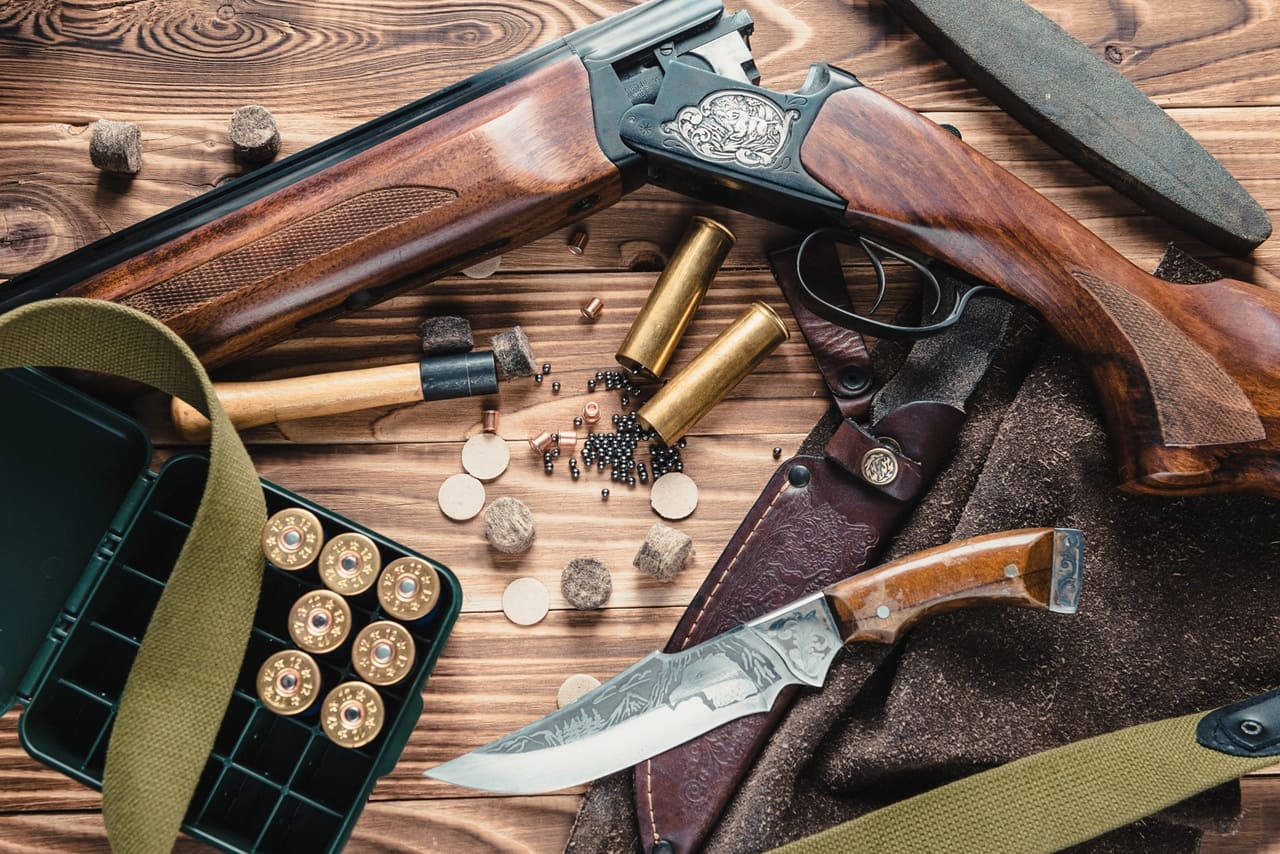
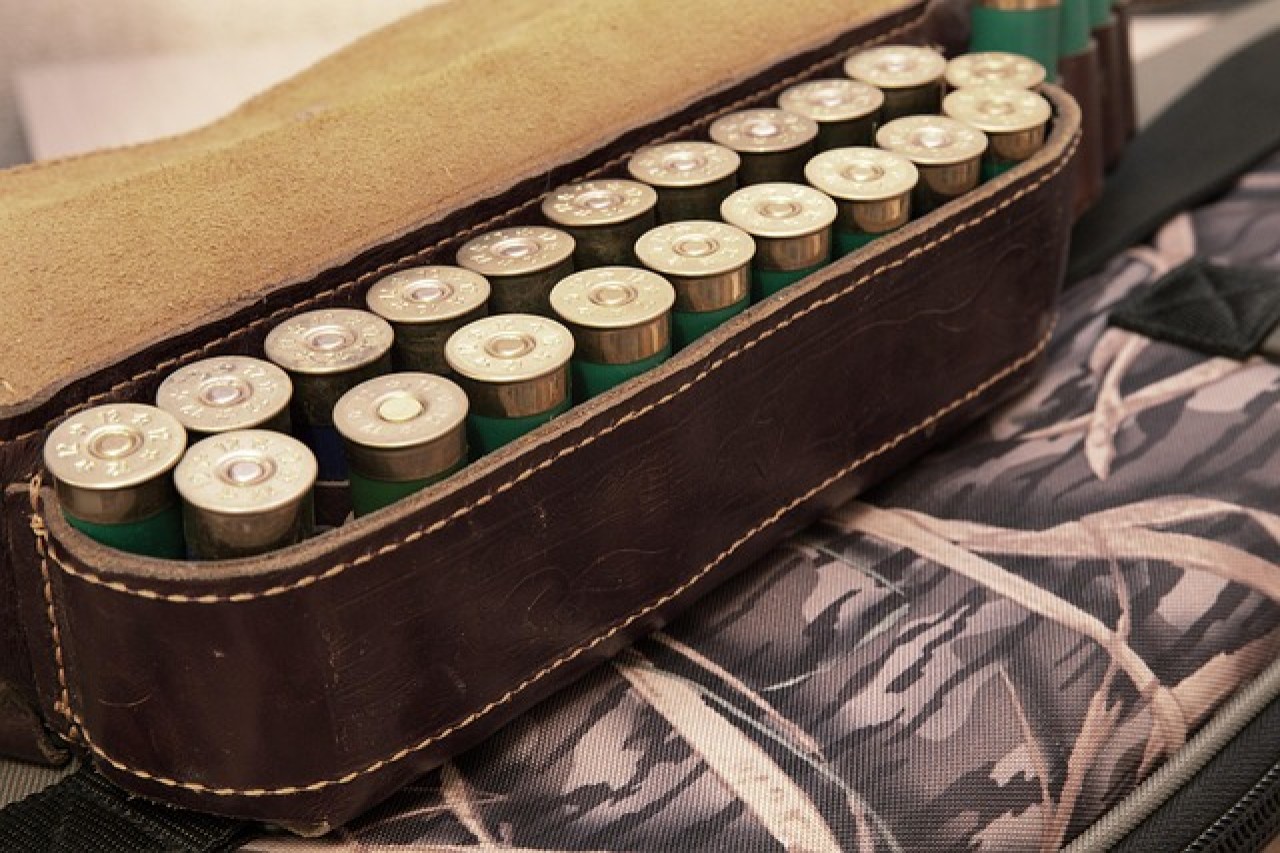
Lead-based hunting ammunition distributes metal across the landscape. With rifle bullets, fragmentation and abrasion add to the contamination. With shot, pellets remain in wetlands, riverbanks, and meadows, are ingested by waterfowl, or enter the food chain via carcasses and offal. This is precisely where hobby hunting becomes an environmental problem — not merely a question of animal welfare.
And it becomes a public health issue. In Switzerland, the Federal Food Safety and Veterinary Office (FSVO) recommends consuming only small quantities of game killed with lead ammunition. The recommendation is particularly explicit for children up to the age of seven, pregnant women, breastfeeding women, and women wishing to become pregnant: they should avoid eating game wherever possible, as it cannot be ruled out that it was killed with lead ammunition.
This is a remarkable statement in an official federal recommendation. In plain terms, it means: uncertainty is built into the shopping and the dinner plate.
EU: A Patchwork of Exemptions Instead of a Clean Break
In the EU, lead ammunition has been a regulatory issue under chemical legislation for years. The debate has long since moved beyond whether lead is toxic, to how many special exemptions policy allows and how long the transition periods last. This is precisely where the delay strategy lies: the problem is shifted from the question 'Why is a poison still permitted for use?' to the question 'How do we define the exception?'.
The European Chemicals Agency (ECHA) has repeatedly highlighted the scale of lead inputs and the potential for a broad restriction. The conflict is so protracted because exceptions appear politically cheap but are ecologically costly: every exception keeps sales markets open, prevents a clean transition, extends existing stockpiles, and creates new loopholes.
The result is a political fog: one is 'working on it', but never finished.
UK: When voluntary measures fail, the state steps in — then the next delaying tactic begins
The United Kingdom is the textbook case of why self-regulation in recreational hunting so often functions like a sedative. When voluntary transitions proved insufficient, the British government announced state restrictions on lead ammunition in 2025, with clear thresholds and transition periods.
Since then, the familiar counter-campaign has been underway: availability, costs, 'not yet ready'. These are not merely practical objections — they serve a political purpose: to buy time. Time means the poison continues to be fired while logistics are debated.
USA: Lead becomes a culture war issue, not a public health matter
In the United States, lead ammunition becomes an identity issue with particular clarity. A Cornell-led analysis, published on 10 December 2025, describes why the transition remains politically blocked despite known risks: distrust of authorities, ideological polarisation, federal jurisdictional complexities — but also straightforward factors such as price, availability, and habit.
This is the American variant of delay: driven not primarily by exemption language, but by culture. Those who criticise lead are not attacking 'ammunition' — they are attacking a way of life. The outcome is the same: the poison remains in the system.
Switzerland: A belated transition, cantonal phase-outs, and a federal office that warns about game meat
In Switzerland, the situation is doubly interesting because it reveals two levels that can contradict one another.
First: Health precautions. The FSVO explicitly warns against consuming wild game meat, particularly for vulnerable groups. This constitutes a clear public health recommendation.
Second: Regulation in stages. With the revision of the hunting ordinance in connection with the revised hunting legislation, which enters into force on 1 February 2025, a ban on lead-containing bullet ammunition from calibre 6 mm upwards was incorporated into the normative text — but with an extended transitional logic. An official explanatory report issued by the federal government states: Lead-containing bullet ammunition for calibres of 6 mm and above will remain permitted until 31 December 2029, in order to allow cantons sufficient time to adapt their regulations.
What sounds like pragmatic implementation is politically highly significant: in practice, this may mean that Switzerland is formally steering towards lead-free ammunition, while factually maintaining a cantonal patchwork situation for years to come.
A further element fits this pattern: a motion calling for a ban on lead-containing ammunition was rejected in parliament. The official legislative documentation explicitly notes that one could 'provisionally' refrain from a general ban on lead-containing shot. Motion 22.3641, submitted by National Councillor Martina Munz under the title 'Ban on Lead-Containing Ammunition', was narrowly rejected by the National Council in the spring session of 2023 (99 votes to 94).
This is Switzerland's characteristic signature of delay: the problem is acknowledged selectively, while broad areas are left unresolved or deferred.
The 'Exception Machine': How Delay Works Without Defending the Poison
Anyone who places the debates in the EU, UK, USA and Switzerland side by side will recognise three recurring instruments:
- Transitional periods as political sedatives
The transition is declared a goal, but dated so far into the future that the present remains toxic. In Switzerland, the transitional logic until the end of 2029 is explicitly set out in the explanatory report. - Exceptions as a structural principle
Exceptions are not treated as marginal cases, but as the engine of the debate. Every exception generates new vested interests, new boundary disputes and new delays. - Shifting responsibility onto consumers
Rather than stopping the source, the recommendation is to eat less, or for certain groups to abstain entirely. This precise shift is embedded in the FSVO recommendation — which is understandable as a precautionary measure, but politically also reveals: the system remains so contaminated that the state is compelled to issue warnings about eating game meat.
A hobby hunt that wants to be 'sustainable' cannot have a poison as its standard
Recreational hunters like to sell themselves as a conservation tool and as a 'sustainable' source of meat. Both claims lose credibility as long as a neurotoxin remains part of standard practice and authorities at home and abroad issue consumption warnings.
For Switzerland, the key question is therefore not whether lead-free ammunition will come at some point. But rather: why has a situation been accepted for so long in which the state must warn consumers about game meat, while the transition is stretched out over years?
The debate is ripe for a clear position: no more exceptions machinery, no transitions until the end of time, no 'personal responsibility' trick when it comes to consumption. Instead, a swift, verifiable phase-out that protects the environment, wildlife and people equally.
Further reading:
- Game meat: Natural, healthy — or dangerous?
- Game meat from hobby hunters? — Carrion on the plate!
- Studies indicate health risks in connection with the consumption of game meat
- Diet: The civilised palate
- Game meat from hunters is carrion
- Game meat cannot be organic
- Meat from wild animals is not organic game
- Dementia: How harmful is venison?
- Game meat makes you ill
- Lead residues in game meat products
- Game meat: Risks, lead and hunting myths
- Caution: Warning about game meat from hobby hunters
- Hunters also lie when selling meat