Bird flu: new confirmed case in the canton of Zurich
On 12 November 2025, the bird flu virus was detected in a greylag goose in Männedorf in the canton of Zurich. This new case occurred outside the currently applicable observation zones and several days after the discovery of the first infected wild bird in the canton of Bern.

To prevent further spread of the virus, the Federal Food Safety and Veterinary Office (FSVO) has amended its ordinance of 6 November 2025 and established new observation zones in which protective measures are mandatory.
The amended ordinance applies until 31 March 2026. The FSVO calls on all poultry keepers to consistently implement the prescribed prevention and biosecurity measures.
Following the detection of the first bird flu case on 4 November in the canton of Bern, the virus was confirmed again on 12 November in a greylag goose in Männedorf in the canton of Zurich. To prevent the spread of the virus and avoid any contact between wild birds and domestic poultry, the FSVO's amended urgent ordinance has established additional observation zones along the shores of lakes and watercourses in the Mittelland. Strict protective and hygiene measures apply to poultry operations in these regions.
Protection of poultry operations in the observation zones
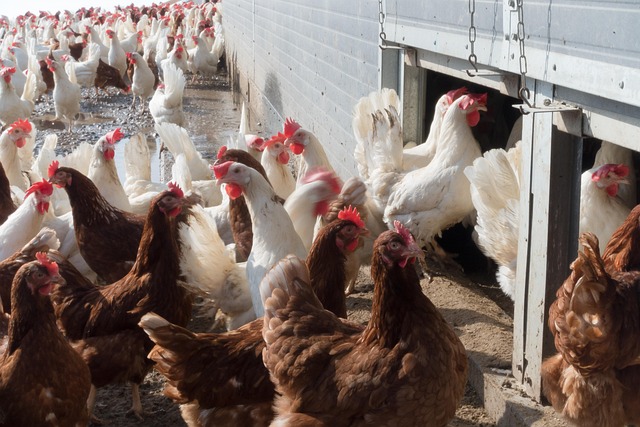
Poultry keepers in the observation zones are required to implement biosecurity measures. These aim to prevent any contact between domestic poultry and wild birds and to stop further spread of the virus. Poultry must be kept in such a way that any contact with wild birds is excluded, the different species (chickens, ducks, geese, ratites) must be kept separately, and access restrictions and strict hygiene measures apply in the stable area.
Vigilance and biosecurity: poultry keepers are called upon to act
Poultry keepers are urged to observe their animals carefully. In cases of suspected symptoms, such as respiratory distress, swelling in the head area, a marked decline in egg production, thin or absent eggshells, apathy, or increased mortality, they must immediately inform a veterinarian. In waterfowl, signs of disease may be less visible, which makes vigilance especially important.
The new case does not change the overall risk assessment. Consistent adherence to biosecurity measures throughout Switzerland remains the most effective protection. Even outside the observation zones, all poultry keepers — including hobby keepers — must implement the recommended hygiene measures and register their animals with the cantonal veterinary authorities.
Dead wild birds: report them, but do not touch them
The public is asked not to touch dead or sick wild birds and to report such findings to wildlife wardens, the police, or the cantonal veterinary service.
Transmission of the avian influenza virus to humans is extremely rare and has so far only been observed in isolated cases following close, unprotected contact with infected birds. Poultry products such as chicken meat and eggs can continue to be consumed without concern.