Asia: Hundreds of Thousands of Snares Kill Wildlife
A tragedy largely unnoticed by the world is unfolding in the forests of Vietnam, Laos, Indonesia, Myanmar, and Thailand: more and more wildlife is dying in poachers' snares — from elephants to pangolins. The death toll is so high that scientists describe some protected areas as “empty forests.” They are made of metal, plastic, or rope


A tragedy largely unnoticed by the world is unfolding in the forests of Vietnam, Laos, Indonesia, Myanmar, and Thailand: more and more wildlife is dying in poachers' snares — from elephants to pangolins.
The death toll is so high that scientists describe some protected areas as “empty forests.”
Made of metal, plastic, or rope — snares are killing and maiming wildlife on a massive and indiscriminate scale in the forests of Southeast Asia. In a single protected mountain forest area in Cambodia, the Southern Cardamom National Park, rangers from the organisation Wildlife Alliance collected 109,217 traps over the past six years. According to the British Guardian, this emerges from a recent report by the US environmental organisation, which works to protect wildlife in Cambodia. “In some forests in Vietnam, no animals larger than squirrels remain”, writes Thomas Gray, scientific director of Wildlife Alliance. “When you consider how diverse these forests once were, it becomes clear what this loss means for the entire ecosystem and biodiversity.”

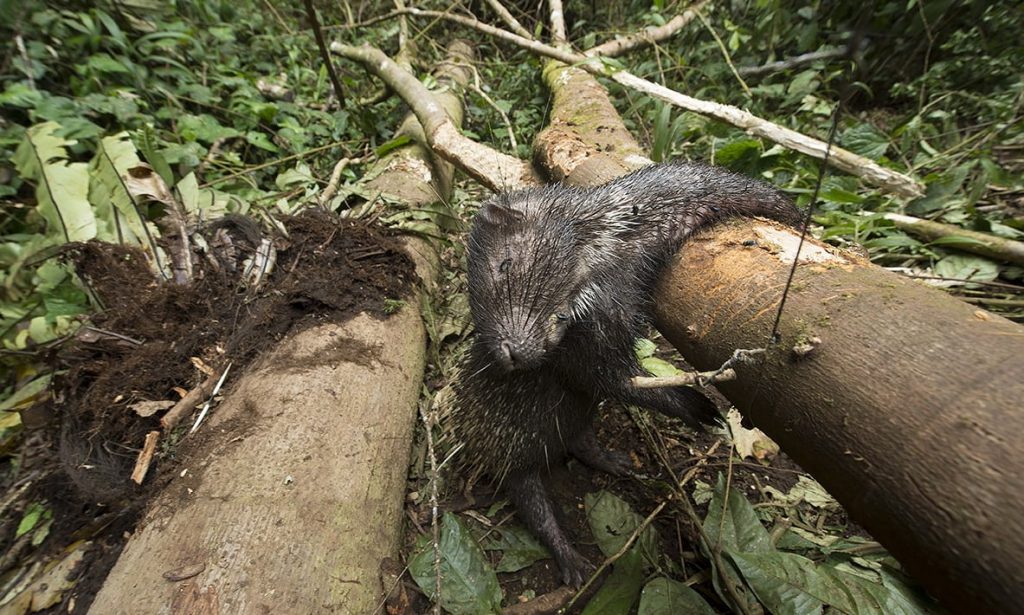


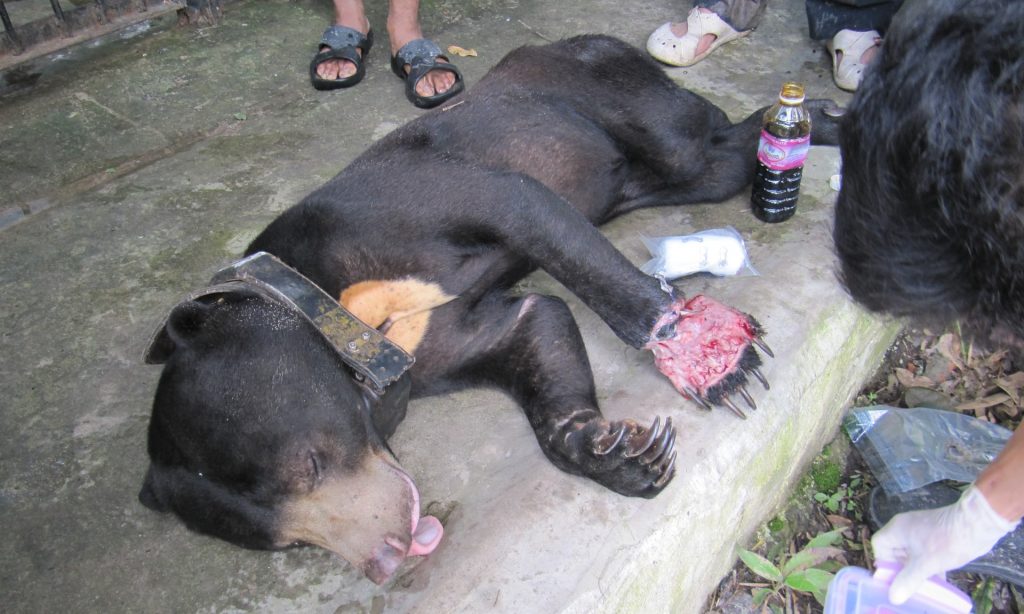


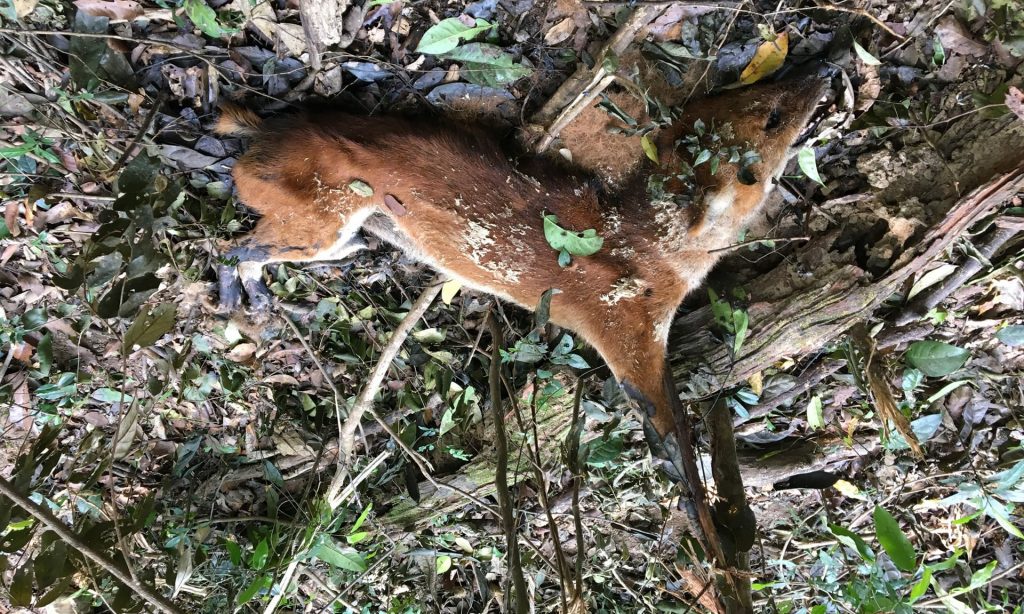
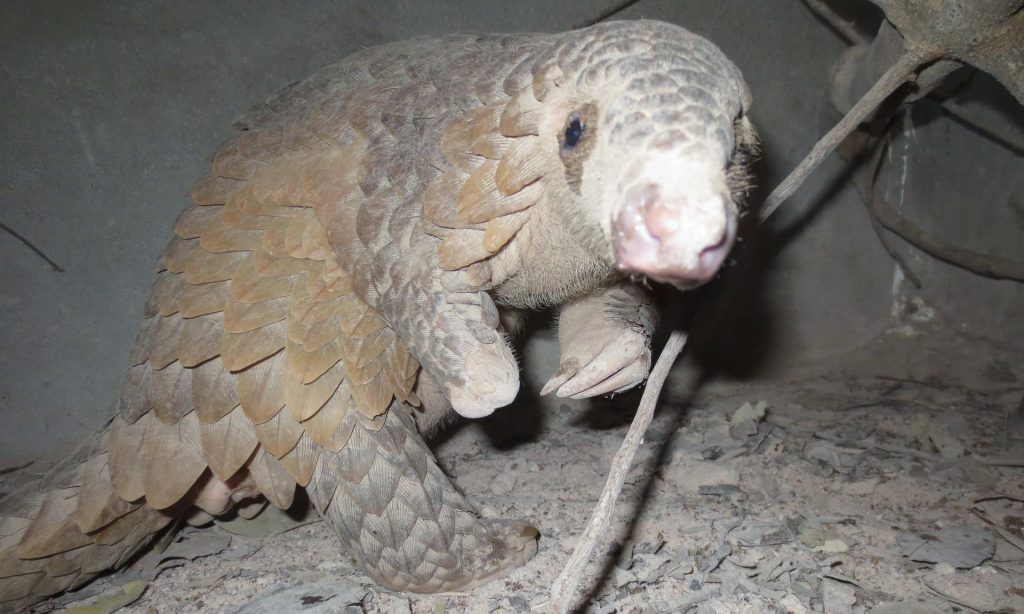
According to Gray, the problem is most severe in Vietnam and Laos, followed by Cambodia, Myanmar, Indonesia, and Thailand. In some regions, even within protected areas, the situation is so serious that researchers speak of “empty forests.” There, hunters have ensured that no medium-sized or large animals remain.
The poachers do not necessarily kill solely to feed their families, according to the report. The meat is sold primarily in urban markets to supply Asia's growing middle and upper classes.
Normally, according to Gray, hunters use these snare traps to catch game and wild boar. But in reality, they can take down any animal with them. A simple motorcycle brake cable can kill a tiger, a bear, and even a young elephant.
In Cardamom National Park, rangers are now trained to find the often well-hidden traps. But as important as the rangers' work is — stopping the extinction of species in Asia's forests and preserving the fauna requires stricter laws and government controls."And a change in awareness among people,"adds Thomas Gray:
If wildlife — not only mammals, but also birds and reptiles — is to survive in Southeast Asia, the trade in animal products for luxury meat and medicine must stop.
In the Leuser Ecosystem on the Indonesian island of Sumatra, the important work of the rangers supports and saves the rainforest — they not only collect traps but also crack down on poachers. In addition, our partners from the Leuser Conservation Forum work closely with authorities and decision-makers.
More on the subject of recreational hunting: In our dossiers on recreational hunting gather fact-checks, analyses and background reports. The scientific evidence is presented in the overview Studies on the Effects of Recreational Hunting.
The position of IG Wild beim Wild: IG Wild beim Wild rejects recreational hunting. Our model is the canton of Geneva, which has managed without recreational hunting since 1974: without hunting seasons, without hunting dogs, without driven hunts, without high seats, without the animal cruelty and crime that go hand in hand with hunting season elsewhere. What has worked there for over fifty years disproves every position paper by JagdSchweiz. An association that bases its policy on claims it refutes in its own documents is not a professional organisation, but a factory for misinformation.