National Park Pack: Appeal Against Extermination
The killing of the entire National Park wolf pack, ordered by the canton of Graubünden and possible from 1 November onwards, is utterly disproportionate. The legal latitude is being stretched well beyond its limits, without alternatives being examined or the need for research and the natural development within the National Park being taken into account. The nature conservation organisations are appealing to the federal government and the canton to fulfil their scientific, ethical and political responsibility in the area surrounding the National Park and to jointly seek proportionate solutions.

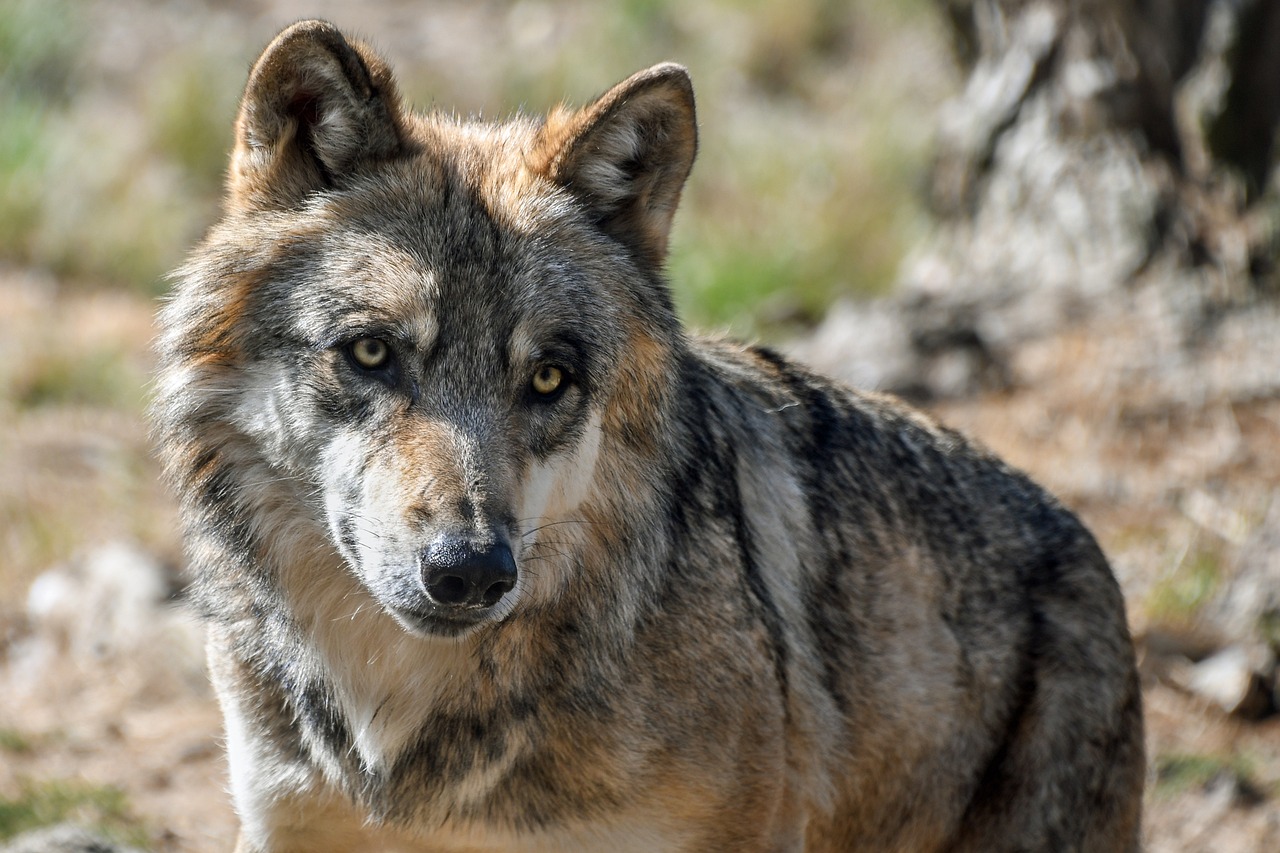
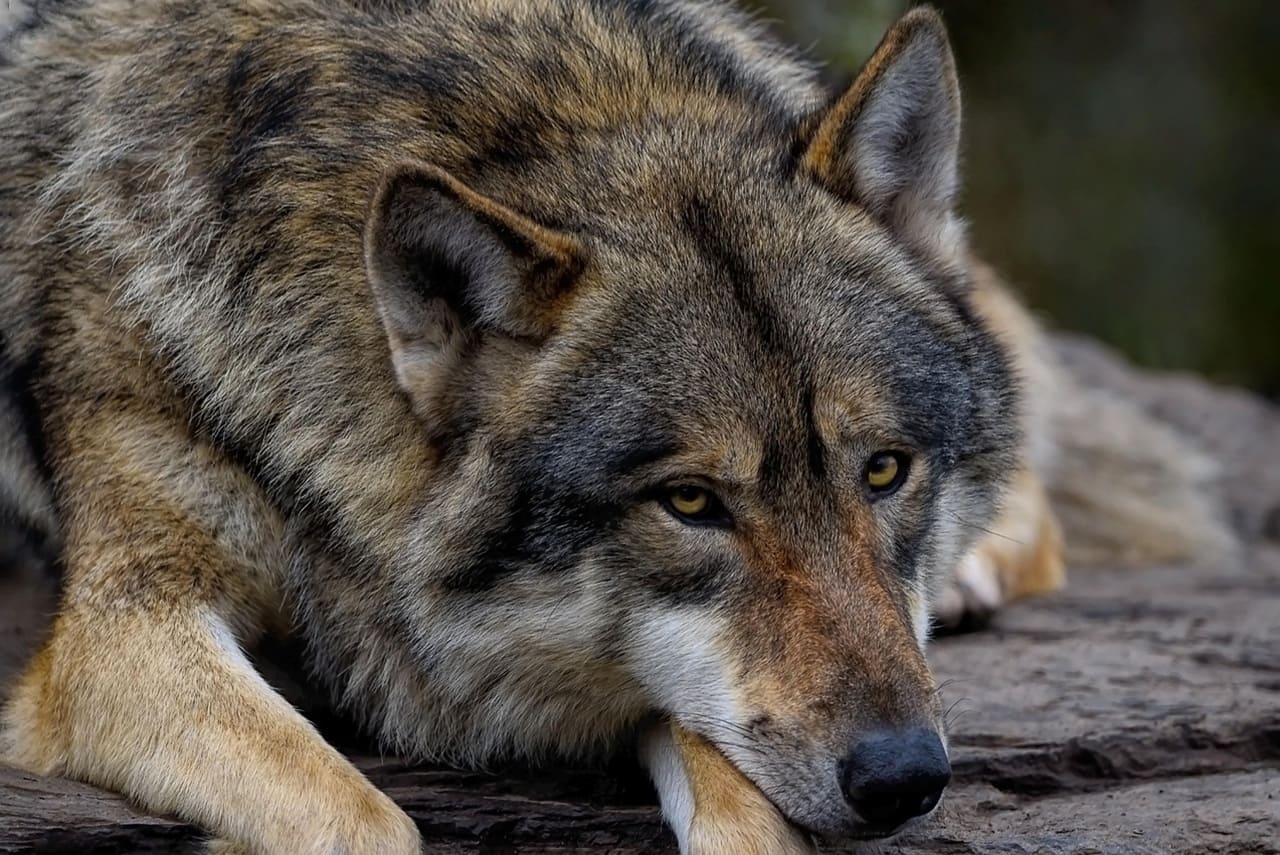
In 2023, a wolf pack established itself for the first time in the Swiss National Park (SNP). Since then, the pack has been part of a research project at the SNP, where the development of nature without human intervention has been studied for over 100 years. The wolf belongs to the native fauna of the National Park. Its return makes it possible to study the influence of predators on native nature and to gain insights for the future management of forests, wildlife and wolves.
Doing Justice to the National Park
In August, individual animals that had presumably dispersed from the National Park pack attacked two cattle outside the Park. Both animals were less than a year old, and it remains unclear to what extent the wolves responsible even (still) belong to the pack. Subsequently, the canton of Graubünden decided to exterminate the entire National Park pack as soon as the animals leave the Park's territory. This stretches the current legal latitude well beyond its limits: with no regard for the special status of the National Park, no weighing of interests, and no effort to find alternative solutions. The recreational hunters as population control fails here as well.
Proportionality Is Required
The canton's current approach raises the question of proportionality with regard to interventions in the wolf population. On one hand, from a technical perspective: what do culls actually achieve in terms of damage to livestock? Is the wolf's role in the forest ecosystem sufficiently taken into account? Are there alternatives — such as herd protection, deterrence, or, if necessary, targeted culling of only the wolves causing damage by wildlife wardens — that can be implemented quickly? On the other hand, from a legal perspective: conservation organizations are already having the question of legal proportionality examined by the courts through last year's appeals against the orders concerning the Stagias pack (Graubünden) as well as the Nanztal and Hauts-Forts packs (Valais). At issue, among other things, is the question of what conditions must be met in order to shoot entire packs. Because these fundamental questions are already being reviewed by the courts, the organizations are refraining from filing an appeal regarding the National Park pack.
Switzerland's only national park must be the place where solutions for coexistence between humans and nature are found with as little use of firearms as possible. The conservation organizations therefore appeal to the canton and the federal government to take a step back and, together with the National Park, the region, and the affected alpine farmers, find a measured solution that does justice to the National Park. The biodiversity in the National Park depends fundamentally on the interplay of all species.
Further information
The trend continues: fewer livestock kills again in 2024 (Pro Natura)
Statement by the Swiss National Park on the culling order for the Fuorn wolf pack
Participate: Demand from your municipality, on account of the disastrous policy of Federal Councillor Albert Rösti (SVP), a tax remission request for federal and cantonal taxes in light of the recently approved wolf culls in Switzerland. You can download the template letter here: https://wildbeimwild.com/ein-appell-fuer-eine-veraenderung-in-der-schweiz/

More on the subject of recreational hunting: The scientific evidence is presented in the overview Studies on the Effects of Recreational Hunting.
The position of IG Wild beim Wild: IG Wild beim Wild rejects recreational hunting. Our model is the canton of Geneva, which has managed without recreational hunting since 1974: without hunting seasons, without hunting dogs, without driven hunts, without high seats, without the animal cruelty and crime that go hand in hand with hunting season elsewhere. What has worked there for over fifty years disproves every position paper by JagdSchweiz. An association that bases its policy on claims it refutes in its own documents is not a professional organisation, but a factory for misinformation.