Trophy hunting imports to Germany rise by 30%
Animal and species protection advocates appeal to the federal government and call for import restrictions ahead of Europe's largest hunting trade fair in Dortmund. Support also comes from Africa.

Contrary to the government's assurances to reduce imports of hunting trophies, import transactions in Germany have increased by over 30% since 2021.
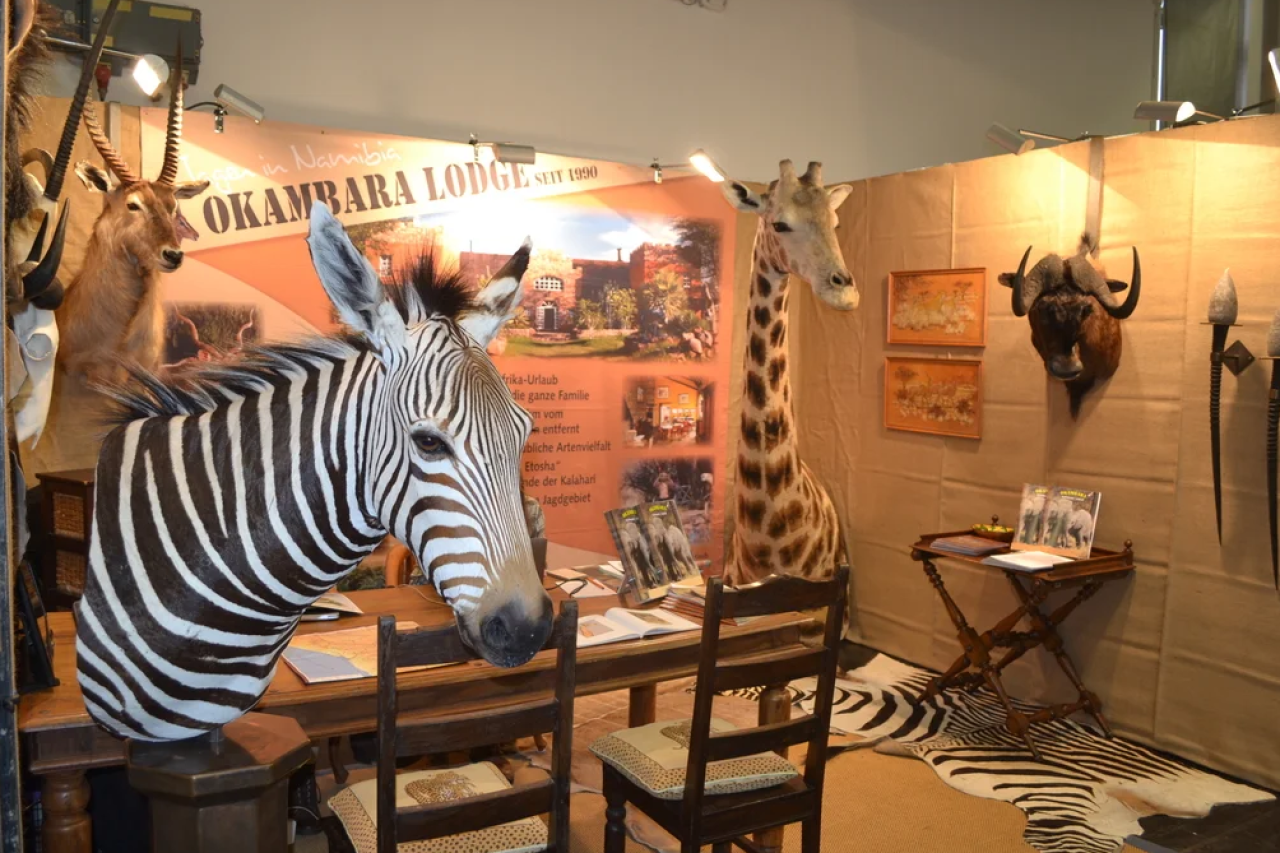
At Europe's largest hunting trade fair “Jagd & Hund” in Dortmund, running from 30 January to 4 February 2024, trophy hunting trips targeting protected wildlife species — including elephants, big cats, rhinoceroses, polar bears and many other iconic animal species — will once again be on offer. Resistance comes from African conservation experts and community leaders, who raise their voices against trophy hunting in a compelling video, as well as from 28 animal and species protection organisations that are once again urging Dortmund's mayor and city council in a letter to finally stop providing a marketing platform for this practice.
Although the Federal Ministry for the Environment (BMUV) has repeatedly stated its goal of reducing trophy imports, a worrying counter-trend has emerged: import transactions for trophies of protected animal species registered by the Federal Agency for Nature Conservation (BfN) rose from 435 (2021) to 538 (2022) to 569 (2023) — an increase of over 30% in two years. From 2021 to 2022, import transactions rose by 24%, and from 2022 to 2023 they increased by a further 6%.
This trend is absolutely unacceptable and underscores the urgency of finally introducing import restrictions. While other European countries have already taken concrete action or are debating import bans, the BMUV under Minister Steffi Lemke remains inactive — despite the fact that trophy hunting has serious consequences for animal species that are already under threat. This is not acceptable.
Dr. Mona Schweizer from Pro Wildlife.
Opposition to trophy hunting also from several African countries
The business model of the trophy hunting industry creates incentives for excessive exploitation that can push endangered species such as lions, leopards and elephants further to the brink of extinction. The offerings at the trade fairs demonstrate that the value of wildlife is determined by consumer demand, with animals that are particularly protected fetching a high price. Their intrinsic value, conservation status or importance to local communities is blatantly disregarded. For this reason, some African conservation experts and community leaders from various African countries are making a compelling appeal against this cruel killing for sport, highlighting the success of alternatives for local tourism and wildlife protection. It also becomes clear that the killing of African wildlife by trophy hunters is perceived as a relic of the colonial era.
“When you look at the extent of the population declines, these trophy hunters will ultimately, once they have killed all our wildlife, leave nothing for the communities. Nothing for hunting, nothing for wildlife photo tourism, nothing at all.” Ian Khama, former President of Botswana (2008–2018), states emphatically in the video.
“Trophy hunting does not contribute to species conservation, nor does it benefit the local population to the extent so frequently claimed by the trophy hunting lobby. It is important to emphasize that many Africans also call for an end to trophy hunting and point to the positive effects of alternatives for their communities and species preservation — such as photo tourism. We call on the federal government to enforce an import ban on hunting trophies and to finally introduce an ethically responsible species conservation policy,” demands Sylvie Kremerskothen Gleason, Country Director of HSI/Europe in Germany.
Public pressure and political will can lead to success, as demonstrated by the example of Italy’s largest hunting trade fair, which attracts 40,000 visitors annually: the organizers cancelled the event due to its incompatibility with ecological values and the mission of the exhibition.
That some exhibitors at “Jagd & Hund” are not particularly scrupulous about ecological values and species protection principles was demonstrated by an independent undercover investigation at the 2023 trade fair. This makes the demand for a wildlife-friendly future, free from the marketing of trophy hunting trips — which 28 animal and species protection organizations are once again directing in a letter to the Lord Mayor and city council members at the opening of the fair — all the more urgent.
Background information:
- Facts on trophy hunting: Myths of trophy hunters exposed. A fact paper published by 18 animal and species protection organizations, which dispels the most common trophy hunting fake news.
- 35 celebrities appeal in an open letter to Federal Environment Minister Steffi Lemke to impose an import ban on hunting trophies from protected animal species.
- In Germany too, a large majority supports import restrictions on hunting trophies and rejects trophy hunting, as shown by a representative survey from 2021
- More than 80,000 people have already signed a petition to Federal Environment Minister Steffi Lemke to stop the import of hunting trophies from protected species.
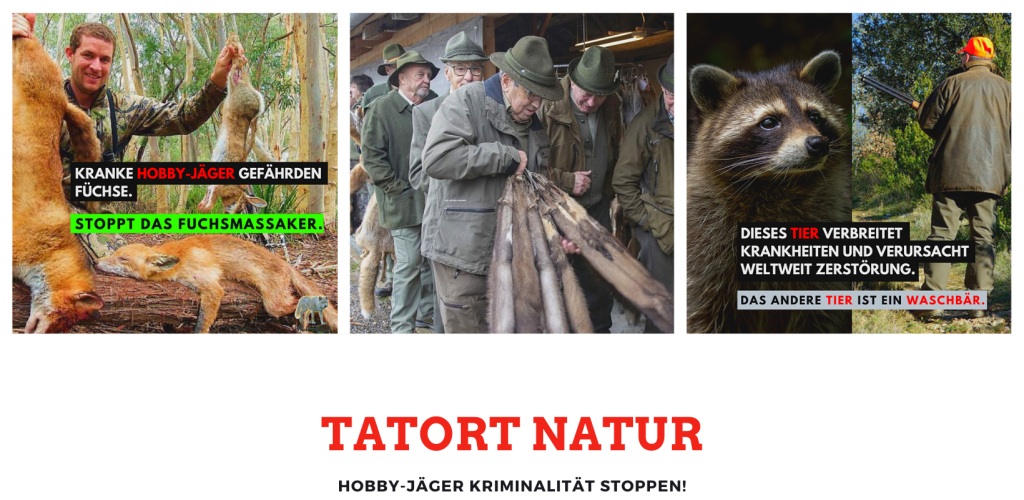
More on the subject of recreational hunting: In the dossier The Role and Criticism of Recreational Hunters we shed light on the training, power and self-image of recreational hunters. What the research says about this is shown by Hunting fact-checked: the state of research.
The position of IG Wild beim Wild: IG Wild beim Wild rejects recreational hunting. Our model is the canton of Geneva, which has managed without recreational hunting since 1974: without hunting seasons, without hunting dogs, without driven hunts, without high seats, without the animal cruelty and crime that go hand in hand with hunting season elsewhere. What has worked there for over fifty years disproves every position paper by JagdSchweiz. An association that bases its policy on claims it refutes in its own documents is not a professional organisation, but a factory for misinformation.