Too many sheep harm biodiversity.
Our ancestors had far fewer animals on the alpine pastures, which were partly cultivated with vegetables and grain. The alpine farming operations practiced today are highly unprofitable and would have been discontinued long ago without massive, biodiversity-damaging subsidies from Bern.

Unherded sheep since the 20th century
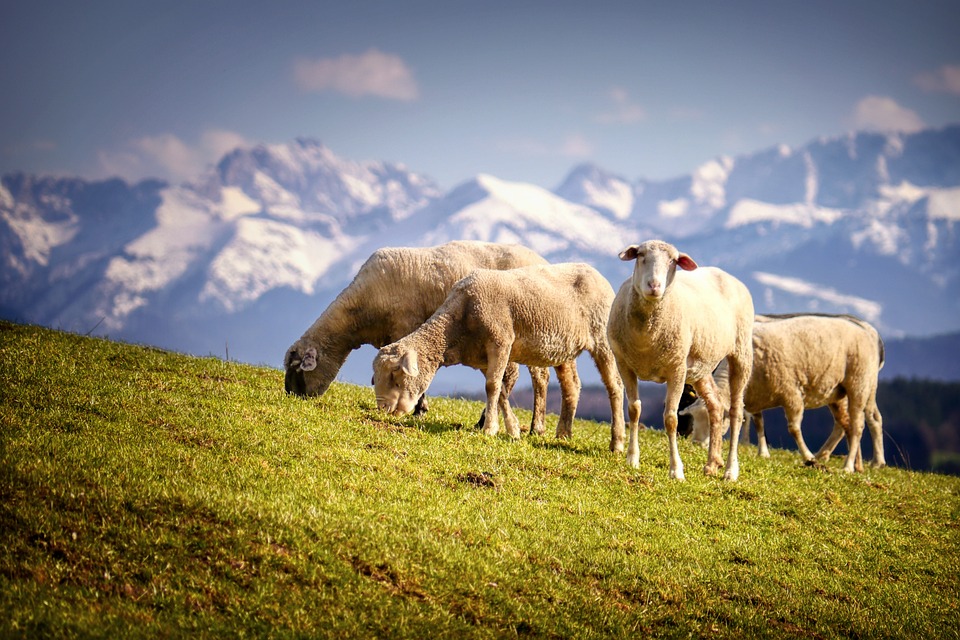
The large number of sheep and goats kept in Switzerland , as well as free-range grazing, is a relatively recent phenomenon. Since sheep began roaming the Swiss Alps unattended throughout the summer in the 20th century, tens of thousands of alpine sheep have died during the summer grazing season. In 2021, 40,000 sheep died. Last year, the number had already reached 56,838. Wolves were responsible for just under 2% of the deaths.
Wolf as a promoter of biodiversity
The wolf brought about a change in thinking. While 20 years ago 60% of sheep grazed completely freely and uncontrolled in the Alps, today that figure is only 16%. These measures simultaneously create the conditions for sheep grazing to become more ecologically sustainable, explains David Gerike of the Wolf Group Switzerland.
No other country has a higher proportion of threatened species than Switzerland. More than a third of plant, animal, and fungal species are considered endangered.
Where the wolf goes, the shepherd goes too.
For sheep to truly benefit biodiversity, they must be managed consistently. This requires experts, who have been called shepherds for millennia. And the wolf has ensured their return. The wolf is, in fact, a promoter of biodiversity in mountainous regions, as Pro Natura also writes. More on the topics of livestock protection and wolf conservation .
Dossier: Wolves in Switzerland: Facts, politics and the limits of hunting
| You can help all animals and our planet with compassion. Choose compassion on your plate and in your glass. Go vegan. |