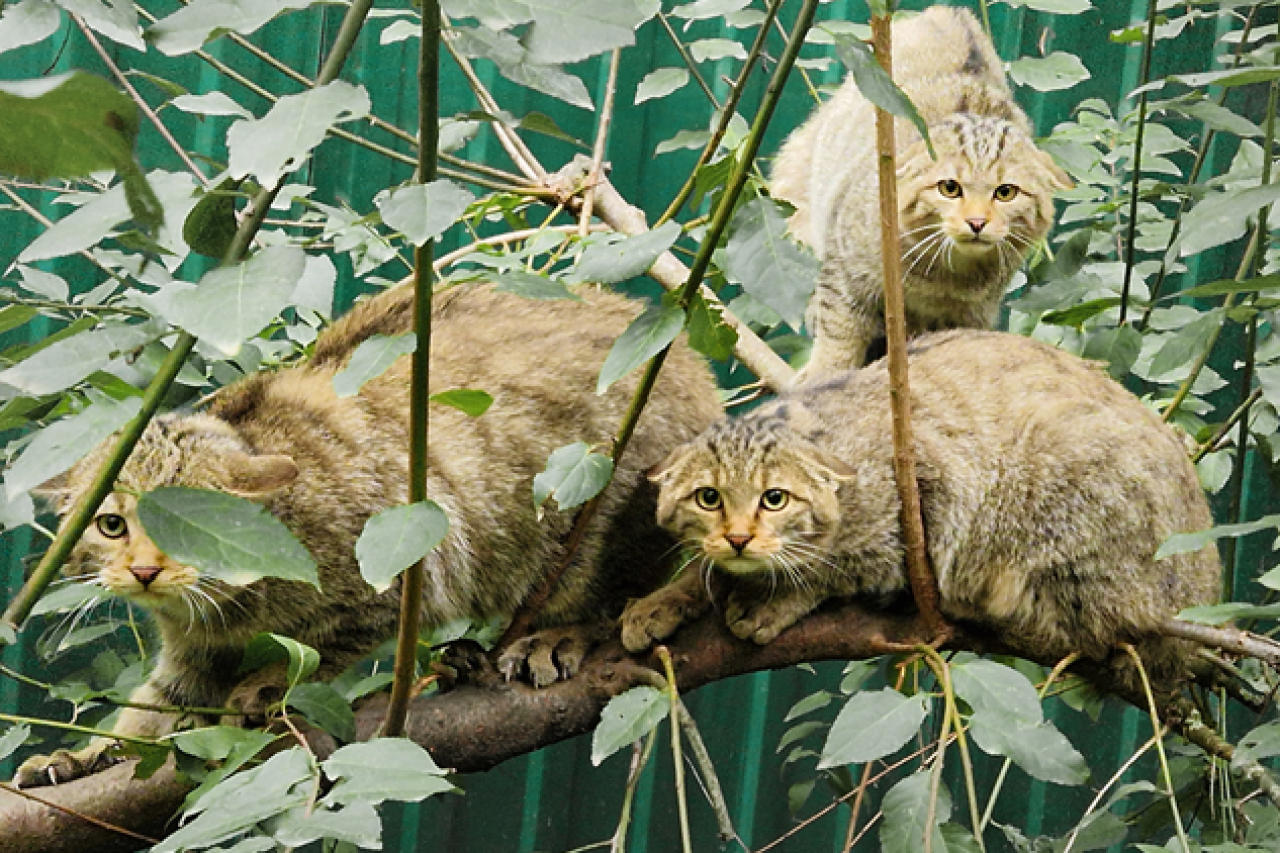
What is a positive list for pets?
The regulations governing which pets may be kept and how vary considerably between EU member states.

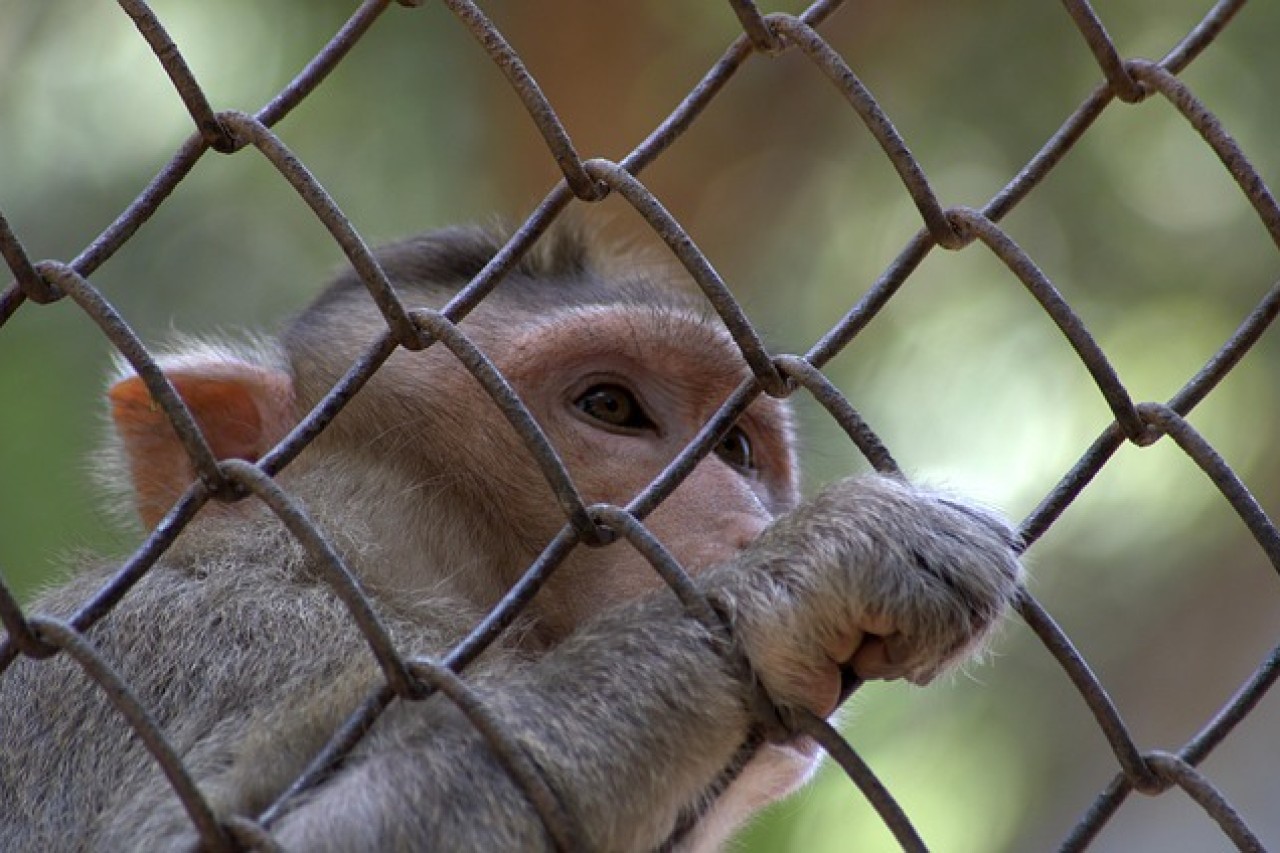
Millions of animals from thousands of different species are kept in private households, each with their own biological and behavioural needs.
Many species are simply not suitable as pets, leading to animal welfare problems as well as impacts on species conservation, biodiversity, and human health and safety.
There is a policy solution: an EU-wide positive list, i.e. a list of animal species that may be kept and placed on the market in the EU. Such a list would provide clarity for traders and consumers regarding the regulations, ensure fairness, and facilitate the enforcement of legislation.
The selection of suitable species would be carried out by experts in the fields of veterinary medicine, animal behaviour, and biology, who would need to develop an objective assessment methodology. The species most commonly traded in the EU could then be evaluated for their suitability.
This approach has already been implemented in five member states, and several others apply comparable methods. It is supported by the public and the European Parliament and has also found approval at Council level. The European Commission has even commissioned a study to examine its added value and feasibility.
In order to counter common misconceptions, we have compiled the most frequently asked questions about an EU-wide positive list:
- Will a positive list not cause the trade in exotic pets to go underground?
No regulatory system can eliminate all illegal activities. But a good system reduces incentives, increases traceability, and strengthens authorities. This is precisely what the positive list achieves, by promoting lower demand for non-approved species through a better understanding of the legal situation. The needs of most people can be met by the available approved species.
- Is this not unfair to responsible animal keepers and breeders?
The positive list is not a punishment, but a framework for responsibility. It acknowledges that some animals, due to their complex needs, are unsuitable for private keeping even under the care of well-meaning owners. Many exotic animals silently suffer from inadequate living conditions that even experienced keepers can barely ensure.
- Is this simply a ban on exotic pets?
No. It is a filtering mechanism. The various existing positive lists are based on different criteria and vary in length. It is likely that certain species from most taxa will continue to be permitted on the list.
The complete questions and answers from Eurogroup for Animals can be found HERE.

More on the subject of recreational hunting: What the research says about this is shown by Hunting fact-checked: the state of research.
The position of IG Wild beim Wild: IG Wild beim Wild rejects recreational hunting. Our model is the canton of Geneva, which has managed without recreational hunting since 1974: without hunting seasons, without hunting dogs, without driven hunts, without high seats, without the animal cruelty and crime that go hand in hand with hunting season elsewhere. What has worked there for over fifty years disproves every position paper by JagdSchweiz. An association that bases its policy on claims it refutes in its own documents is not a professional organisation, but a factory for misinformation.