Forbidden Paths: Hobby Hunters Claim the Forest
A troubling shift is currently taking place in Alsace.

Several municipalities have banned nocturnal use of forests, in one case even throughout the entire year.
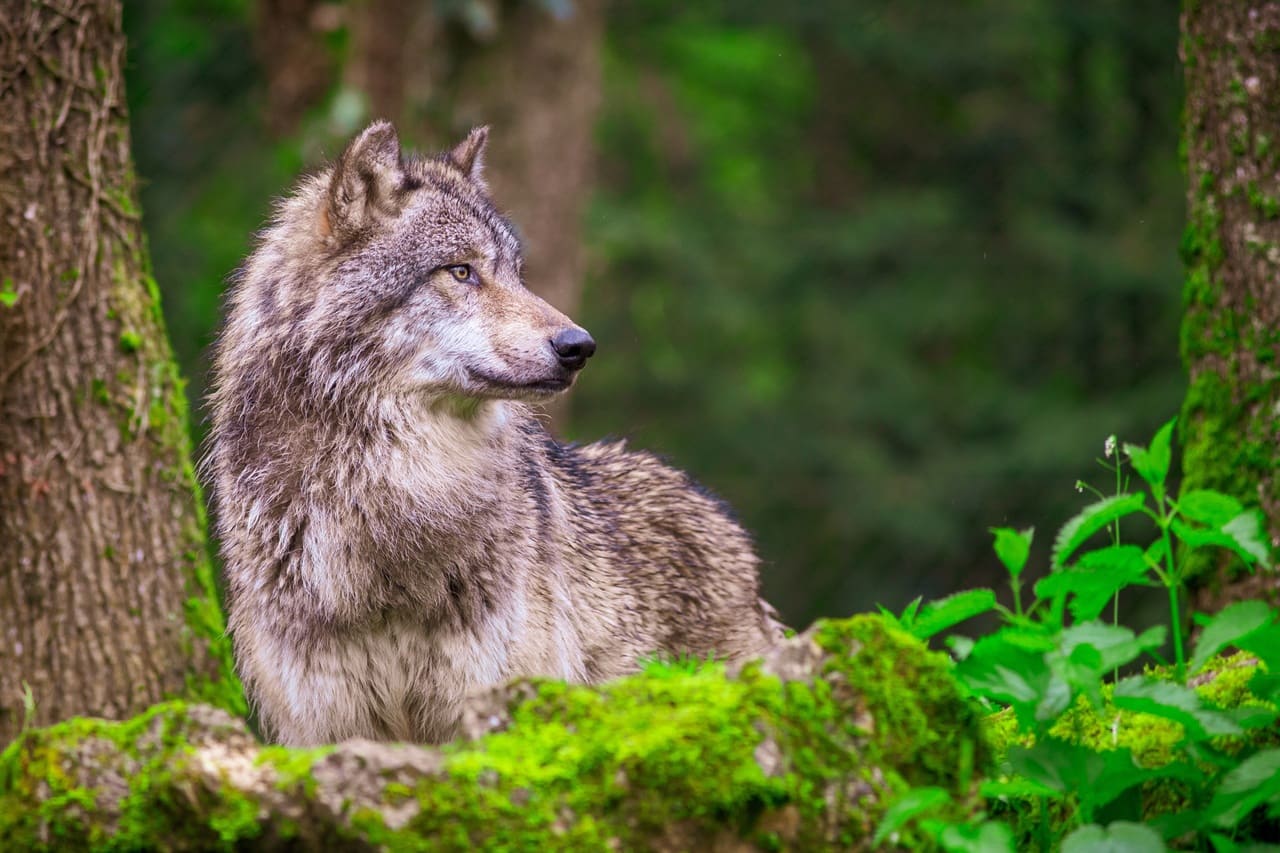
Officially, this is done “to protectwildlife”. In practice, however, it becomes clear: it is not the deer and wild boar being defended here. It is the interests of the recreational hunting community.
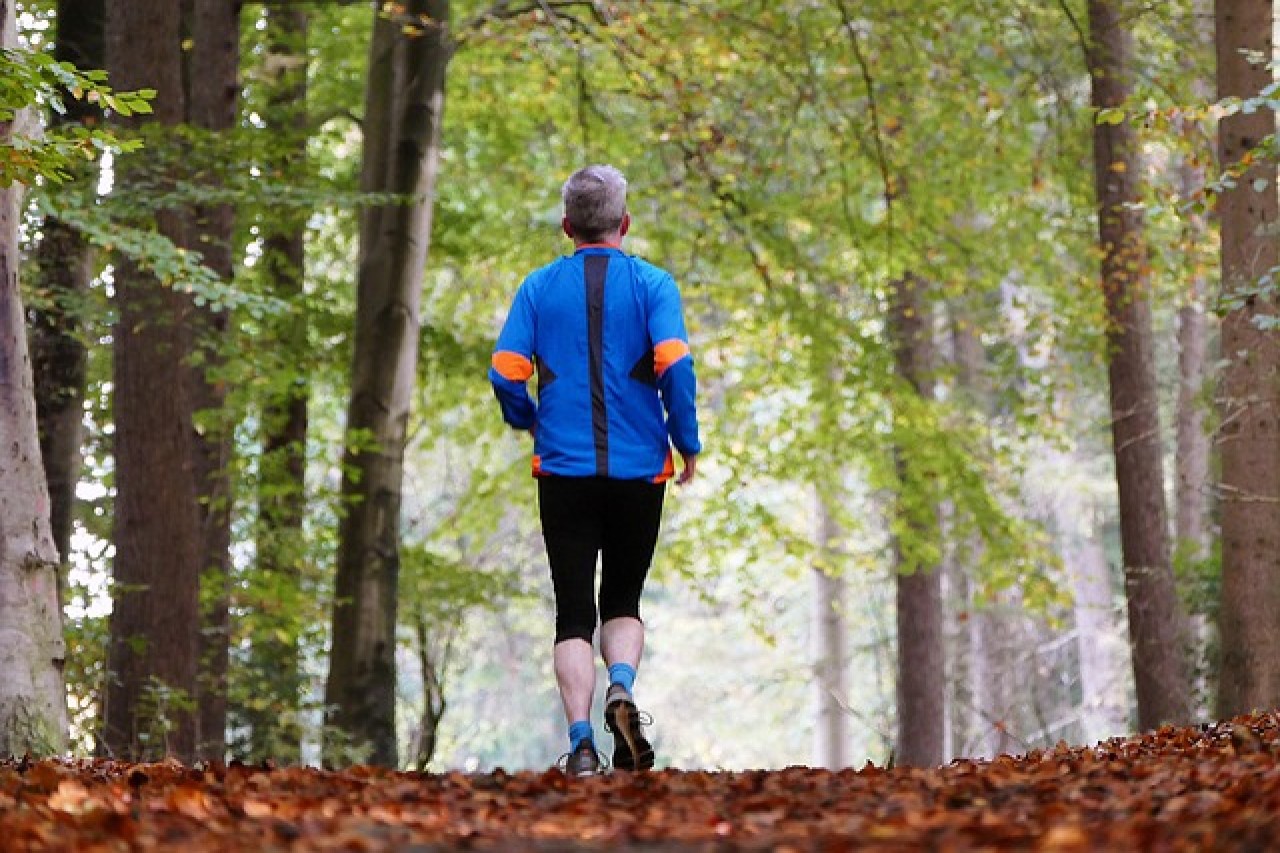
In Orschwihr, for example, between May and October walking is only permitted during the day on marked trails. The local hunting leaseholder complains that runners with headlamps are driving away the game. His assessment: “40 cars at thehunt, 0 game spotted.” In other words: when the hunt is unsuccessful, the joggers are to blame.
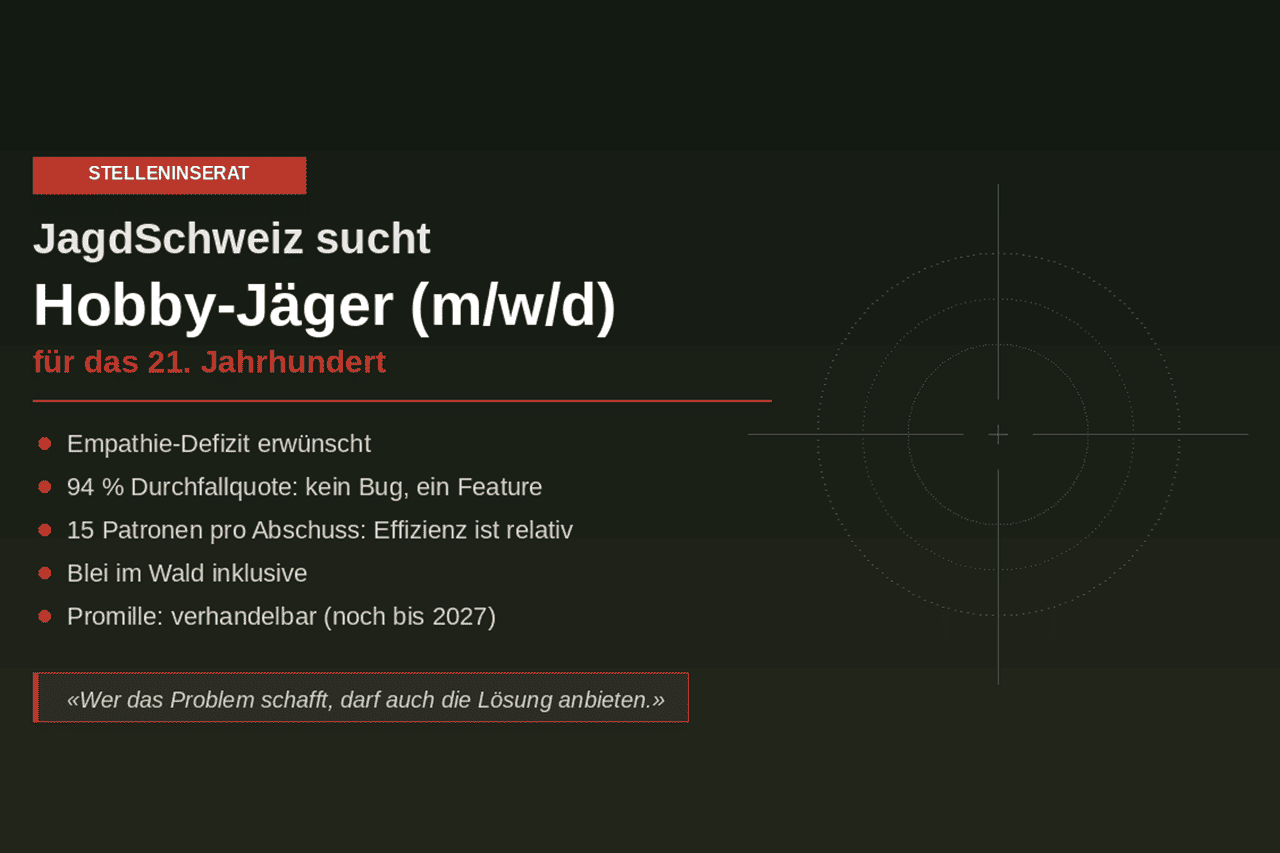
A double standard is being applied here. Hobby hunters claim the right to be out and about in the early morning hours and at night. Yet athletes, hikers, and nature lovers are supposed to stay away at precisely those times? This is not nature conservation policy — it is the enforcement of special privileges for a small, militant, and vocal lobby.
The Myth of “Wildlife Protection”
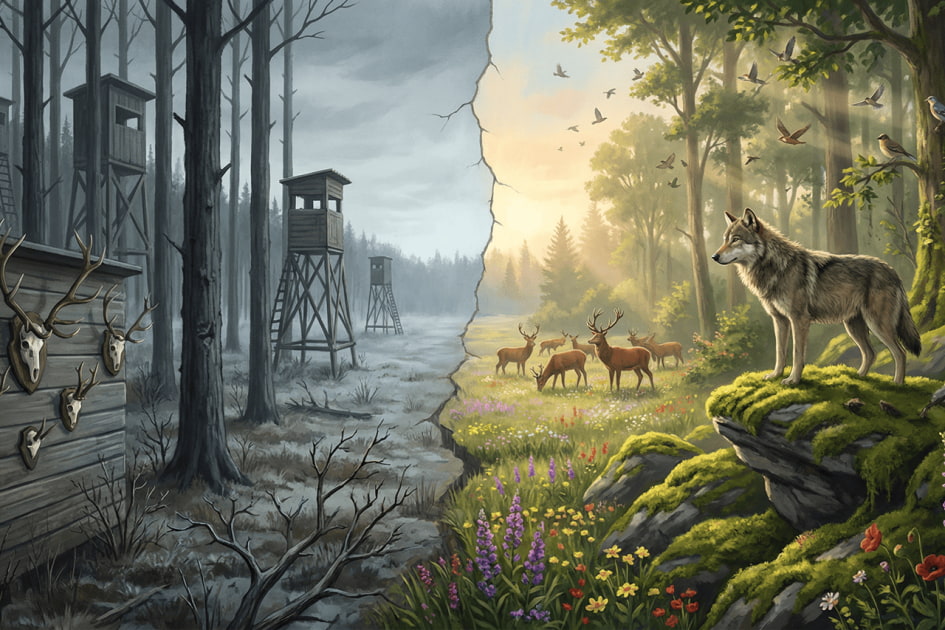
The municipalities justify their bans with the “nocturnal tranquillity of the fauna.” But where are the studies proving that a runner with a headlamp endangers the populations of deer or foxes? The suspicion is well-founded: a pretextual argument is being instrumentalised here to keep recreational hunting undisturbed. Or, asu-Trailputs it bluntly: “It is not the trees we are protecting, it is the hunting blinds.”
The consequences for the public are real: people who wish to train in the evenings or early mornings are being pushed out. The feeling grows that one is no longer welcome in one’s own forest. Forest paths, once places of freedom and recreation, are being regulated and hierarchised — to the benefit of a single group.
What Would Be Fair?
- Transparent participation of all user groups.
- Evidence instead of hobby hunter arguments.
- Uniform rules: If hobby hunters are allowed out at night, then so are athletes.
- Clear communication and fair consideration, not backroom bans.
The hobby hunting lobby in Alsace demonstrates how subtly power shifts operate in rural areas. Under the guise of “protecting nature,” a public good is being appropriated. Anyone who accepts this becomes complicit in the redefinition of forest paths from common property to hunting terrain.
This is about more than headlamps and trail running. It is about the right to free access to nature. And that belongs to everyone — not just those with a rifle.
For IG Wild beim Wild, the matter is clear: this decision sets yet another precedent that reaches far beyond Alsace. Once hobby hunting lobbies successfully manage to restrict access to public paths, the model risks spreading to other regions. Step by step, a network of special privileges could emerge until, in the end, the forest no longer belongs to the public, but to those who use violence.
HOBBY HUNTER RADAR
On the trail of hidden animal welfare offences, poaching and/or criminal activity? Report suspected cases to us! Help with the great hobby hunter radar.