UN plastics agreement fails for the first time in Geneva
Recent efforts to reach a globally binding agreement to curb plastic pollution have failed for now.

The fifth session (INC-5.2) of the UN talks in Geneva ended without an agreement. A timetable for resuming negotiations remains unclear.
For over ten days, around 2,600 participants – including 1,400 delegates from 183 countries and numerous observers – met at the UN headquarters Palais des Nations in Geneva to negotiate a legally binding treaty against plastic pollution.
The final texts – a total of two drafts – were not approved.
Reasons for failure: Plastic production & chemicals
Should the agreement include binding limits on plastic production or focus on waste management? Over 100 countries, including the EU, China, Tuvalu, and Uganda, called for binding production limits and regulation of additives.
This was opposed by countries like the USA, Saudi Arabia, and Kuwait, which primarily wanted to focus on recycling, product hygiene, and design improvements, and strictly rejected production limits. This deadlock ultimately led to the collapse of the agreement.
Between frustration and perseverance
The co-chairs of the so-called High Ambition Coalition – some 100 ambitious states – including leading countries like Norway and Denmark, expressed their disappointment. Denmark described the failure as "truly sad".
UNEP Executive Director Inger Andersen emphasized that despite the standstills, "all countries clearly want to remain at the negotiating table." According to the UN environment agency, plastic pollution is ubiquitous – in waterways, soil, living beings, and even in the human body.
Environmentalists voiced strong criticism: Greenpeace accused the negotiations of ignoring the "unstoppable expansion of plastic production"; WWF warned of "more damage, more suffering, more devastation".
The debate about plastic goes beyond environmental issues – it also affects health and reproduction: Endocrine-damaging additives in plastics such as phthalates and bisphenols are linked to a worldwide decline in sperm counts.
A fraction of the global problem remains unsolved.
The negotiating alliance must face growing criticism: repeated failures and an opaque process are raising concerns about the consensus principle – some experts are calling for qualified majority voting to avoid future blockages.
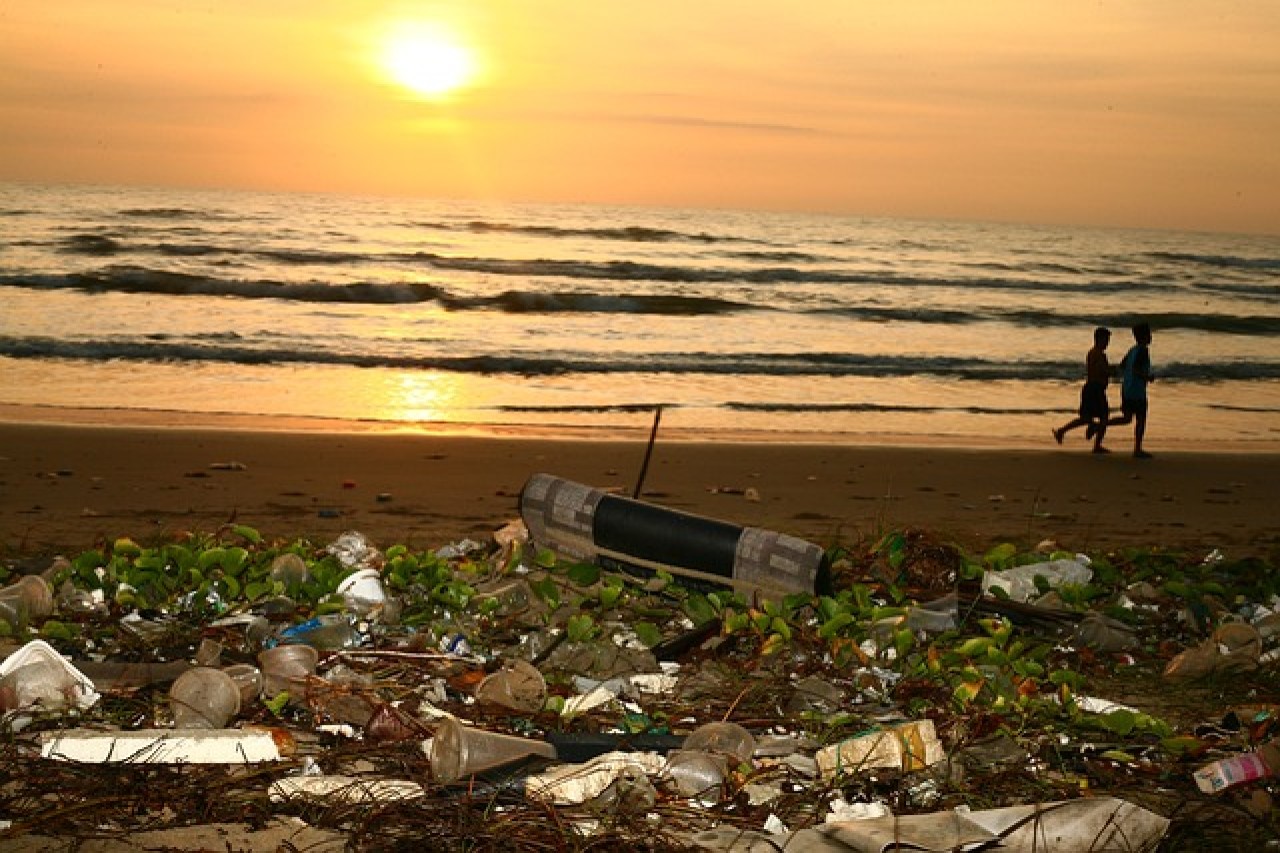
Meanwhile, the numbers are rising: More than 460 million tons of new plastics are produced annually, and about 20 million tons end up as environmental pollution.
A concrete timetable for the continuation of negotiations is still open. However, Inger Andersen emphasized that the process will continue – albeit with new challenges, not least the demand for inclusive, more transparent procedures.