1’000 more species threatened with extinction
The list of species threatened with extinction has grown by more than 1,000 entries within a single year.

More than 45’000 species are now threatened with extinction – 1’000 more than in the previous year.
This was reported by the International Union for Conservation of Nature (IUCN). Last week, the team published theupdated Red Listof threatened species.
In its 60th year, the IUCN is warning of the extinction of animals and plants, but also highlighting successes in species conservation. The list now encompasses a total of 163’040 species facing varying degrees of threat – approximately 6’000 more than in the previous year. Among them are now the Copiapoa cacti from the Atacama coastal desert in Chile, the Bornean elephant, and the giant lizard of Gran Canaria.
The consequences of climate change, invasive species, and human activities such as illegal trade and the expansion of infrastructure are held responsible for this development.
The world’s largest living lizard, the Komodo dragon of Indonesia, is more severely threatened than previously thought. The International Union for Conservation of Nature (IUCN) has reclassified it on its Red List of threatened animal and plant species as “Endangered,” moving it one step higher on the extinction scale.
According to the IUCN, the Komodo dragon is being severely impacted by climate change. Rising sea levels are expected to destroy approximately one third of its habitat within the next 45 years. The omnivores, which can grow up to three metres in length, have inhabited eastern Indonesia – Komodo National Park and the adjacent island of Flores – for millions of years. An estimated 6’000 individuals remain.
Threatened Bornean elephants
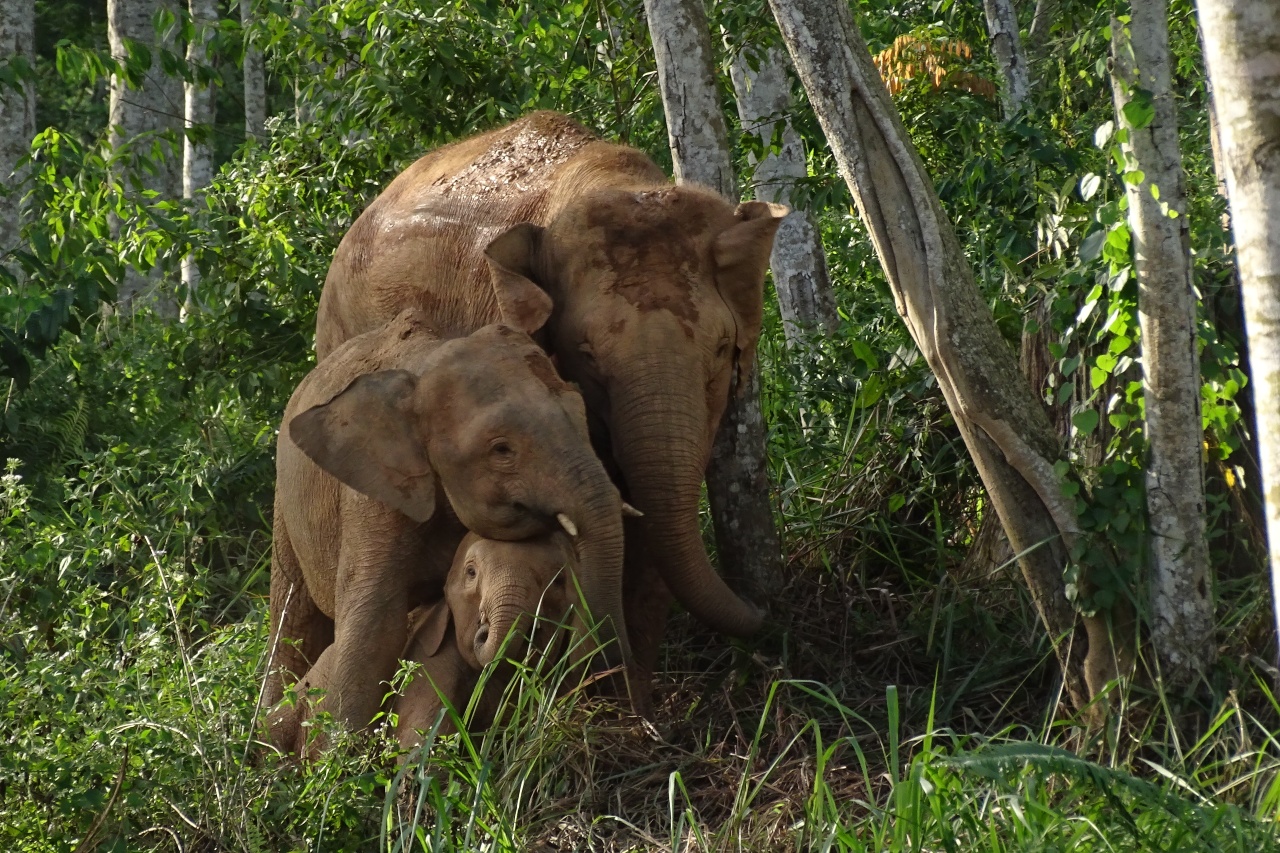
Since this year, the Asian elephants of Borneo have also been listed as endangered. It is estimated that only 1’000 Bornean elephants remain in the wild.
The population has declined primarily over the past 75 years because increasing amounts of forest in Borneo have been cleared. In doing so, humans have destroyed the majority of the elephants' habitat. Conflicts with local residents, habitat loss due to agriculture and timber plantations, mining and infrastructure development, poaching, exposure to agrochemicals, and traffic accidents also threaten the species, the IUCN reported.
Better news on tuna
The stocks of four of the seven most popular tuna species have recovered after decades of protective measures. Fishing quotas and consistent measures against illegal fishing have shown results.
The IUCN estimates, for example, that the number of Atlantic bluefin tuna (Thunnus thynnus) from the Mediterranean has increased by 22 percent over the past four decades. This species had previously been listed as “endangered,” but improved by three categories. It is now no longer considered threatened at all. The same applies to albacore tuna (Thunnus alalunga) and yellowfin tuna (Thunnus albacares), which each improved by one category. The stock of the still critically endangered southern bluefin tuna (Thunnus maccoyii) has also partially recovered, moving from category 6 to 5.
The IUCN is committed to nature and species conservation. It has more than 1’300 members, including ministries, federal agencies, nature conservation associations, and research institutes. The IUCN is currently holding its species conservation congress in Marseille .
| You can help all animals and our planet with compassion. Choose compassion on your plate and in your glass. Go vegan. |