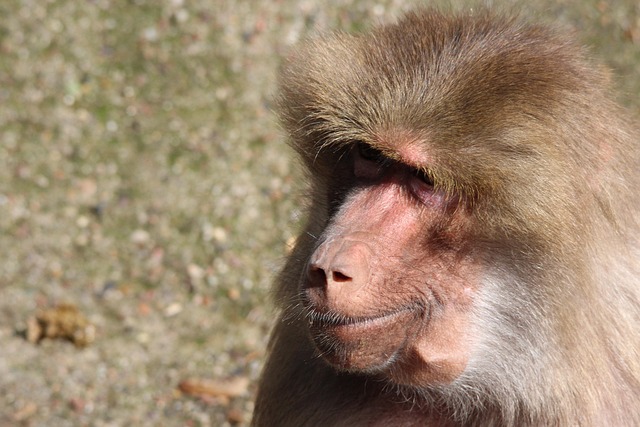
Killing of surplus animals – zoos fail at species conservation
Several animal protection organisations are sharply criticising the killing of allegedly surplus zoo animals.

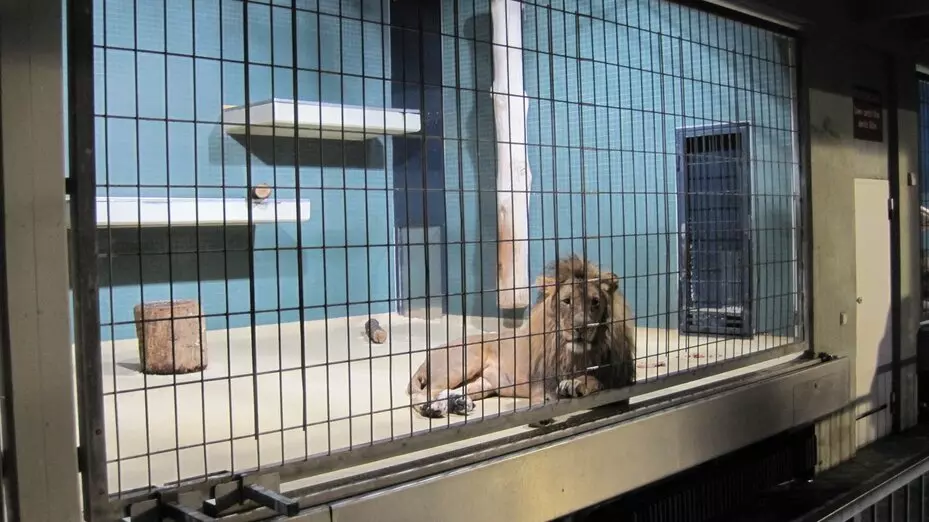
Just a few days ago, Leipzig Zoo announced the killing of four sitatungas – a critically endangered species – due to a lack of space.
The fact that zoos are increasingly killing animals that have become economically inconvenient for them, and presenting this to the public as a species conservation and educational measure, demonstrates that zoos are primarily commercially operated leisure facilities.
«Zoos always advertise that keeping endangered species in their facilities makes an important contribution to species conservation. However, on closer inspection, one finds that very few animals in zoos ever have any chance of being released into the wild,» states Laura Zodrow, specialist adviser at Pro Wildlife e.V.
Species conservation as a fig leaf
This is also substantiated by a response from the German federal government to a parliamentary inquiry, which reveals that over 15 years (from 2005 to 2020), a total of only 149 animals of protected species were exported from German zoos abroad for rewilding projects. Given that around 17’000 animals are kept in zoos affiliated with the Association of Zoological Gardens (VdZ) alone, this figure is vanishingly small. In any case, only very few animal species that have become or were extinct in the wild have survived through captive breeding efforts.
Zoos frequently reach the limits of their population management capabilities. «The concept of surplus has by now become standard vocabulary in zoo management, but it already implies an ethically and animal-welfare-legally questionable classification of animals as either worth living or worthless. Animals are sentient beings, not merely gene reserves,» says Dr. Yvonne Würz, specialist adviser at PETA Deutschland e.V.
Violation of legal and ethical principles
Zoos repeatedly attempt to justify the killing of healthy animals as necessary. In a recently published article in the academic journal «Proceedings of the National Academy of Sciences» (PNAS), zoo officials argue that without breeding, animals are denied essential behavioral cycles such as reproduction, rearing of young, and social interaction with juveniles. “However, the authors fail to mention that animals in zoos are, as a matter of course, restricted in all areas of their lives and are unable, for example, to choose their own social partners or engage in important behavioral cycles such as exploratory behavior, social and territorial behavior, foraging, or rest and comfort behavior. The entire lives of animals in zoos are controlled by humans. The argument is therefore entirely without merit,” said Claudia Lotz, Chairwoman of the Bundesverband Tierschutz e.V.
Killing for economic reasons is unlawful
Ethical and animal welfare considerations are also clearly of secondary importance to the authors: elderly animals requiring more care and resources should, in their view, be killed to make room for younger and healthier animals. For animal welfare organizations that devotedly care for every animal in their charge, this cannot be the right course of action. “If animal shelters or veterinarians in Germany were to begin systematically euthanizing old or intensively care-dependent animals for economic reasons, the public outcry would surely be immense. It is unacceptable for zoos to evade responsibility for animals that they themselves have bred. Not least, killing an animal without a legitimate reason is unlawful,” criticized Thomas Schröder, President of the Deutscher Tierschutzbund e.V.
The animal welfare organizations are calling on the zoo community to cease the killing of “unwanted” zoo animals. Torsten Schmidt, scientific advisor at the Bund gegen Missbrauch der Tiere e.V., stated: “Zoos must face their responsibility and create species-appropriate living conditions for all animals entrusted to them. This includes in particular the reduction of species kept, the cessation of breeding programs, as well as enclosure expansions and even the construction of new enclosures in order to continue housing animals that cannot be rehomed.”
Further articles
- Zoos cause more harm to animals than you may realize
- Justice for zoo animals
- Is it time to ban zoos?
- Finland: Zoo wants to send giant pandas back to China due to maintenance costs
- The keeping of elephants in zoos must finally come to an end!
- Killing surplus animals – zoos are failing at species conservation