The Sugarloaf Lettuce: Fresh Through the Cool Season
Autumn is here, winter is approaching: the sugarloaf lettuce brings freshness to the plate even in the cooler seasons.

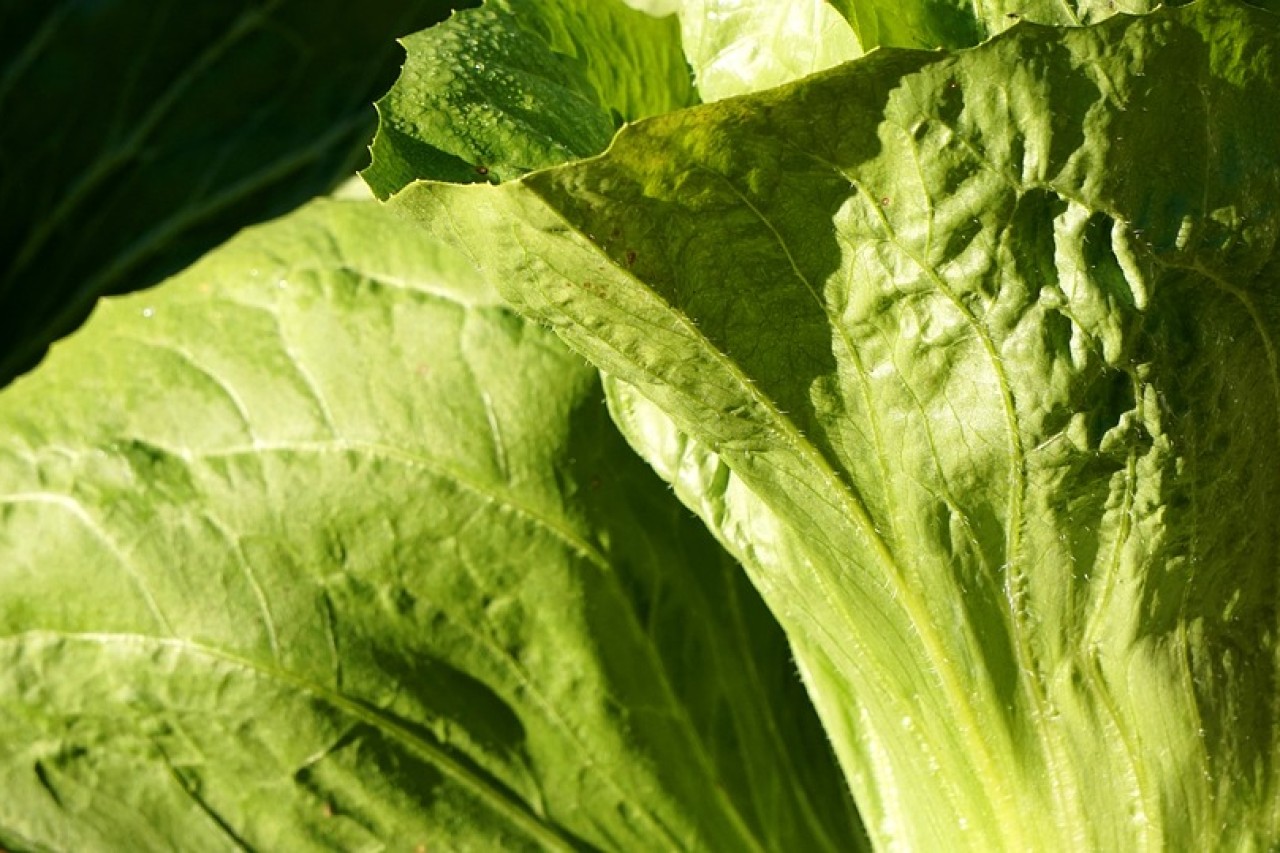
The sugarloaf lettuce tastes — contrary to what its name suggests — not sweet, but nutty and slightly bitter. This is due to the bitter compounds found in its milky sap. The name “sugarloaf” refers to the lettuce’s conical shape, which resembles a sugar loaf.
Cooking, steaming, gratinating
The sugarloaf lettuce is rich in the important minerals potassium, phosphorus and calcium. It also contains provitamin A as well as vitamins B1, B2 and C.
Sugarloaf lettuce is most commonly eaten raw as a salad. It is particularly popular for the preparation of ready-made salads. However, it can equally be cooked, steamed or gratinated. Sugarloaf lettuce was originally cultivated in warmer regions, in southern France, Italy and Ticino. Today it grows in fields throughout Switzerland. Regional plant-based nutrition protects wildlife and the environment.
Sugarloaf lettuce withstands frost
Sugarloaf lettuce makes only modest demands on soil and climate. It forms tightly closed heads whose leaves are yellow-green, elongated and crisp. Like endive and chicory, it belongs to the chicory family.
A characteristic feature of sugarloaf lettuce is that it survives light frost unharmed. Sown between May and July, sugarloaf lettuce is harvested from September to November. After that, it can — unlike other lettuce varieties — be stored for several weeks without losing its freshness. In Switzerland, sugarloaf lettuce is in season from June to February.
In 2023, vegetable growers in Switzerland cultivated sugarloaf lettuce on 115 hectares, 39 of which were under organic production. A total of 3’500 tonnes were harvested, and 1’650 tonnes were imported.
| You can help all animals and our planet with compassion. Choose compassion on your plate and in your glass. Go vegan. |