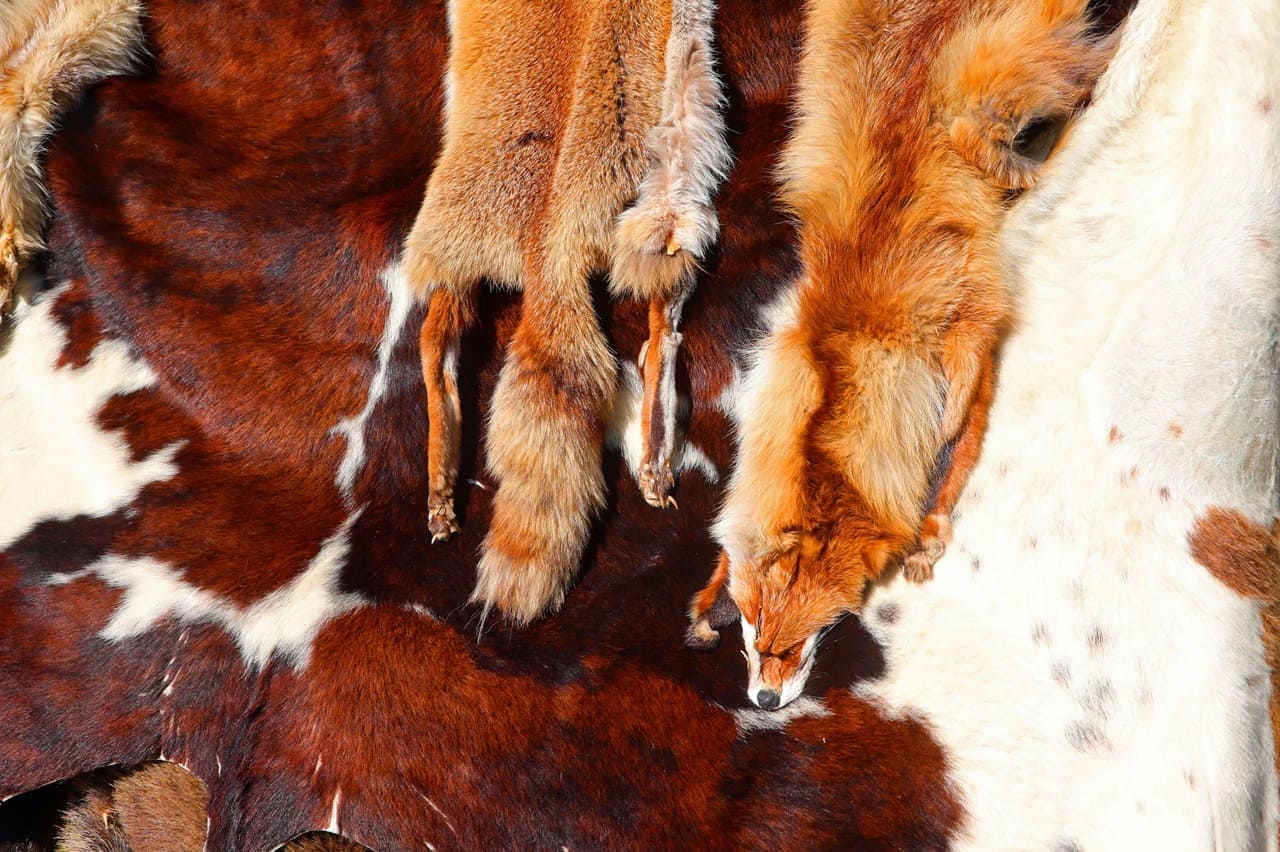
The Killers in Our Forests
As the forest thins out, driven hunts again intensify between November and January. Wild boar, roe deer and red deer are among the most common targets.


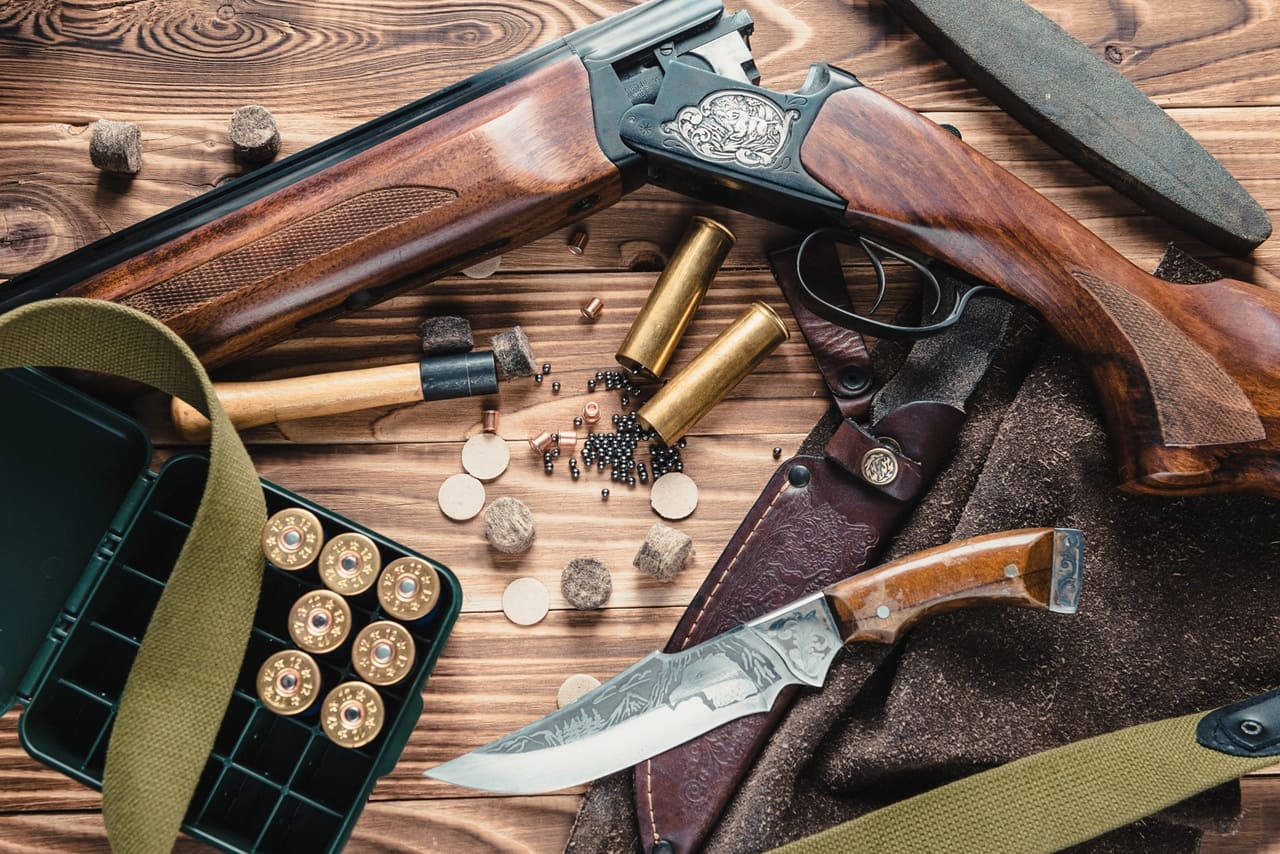
A driven hunt is a type of moving hunt in which numerous beaters and their dogs flush out the game and «drive» it in front of the recreational hunters’ rifles. The goal is to kill as many animals as possible.
The use of beaters and dogs frequently causes the game to flee in panic. Precise, deliberate and lethal shots are often not possible — not only because the animals are moving at high speed, but also because many of the often several dozen recreational hunters lack sufficient shooting practice. The roe deer cannot be reliably hit while in motion due to its species-typical bounding leaps, as criticised by Wildtierschutz Deutschland.
When these hunting events are also commercialised and sold to recreational hunters from all parts of the country and from neighbouring countries abroad, unsportsmanlike scenes inevitably occur.
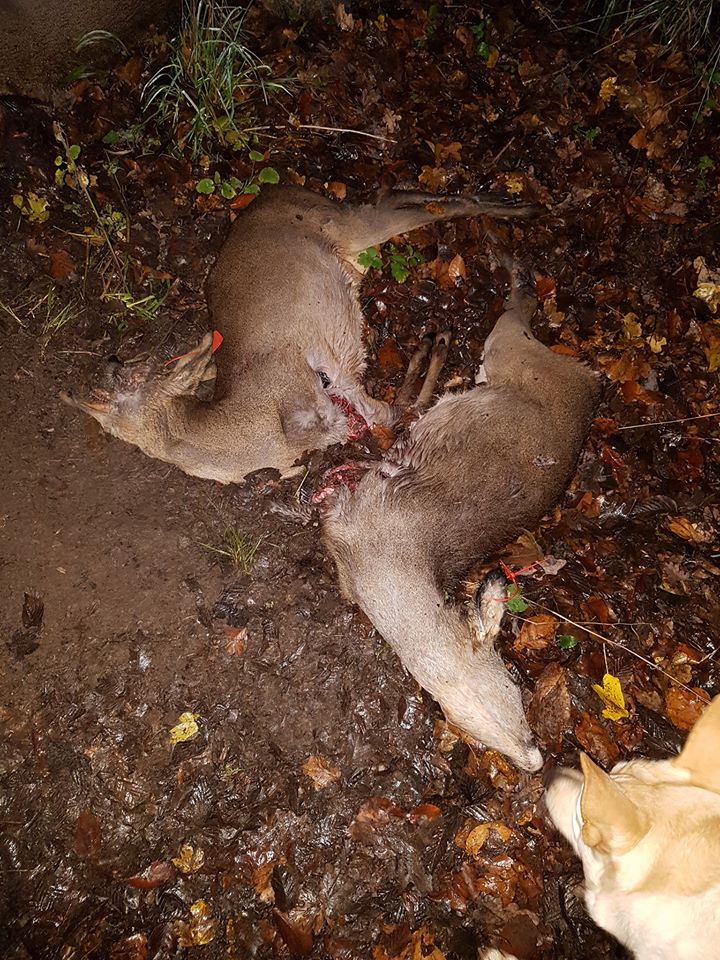
In driven hunts, only around one third of animals are killed outright by a heart-lung shot. Many animals suffer abdominal shots, back injuries, shots to the limbs, or are never found at all. In a study by the Veterinary Association for Animal Protection, approximately 30% of male and 60% of female roe deer showed abdominal wounds.
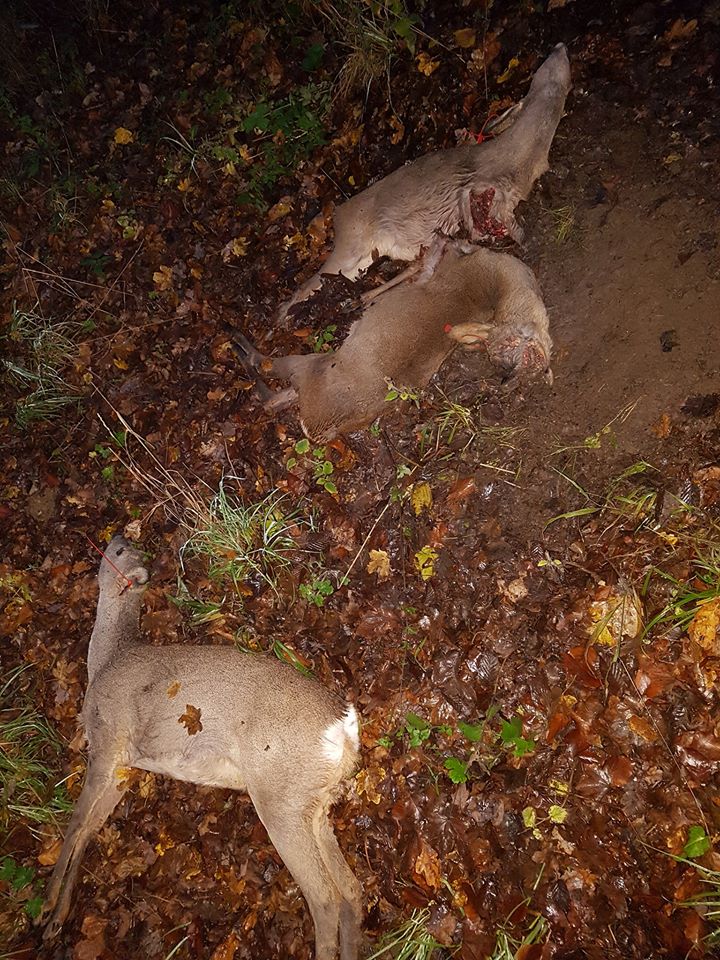
Analogous to a specialist study published in 2008 in the special edition «Wildbrethygiene» by the German Agricultural Publishing House, it has been documented that in driven hunts only 25–30% of animals are killed instantly by a direct shot (heart–lung shot). This means, conversely, that 70–75% of animals in driven hunts are injured or mutilated by so-called «poor shots» and subsequently often die in agony.
It is not uncommon at these events for young animals — particularly piglets — to have their parents shot away from them. Due to the thick fur and the split-second decision required to take a shot, it is repeatedly overlooked that the animal in question is a mother or even the lead animal.
Less scientific, but no less telling, are the comments from game meat traders: they report that in driven hunts it is not uncommon for only 20 kg of usable meat to be recovered from ten roe deer — an adult animal weighing 20 to 30 kg — with the remainder either shot to pieces or spoiled due to the animals’ suffering and the associated release of stress hormones. Those who process the meat regardless typically sell it as game goulash.
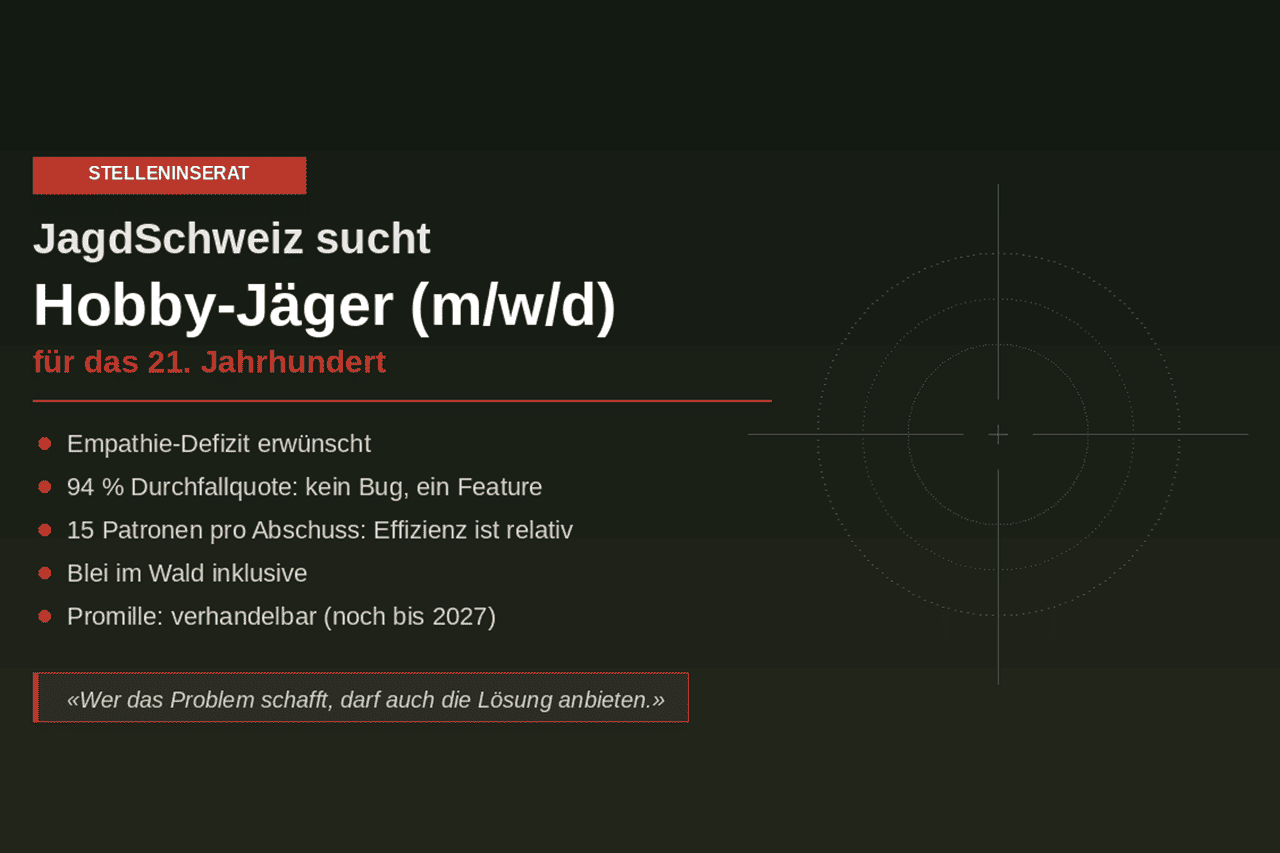
Critics of this method of hunting — increasingly including voices from within the ranks of recreational hunters — argue that driven hunts are neither in keeping with fair chase principles nor defensible under animal welfare law. In hunting circles, such hunts are also referred to as hunting events or kill-for-cash parties — a disgrace.
In the view of IG Wild beim Wild, hobby hunters require annual medical-psychological fitness assessments modelled on the Dutch system, as well as a binding upper age limit. The largest age group among recreational hunters today is 65+. Within this group, age-related impairments such as declining vision, slower reaction times, lapses in concentration and cognitive deficits increase statistically at a significant rate. At the same time, accident analyses show that the number of serious hunting accidents involving injuries and fatalities rises significantly from middle age onwards.
The regular reports of hunting accidents, fatal misjudgments, and the misuse of hunting weapons highlight a structural problem. The private ownership and use of lethal firearms for recreational purposes largely evades continuous oversight. From the perspective of IG Wild beim Wild, this is no longer justifiable. A practice based on voluntary killing that simultaneously generates significant risks for people and animals forfeits its social legitimacy.
Recreational hunting is furthermore rooted in speciesism. Speciesism describes the systematic devaluation of non-human animals solely on the basis of their species membership. It is comparable to racism or sexism and can be justified neither culturally nor ethically. Tradition does not substitute moral scrutiny.
Critical examination is especially indispensable in the realm of recreational hunting. Scarcely any other field is so profoundly shaped by euphemistic narratives, half-truths, and deliberate disinformation. Where violence is normalized, narratives frequently serve as justification. Transparency, verifiable facts, and open public debate are therefore essential.
More on the subject of recreational hunting: In the dossier Poaching and hunting crime in Switzerland we document cases, legal questions and recurring patterns. What the research says about this is shown by Hunting fact-checked: the state of research.
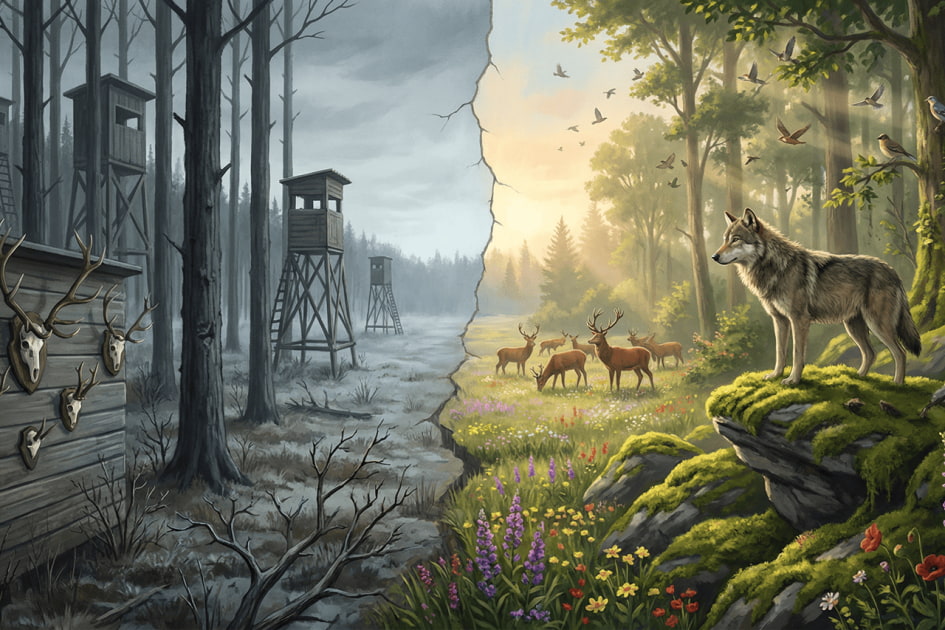
The position of IG Wild beim Wild: IG Wild beim Wild rejects recreational hunting. Our model is the canton of Geneva, which has managed without recreational hunting since 1974: without hunting seasons, without hunting dogs, without driven hunts, without high seats, without the animal cruelty and crime that go hand in hand with hunting season elsewhere. What has worked there for over fifty years disproves every position paper by JagdSchweiz. An association that bases its policy on claims it refutes in its own documents is not a professional organisation, but a factory for misinformation.