Science warns, politicians shoot
In Valais, a new chamois hunting model is drawing sharp criticism from wildlife experts. Although a study commissioned by the canton itself identifies a balanced sex ratio as crucial for stable chamois populations, the current regulations permit significantly more bucks to be shot — contrary to scientific recommendations.

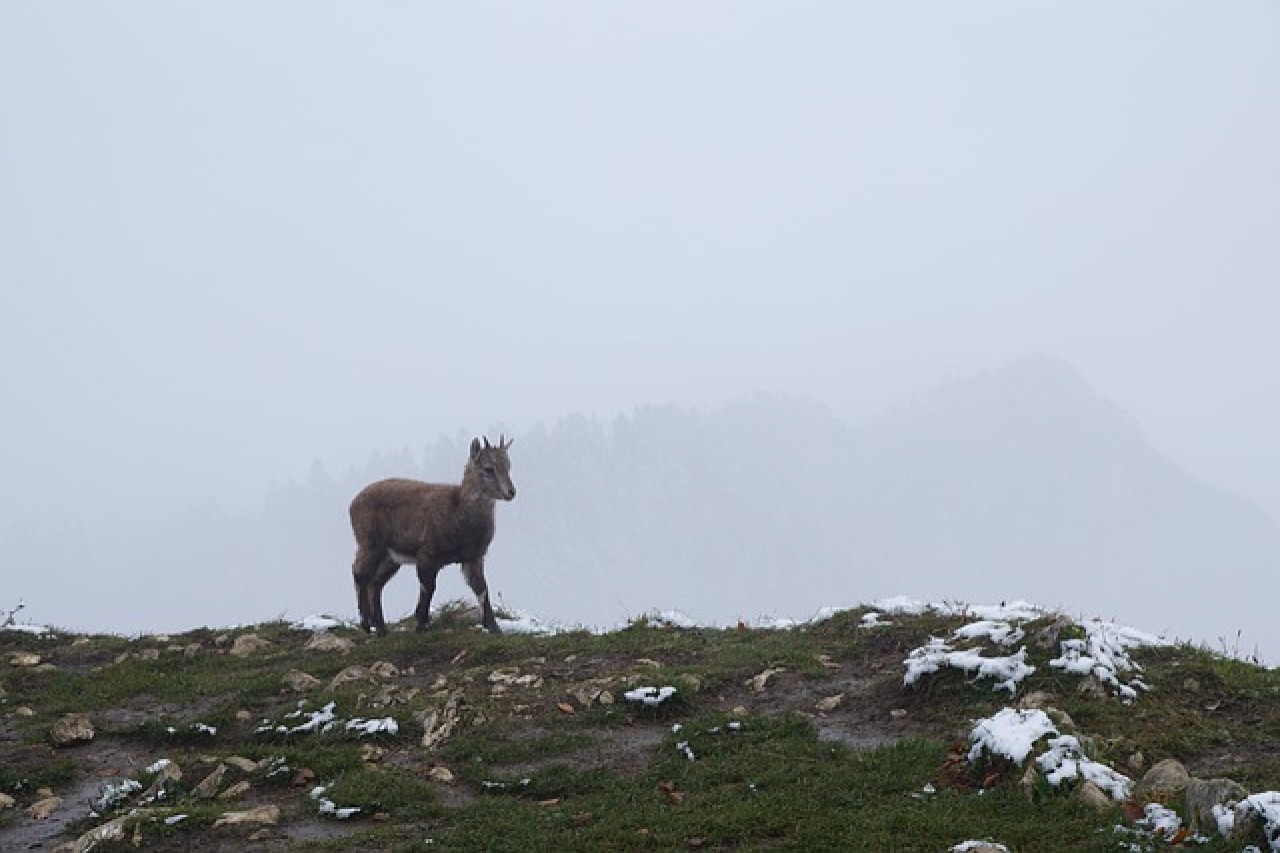
As early as 2016, the Cantonal Valais Hunters' Association (KWJV) commissioned a comprehensive study on chamois populations.
Wildlife biologists Dr. Christine Miller and Dr. Luca Corlatti conclude in the study that Valais populations show a marked surplus of does over bucks. This imbalance, they warn, could negatively affect the reproduction, social structure and health of theanimals .
The agricultural rule of thumb that one bull can cover 30 cows does not apply to chamois in the wild. Yet it is precisely this logic on which the current Valais chamois hunting model is based.
The study therefore explicitly recommends increasing the culling of female animals and allowing bucks the time to grow into the socially important age class of over eleven years. Only in this way can stable populations be secured, writespomona.ch on 14.9.2025.
New hunting plan goes in the opposite direction
Despite these warnings, the new hunting model doubles the quota for adult bucks. According to the Valais Department ofHunting and Nonsense, the protection of female chamois is to be “increased,” yet at the same time important age classes among the does remain unprotected: animals aged 3½ years may still be shot — just one year before they produce offspring for the first time.
Experts warn that the absence of older bucks leads to more rutting fights, disrupted hierarchies and stress-induced weakening of the animals. This could result in higher winter mortality among both bucks and does, as well as poorer survival rates for kids.
A skewed sex ratio has far-reaching consequences: delayed rut, more secondary ruts, increased parasite pressure, later-born and therefore weaker kids — a vicious cycle that destabilizes the population.
Politics under pressure
The pattern is not new: As early as the wolf hunt Valais politics followed the pressure of certain interest groups and ignored scientific warnings about the destabilization of populations. Critics see this as a general problem — short-term interests are placed above sustainable wildlife policy.
The conflict over chamois hunting in Valais illustrates how scientific findings and political decisions can drift apart. Whether the populations remain stable in the long term now depends on whether those responsible are willing to take research recommendations seriously — or continue to pursue hunting policy against the advice of their own experts.