Firearm Homicides in Switzerland
A study by the Federal Office for Gender Equality (FOGE) examines the backgrounds of homicides involving firearms in the domestic sphere in Switzerland. The Federal Council was informed of the findings at its meeting on 26 February 2025.


The investigation shows that the perpetrators are almost exclusively men, the majority being Swiss nationals over the age of 60.
Swiss women of the same age group are particularly at risk.The study also shows, that information on the legality and origin of the firearms is frequently lacking.
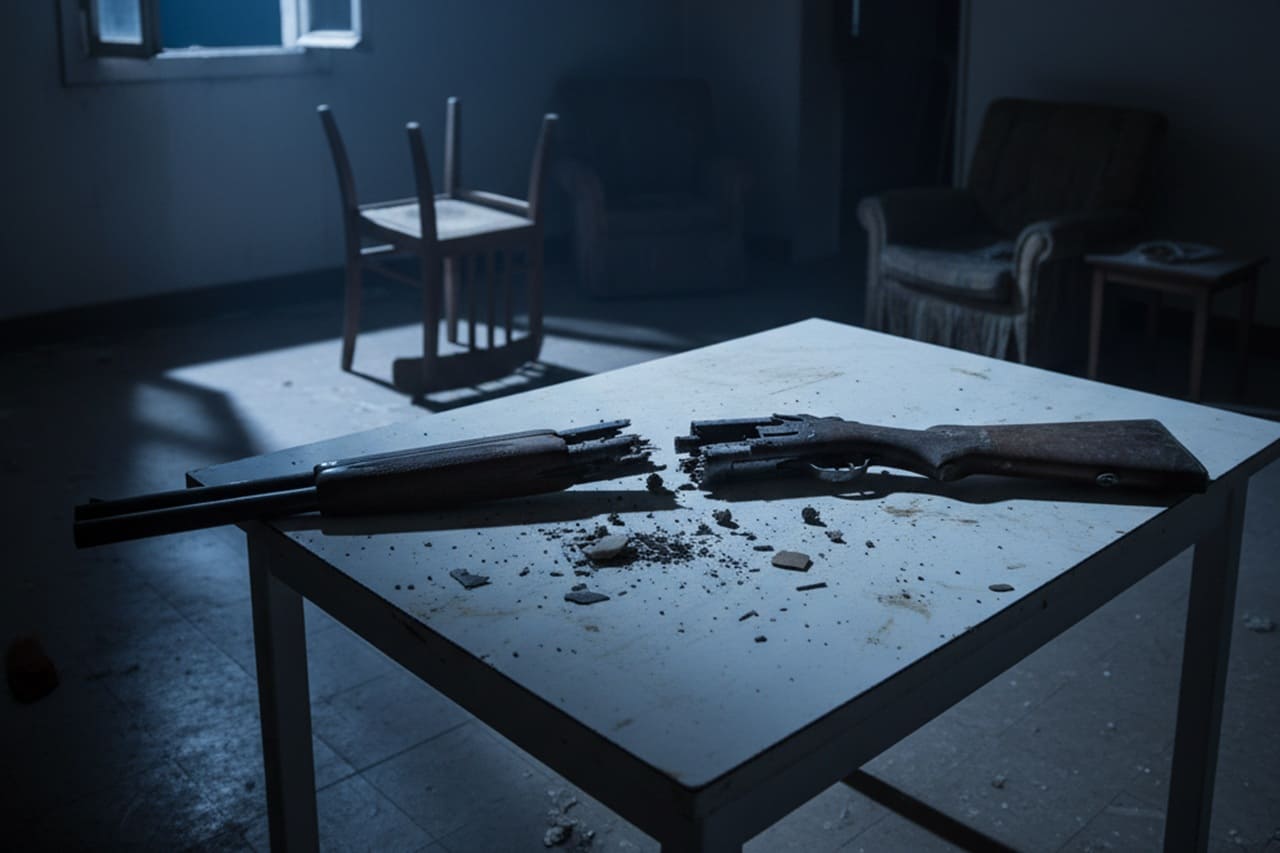
Firearms play a significant role in homicides in Switzerland. While the use of firearms in homicides has declined overall over the past three decades, the decrease in the domestic sphere has been considerably smaller. The study, commissioned by the FOGE, analyses the backgrounds of these firearm homicides in Switzerland.
The study is a follow-up measure to postulate 19.3618 Graf Maya “Stopping femicides in the domestic environment. Report on the causes and a catalogue of measures against femicides in Switzerland”. The Federal Council had tasked the FOGE, among other things, with examining the origin and acquisition of firearms used in homicides. The study was conducted by the University of St. Gallen and serves as a basis for reviewing existing protective measures and further reducing the misuse of firearms.
Sociodemographic Characteristics of Perpetrators and Victims
The perpetrators of domestic firearm killings are almost exclusively men (of 41 perpetrators between 2015 and 2022, one was female). Those over 60 are clearly overrepresented, meaning the average age is significantly higher than in domestic killings without firearms or in non-domestic firearm killings. Also notable is that the proportion of perpetrators with Swiss citizenship in domestic firearm killings is twice as high as in domestic killings without the use of firearms. The study identifies a possible factor in this: Swiss men more frequently own a firearm due to military service than men without Swiss citizenship.
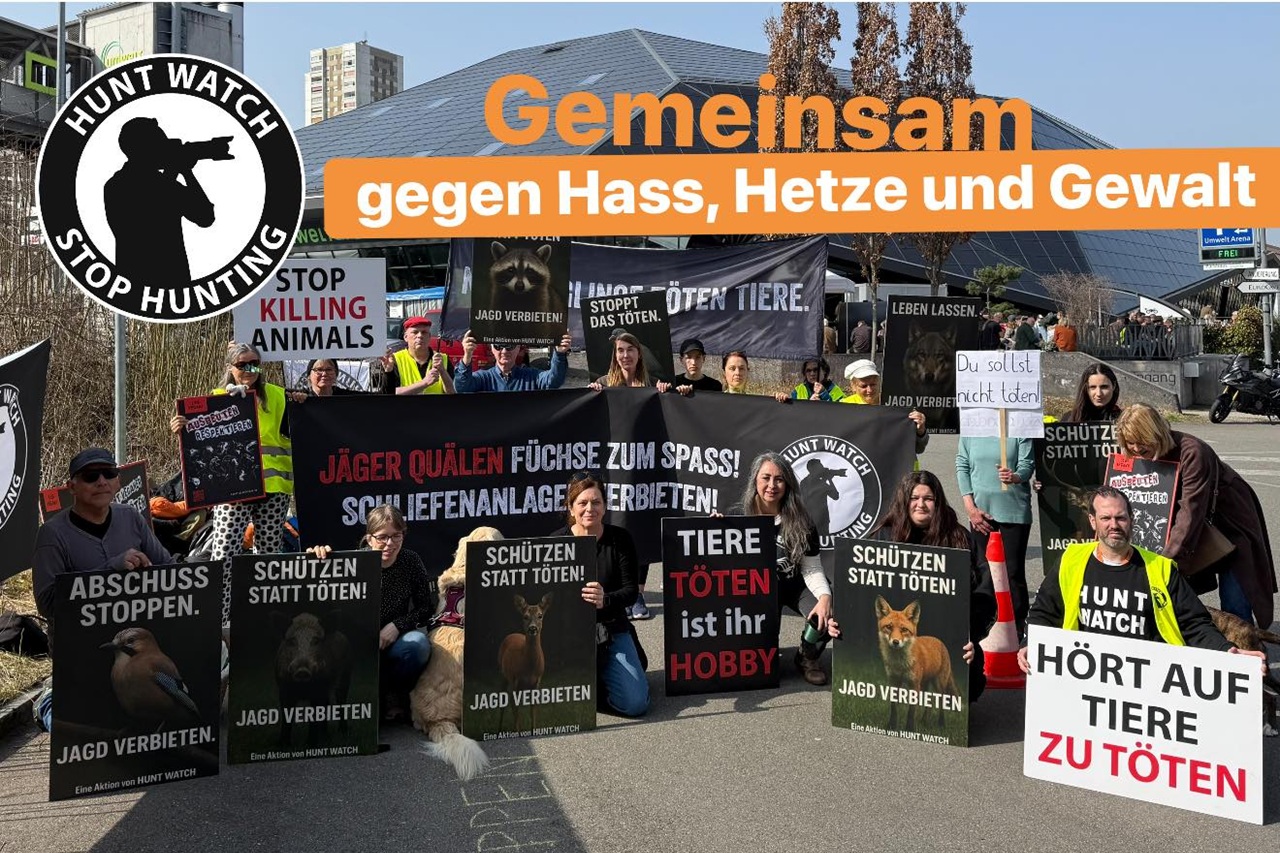
Legal firearm ownership is more widespread due to a pronounced hunting subculture. Time and again, gangs of hobby hunters in Switzerland are reported for illegal possession of and trafficking in firearms . According to countless cases and studies, there is a link between violence against animals and violence against humans. More on the psychology of hobby hunting and on criminality in the context of hobby hunting.
Which weapons were actually used in domestic killings cannot, however, be conclusively determined. The study points to gaps in this regard: information on the legality and origin of firearms was often missing in cases of domestic homicide, even though this data would be critical for better risk analysis.
An important characteristic of domestic firearm killings is the high proportion of cases in which the perpetrator takes their own life after the act (so-called homicide-suicides): between 2015 and 2022, this applied to 61 percent of all cases of homicide involving firearms, with all perpetrators being male.
The analysis further shows that the victims of domestic firearm killings are predominantly female. The victims are also on average older than in domestic killings without firearms or in non-domestic firearm killings, and more frequently hold Swiss citizenship than victims of domestic killings without firearms.
Recommendations and Next Steps
Among other things, the study recommends enhanced prevention measures for elderly individuals and emphasizes the importance of close cooperation between authorities and various stakeholders, as well as raising their awareness. Those addressed include immediate social circles, hospitals, and care facilities. It is further recommended that law enforcement authorities place greater focus on the recording and documentation of firearm-related information, in order to establish a better basis for analyzing risk factors and prevention measures. Additionally, in cases involving warning signs, the confiscation of a firearm under Article 31 of the Weapons Act should be consistently examined by the authorities. The Federal Office for Gender Equality will incorporate the study findings into the ongoing work on the prevention of gender-based violence and will further strengthen cooperation with cantonal and intercantonal authorities.
More on this in the dossier: Psychology of Hunting
In the view of IG Wild beim Wild, hobby hunters require annual medical-psychological fitness assessments modeled on the Dutch approach, as well as a binding upper age limit. The largest age group among hobby hunters today is 65+. Within this group, age-related limitations such as declining vision, slowed reaction times, lapses in concentration, and cognitive deficits increase statistically and significantly. At the same time, accident analyses show that the number of serious hunting accidents involving injuries and fatalities rises significantly from middle age onward.
The regular reports of hunting accidents, fatal errors, and the misuse of hunting weapons highlight a structural problem. The private ownership and use of lethal firearms for recreational purposes largely evades continuous oversight. From the perspective of IG Wild beim Wild, this is no longer justifiable. A practice based on voluntary killing that simultaneously generates considerable risks for humans and animals loses its social legitimacy.
Recreational hunting is furthermore rooted in speciesism. Speciesism describes the systematic devaluation of non-human animals solely on the basis of their species membership. It is comparable to racism or sexism and can be justified neither culturally nor ethically. Tradition is no substitute for moral scrutiny.
Critical scrutiny is essential, particularly in the realm of recreational hunting. Few other fields are so thoroughly shaped by euphemistic narratives, half-truths, and deliberate disinformation. Where violence is normalized, narratives frequently serve the purpose of justification. Transparency, verifiable facts, and open public debate are therefore indispensable.