Norway Plans to Abolish Fur Farms
Foxes and minks are bred on Norwegian fur farms to produce around one million pelts per year. Now Prime Minister Erna Solberg of the conservative party has announced that the farms will be closed by 2025 — in order to make the formation of a government possible. This was the only way she could convince the Liberal Party to join her minority government. Following the government's announcement,


Foxes and minks are bred on Norwegian fur farms to produce around one million pelts per year. Now conservative Prime Minister Erna Solberg has announced that the farms will be closed by 2025 – in order to make the formation of a government possible.
This was the only way she could convince the Liberal Party to join her minority government.
Following the government's announcement, producers expressed their anger.
Revenue of up to 51 Million Euros
There are around 200 fur farms in Norway, generating an annual turnover of between 350 million and 500 million Norwegian kroner, which equates to approximately 36 to 51 million euros.
Animal welfare advocates view the decision very differently: they say that an outdated and cruel industry with dwindling appeal among fashion-conscious consumers is finally being abolished. “We are very pleased,” said the head of the Norwegian animal welfare group Noah, Siri Martinsen.
The following video shows how much the overbred animals suffer:
Since the weekend, Norway has had a new center-right conservative government. Three parties – the conservative Høyre, the right-wing populist Frp, and the liberal Venstre – have once again formed a minority government. This is dependent on the support of the Christian KrF. Coalition talks had only begun on 2 January and lasted just twelve days. “We will find good, shared solutions for Norway,” said Solberg afterwards. The goal must be for Norway to become the best country in the world to live in.
Fashion Houses Are Increasingly Shunning Fur







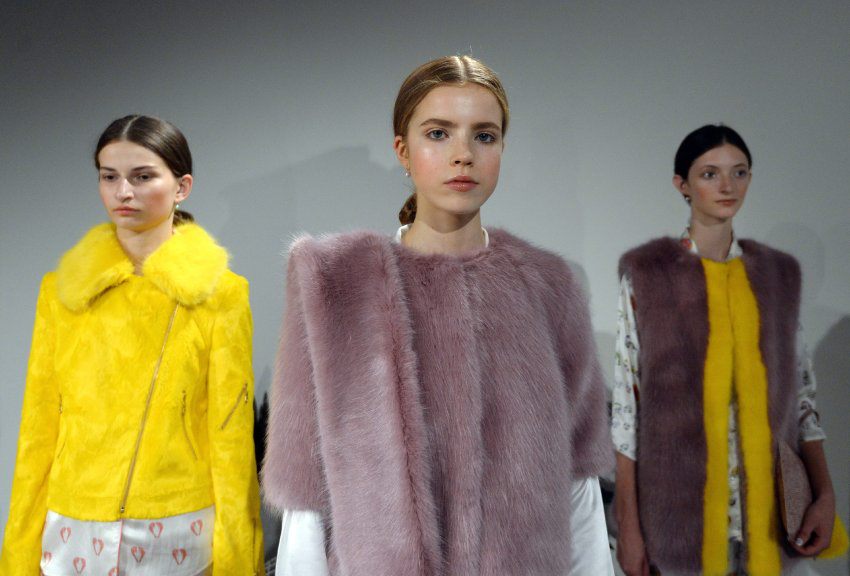
The number of fur production sites in Norway peaked in 1939: with nearly 20’000 farms, the Scandinavian country dominated the global market. By 2013, however, Norway produced only about three percent of the 7.3 million fox pelts and just one percent of the 72.6 million mink pelts worldwide. China had taken over market dominance with 69 percent.

Overbred animals on fur farms
According to the animal welfare organization Humane Society International, Norway is the 14th European nation to phase out fur farming.
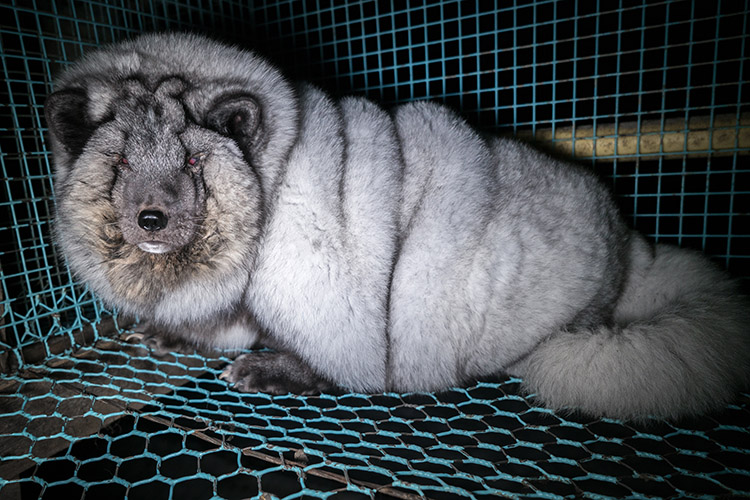
Just a few months ago, animal rights activists discovered severely overbred silver foxes on Finnish fur farms, including a “monster fox” weighing 20 kilograms. In the wild, silver foxes weigh around 3.5 kilograms. The Swedish government had recently announced plans to investigate the welfare of mink on Sweden’s fur farms. In Germany, the Bundestag and Bundesrat voted in June 2017 in favor of stricter husbandry requirements for fur farms.
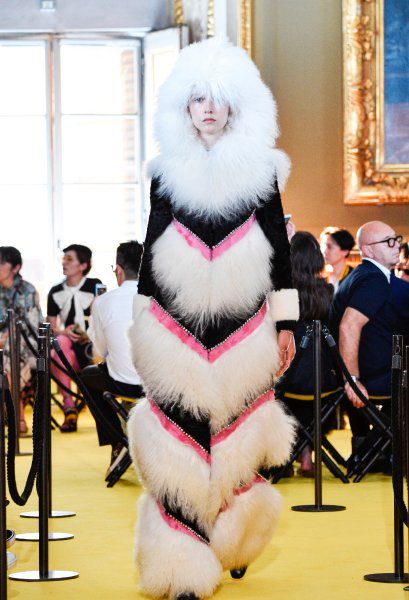
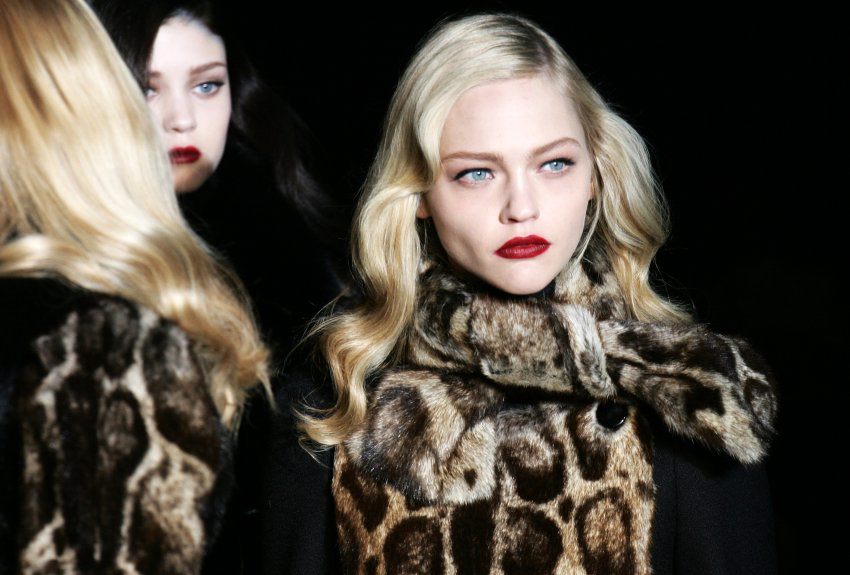
But it is not only the fur industry that is rethinking its practices — the fashion sector is doing so as well. For example, Gucci joined a growing number of fashion houses last year in banning fur from their collections, as did Net-a-Porter. They have come under increasing pressure from animal welfare advocates and have adapted to the changing tastes of their customers. Read more on the topic under Animal Rights on wildbeimwild.com.