Study: Crabs and Lobsters Feel Pain
Have you ever wondered whether crustaceans and lobsters experience pain or fear when they are boiled alive before ending up on your plate?

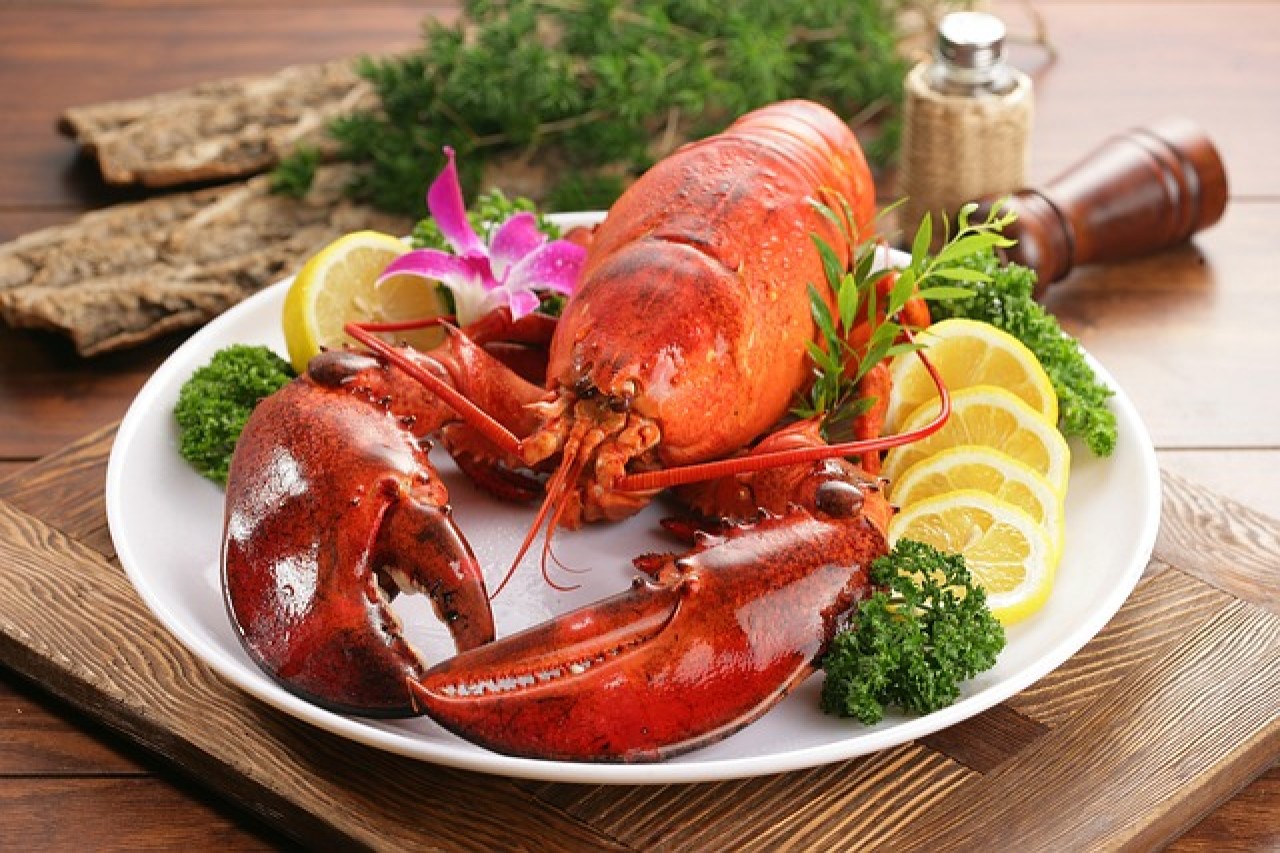
Recent studies suggest that these animals experience discomfort in ways we have not previously fully understood.
Dr. Lynne Sneddon, zoophysiologist at the University of Gothenburg, is convinced that it is time to reconsider the way we treat these animals.
We need to find less painful methods of killing shellfish if we wish to continue eating them. Because we now have scientific evidence that they feel pain and respond to it, she says.
Understanding crustaceans — the basics
Crustaceans have inhabited the Earth for over 500 million years.
They first appeared in the Cambrian, a period known as the “Cambrian Explosion,” during which many major animal groups emerged.
Early crustaceans already exhibited the key characteristics we know today, such as their hard exoskeletons, segmented bodies and jointed limbs.
This long evolutionary history has allowed them to diversify into thousands of species and adapt to a wide variety of environments, from the deepest parts of the oceans to freshwater rivers and even some terrestrial habitats.
Crustaceans such as crabs and lobsters are more than mere delicacies from the sea. These fascinating creatures possess a hard exoskeleton made of chitin, which provides them with protection and support.
With their ten legs, often equipped with claws or pincers, they move effortlessly through their environment.
Their body is divided into head, thorax and abdomen, and they possess specialised appendages for swimming, walking or burrowing.
These adaptable animals can be found almost everywhere: from the deepest ocean trenches to freshwater rivers and damp spots on land.
Crabs, pain and perception
Until now, the assumption that crustaceans feel pain was based primarily on observational studies.
Researchers found that crabs and lobsters, when exposed to potentially harmful stimuli – such as electric shocks or acids – would touch the affected area or attempt to avoid the danger in subsequent encounters.
This behaviour led many to assume that they might be capable of feeling pain.
The team at the University of Gothenburg went one step further. Doctoral student Eleftherios Kasiouras led a study in which they measured brain activity in a shore crab using EEG-like recordings.
Electrodes to measure brain activity were attached to a shore crab, which was then exposed to mechanical and chemical stimuli.
"We were able to determine that the crab has a type of pain receptor in its soft tissue, as we recorded an increase in brain activity when we applied a potentially painful chemical, a type of vinegar, to the crab's soft tissue. The same occurred when we applied external pressure to various parts of the crab's body," he explains.
These findings suggest that shore crabs possess a pain signalling system that sends messages to their brain when they experience harmful stimuli.
Interestingly, the pain response to physical stress was shorter and more intense, while chemical stress produced a longer-lasting effect.
If crabs feel pain, what about lobsters?
Since many crustaceans share similar structures and nervous systems, these findings may not apply exclusively to shore crabs.
"It is clear that all animals need some kind of pain system to avoid danger. I do not think we need to test every species of crustacean, as they share a similar structure and therefore similar nervous systems," explains Kasiouras.
"We can assume that shrimps, crayfish and lobsters are also capable of transmitting external signals about painful stimuli to their brains, which then process this information."
The significance of crustaceans
Crustaceans play an important role in their ecosystems. They are both predators and prey, and help to maintain the balance of food chains in marine and freshwater environments.
However, problems such as overfishing and habitat destruction threaten their populations. This raises concerns about sustainability and the need for better practices to ensure these creatures thrive for future generations.
Rethinking the Way We Handle Seafood
Currently, crustaceans such as shrimp, lobsters, crabs, and crayfish are not covered by animal welfare regulations in the European Union.
This means that practices that could cause them pain are still legally permissible. However, as new evidence emerges that they may be capable of feeling pain, calls for a change in the way these animals are treated are growing louder.
Dr. Sneddon underscores the need for change: “We need more research to develop less painful killing methods.»
If we continue to consume these animals, it is essential that we ensure we are not causing them unnecessary suffering.
This is alarming, but what can we do?
The first step is to acknowledge that these animals may be capable of feeling pain, much like we do.
With this understanding, industry and regulators can work towards introducing more humane methods for the handling and killing of crustaceans.
This could include the development of new technologies or techniques that minimise pain or distress.
Consumers also have a role to play. By supporting companies that prioritise humane practices and advocating for better regulations, we can encourage a shift towards more ethical treatment of these animals.
Crabs, Pain, and Human Compassion
The more we learn about the creatures we share our planet with, the more important it becomes that we adapt our behaviour accordingly.
Knowing that crabs, lobsters, and other crustaceans may be capable of feeling pain changes the way we should treat them, particularly when it comes to cooking and handling.
It is not merely about following laws or guidelines – it is about being mindful and compassionate in our everyday decisions and treating sentient beings with respect.
By supporting humane practices and staying informed, we can help ensure that all crustaceans are treated with the respect they deserve, having lived on our planet for over 500 million years.
As we move forward, both industry and individuals must play a role. After all, the way we treat the smallest creatures often reflects our values as a society, warns IG Wild beim Wild.
| You can help all animals and our planet with compassion. Choose compassion on your plate and in your glass. Go vegan. |