
Sample text: Ban on high-tech hunting methods
1. Motion
The Government Council is instructed to submit to the cantonal parliament a proposal for amending the Law on Hunting and Wildlife Protection (... law designation ...) as well as the Hunting Ordinance (... ordinance designation ...) by which the use of high-tech devices in hobby hunting is banned or strictly regulated in canton (...). The law revision must particularly ensure that
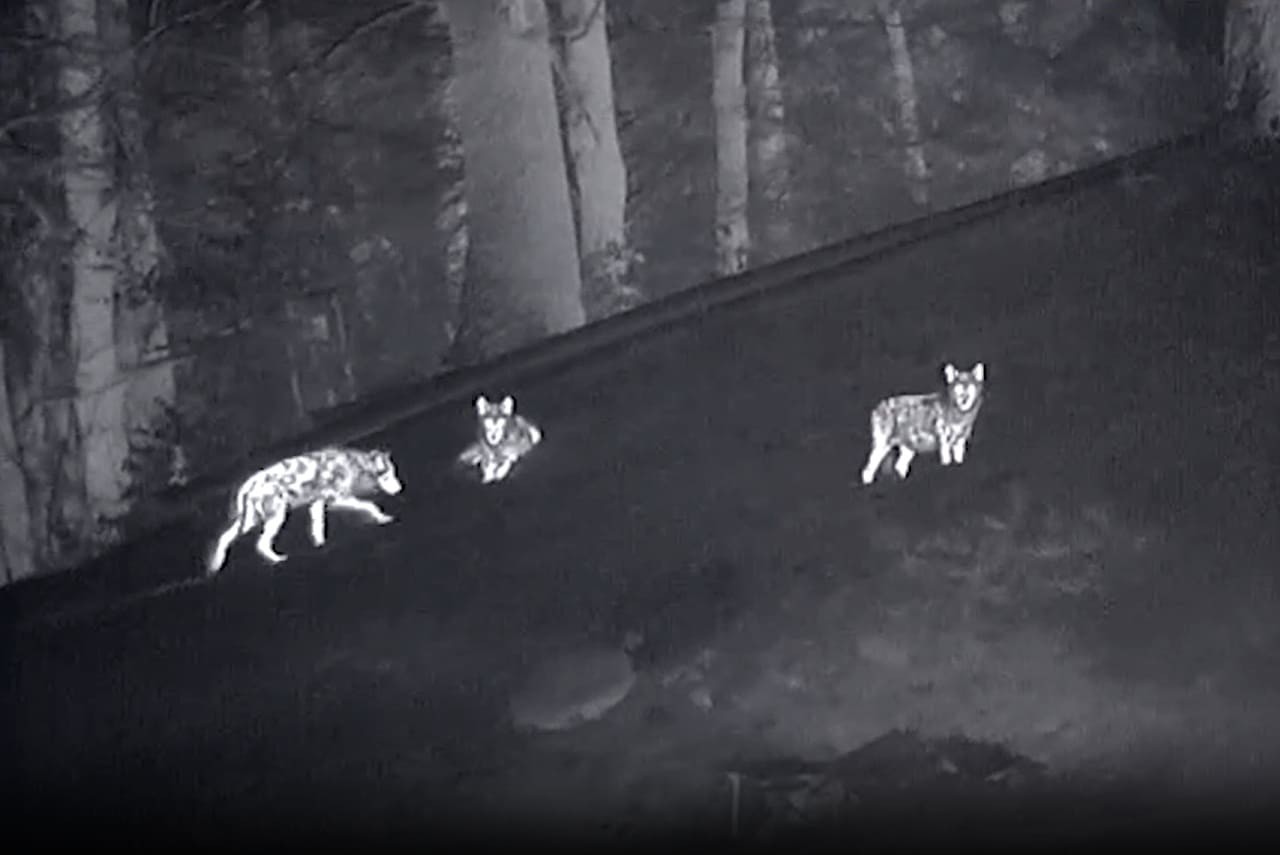
- the use of thermal imaging cameras, night vision devices and night sighting optics in hobby hunting is fundamentally prohibited
- the use of drones, multicopters and remote-controlled aircraft for tracking, locating or driving wildlife for hunting purposes is forbidden
- the use of digital call devices, electronic wildlife cameras with live transmission and GPS tracking collars that transmit wildlife movements to hobby hunters in real-time is prohibited
- exceptions apply exclusively to state game wardens and for scientific research projects
In particular, it must be legally regulated that
- violations are considered serious hunting offenses and are punished with license revocation for at least five years
- the cantonal hunting supervision conducts regular and unannounced inspections
- the Government Council periodically reviews the development of new hunting technologies and expands the ban list as needed
2. Brief justification
The high-tech armament of hobby hunting has reached a scale that has nothing to do with the traditional notion of «fair chase hunting». Thermal imaging cameras make wildlife visible in complete darkness. Night sighting optics enable precise shots at night. Drones locate wildlife from the air. This arsenal turns hobby hunting into a technologically armed killing machinery in which wildlife no longer has a realistic chance of escape.
From an animal welfare perspective, the use of night vision devices is particularly problematic. Night shots occur under conditions where secure identification of the target animal and avoidance of missed shots are considerably more difficult. The result is increased rates of missed shots and considerable, unnecessary animal suffering.
This motion calls for a comprehensive cantonal ban that would return recreational hunting to what its advocates themselves claim: an engagement on equal terms with nature – not a technologically one-sided overpowering of defenseless animals.