More transparency for animal products – but insufficient for foie gras
The Federal Council is improving the labelling of animal products. In future, meat, eggs and milk must be labelled if they come from animals that have undergone certain painful procedures without anaesthesia.

When purchasing animal products such as meat, milk or eggs, consumers in Switzerland will in future have access to additional information about the method of production.
This will allow them to identify whether these products were produced using painful procedures carried out without prior anaesthesia of the animals. Such procedures include castration or dehorning. Liver and meat from the force-feeding of geese and ducks must also be labelled under the new rules. So-called force-feeding has been banned in Switzerland for over 40 years, but remains permitted abroad. With the new labelling requirements, the Federal Council is increasing transparency for consumers and enabling informed purchasing decisions. To this end, it is amending the Food and Utility Articles Ordinance (LGV) and the Ordinance on Food Information (LIV). The changes will apply from 1 July 2025, with a transitional period of two years.
In general, animal welfare organisations regard the labelling requirement as merely a first step in the right direction – but continue to call for a consistent import ban on the products concerned. This applies in particular to foie gras. The so-called “force-feeding” of ducks and geese has rightly been banned in Switzerland for over 40 years. Tolerating the import of such products remains a contradiction in terms of animal welfare policy. A corresponding popular initiative calling for an import ban is currently under parliamentary consideration.
Overview of the new labelling requirements
The following products must now be labelled:
- Beef from animals, that were castrated or dehorned without anesthesia
- Pork, if castration, tail docking, or teeth clipping was performed without anesthesia
- Eggs and meat from chickens, whose beaks were trimmed without pain elimination
- Milk from cows, where dehorning was performed without pain elimination
- Obtained without anesthesia frog legs
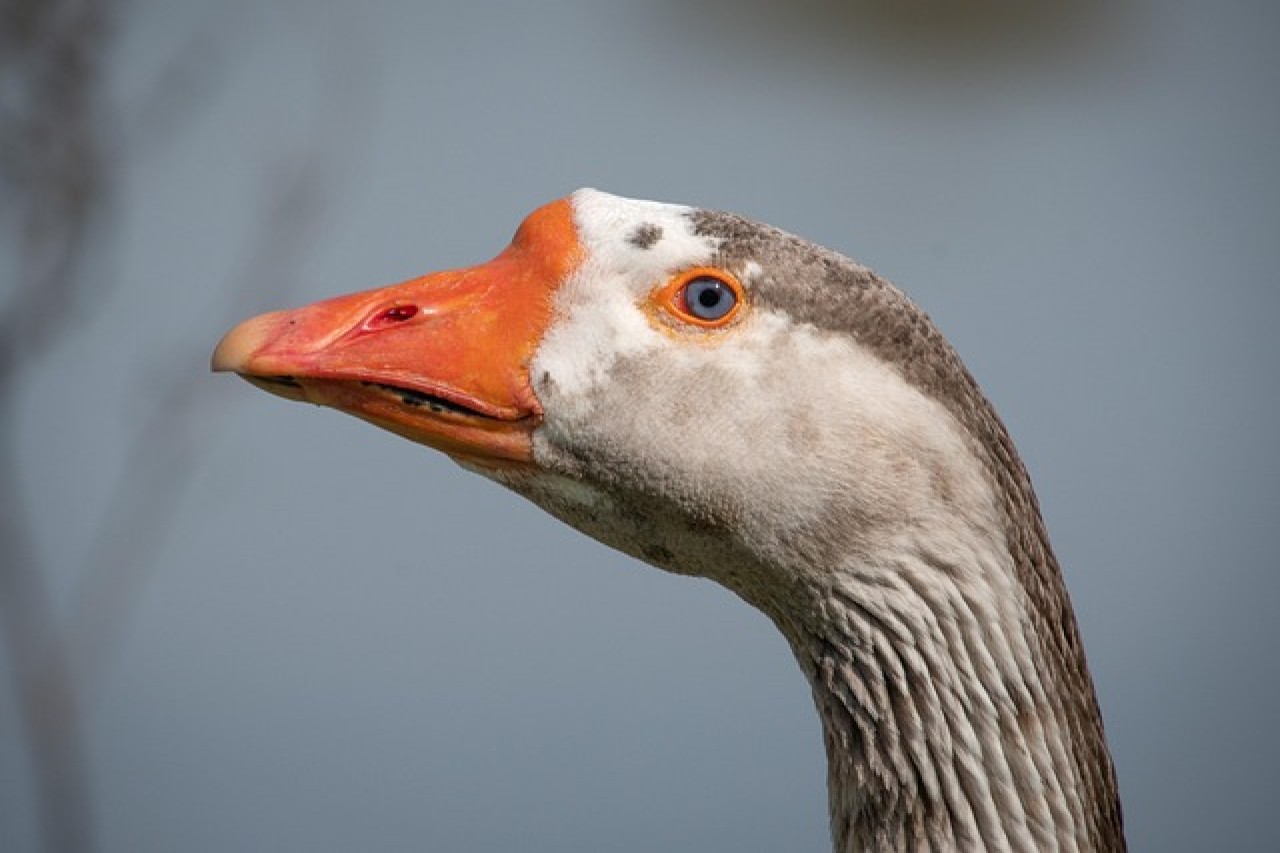
- Liver and meat from geese and ducks from force-feeding
The declaration requirement applies to all businesses that offer the affected food products, such as restaurants or small and retail trade. These must verify within the scope of their own controls whether they are subject to declaration requirements. With the new labeling requirements, the Federal Council is implementing the motion 20.4267 «Declaration of production methods prohibited in Switzerland» submitted by the Committee for Science, Education and Culture of the Council of States (WBK-S), which was referred by Parliament in June 2021.
| You can help all animals and our planet with compassion. Choose mercy on your plate and in your glass. Go vegan. |