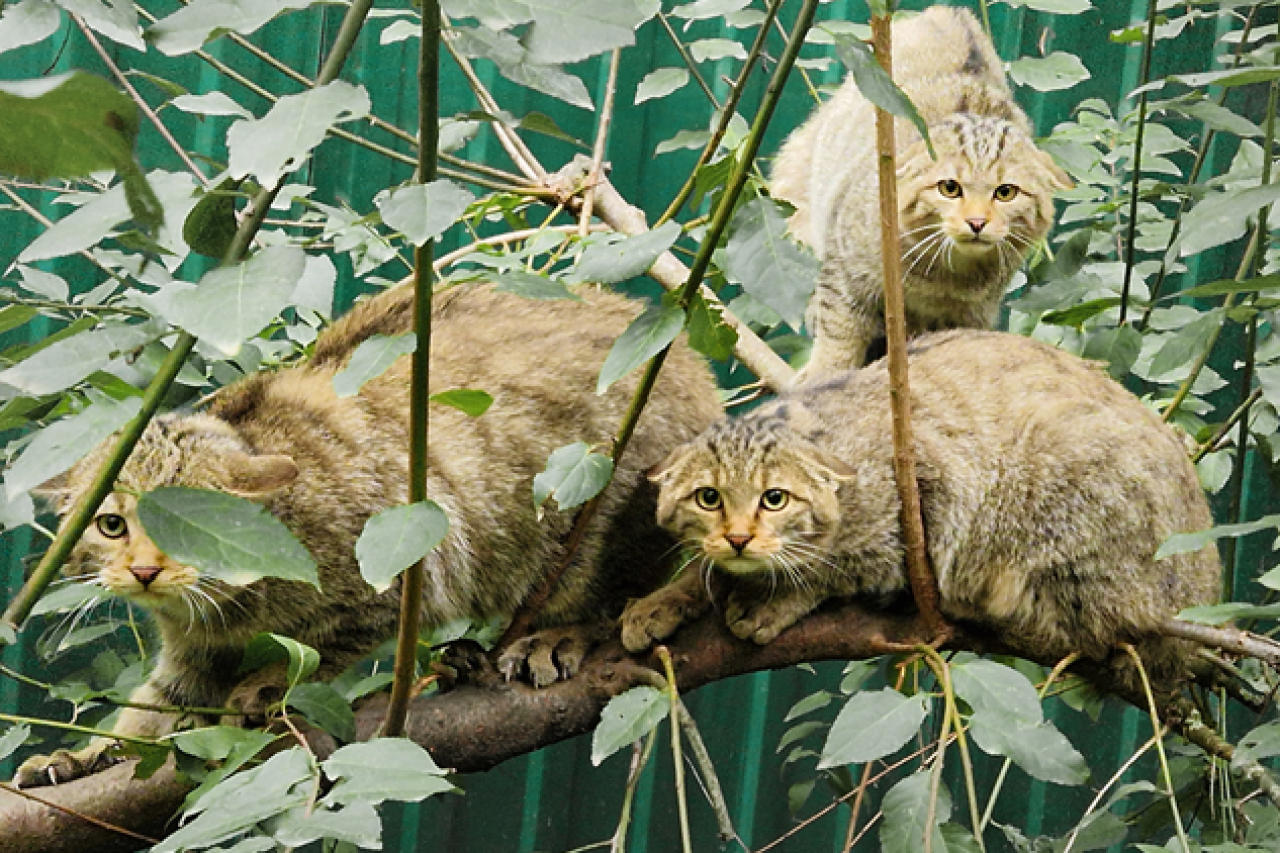
Lynx: International Day on 11 June
On 11 June it is International Lynx Day. The lynx is the largest wild cat in Europe and plays a key role in the ecosystem.


Europe's largest wild cat
The lynx is a fascinating creature and is often referred to as the largest wild cat in Europe.
The tufts of fur several centimetres long on the ears of lynxes are the reason for the designation “ear tufts” for our lynxes. These tufts probably serve to determine wind direction, enabling the animal to stalk its prey even more effectively during the hunt.
After decades of extermination and neglect, the number of lynxes in Europe is finally on an encouraging rise. Conservation projects have helped lynx populations in Europe recover and slowly but surely reclaim their former habitats.
Four species of lynx
There are four species of lynx: the Canadian lynx, the Eurasian lynx, the bobcat and the Iberian lynx. Lynxes are therefore found in Europe, Asia and North America. Lynxes live in forested areas and have adapted very well to cold temperatures. The Iberian lynx (Lynx pardinus), also known as the Iberian lynx, is a very rare lynx native to Spain and Portugal, largely due to hunting pressure. Another threat endangering the survival of the Iberian lynx is the population of rabbits, which represent its primary prey and have also declined sharply due to hunting. The Iberian lynx is one of the most endangered wild cat species in the world.
Lynxes are outstanding hunters and can catch a wide variety of wild animals, including deer, roe deer and rodents. Although they are primarily at home in forested areas, lynxes are also occasionally spotted in the mountain regions of Europe.
Growing awareness of the need to protect the environment and its inhabitants has contributed to this positive development in lynx populations across Europe. Restoring the balance in the ecosystems in which they live is of paramount importance, and the recovery of lynx populations is a significant step in the right direction.
Overall, the recovery of the lynx population in Europe is a sign that environmentally conscious measures and efforts to conserve and restore wildlife can be successful. The preservation of biodiversity and animal habitats is a shared responsibility, and it is important that we all work together to protect and preserve nature. More on the topic of species conservation and biodiversity.
| You can help all animals and our planet with compassion. Choose compassion on your plate and in your glass. Go vegan. |