Lidl sources chicken meat from horror farms
Lidl sources chicken meat from horror farms. Undercover footage documents severe animal cruelty at the discounter's suppliers.

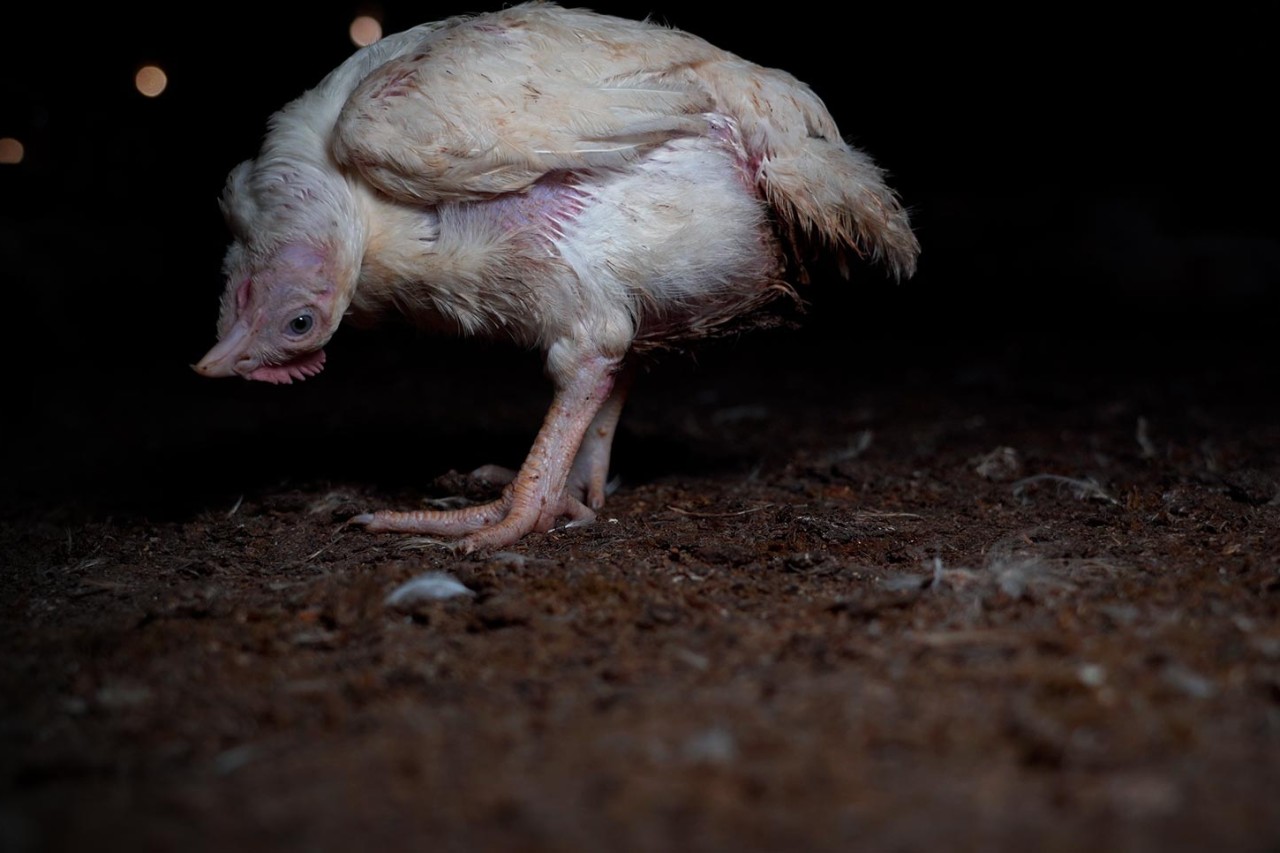
Several charities and NGOs have spoken out against Lidl after a secretly recorded video was released showing chickens living under cruel conditions.
The video documents animal cruelty: deformed, dying and distressed chickens, roughly handled and left to suffer and die, crammed side by side in a dysfunctional shed without daylight.
This house of horrors is linked to Lidl's German chicken supplier — suggesting that despite the animal welfare goals Lidl claims to pursue (at least on the company's website in England), words simply do not match what the chickens in their supply chains actually experience.
NGOs call for signing of the European Chicken Commitment
In response to the footage, several charities and non-governmental organisations (NGOs) have taken a stand against the company, pressuring them to sign the European Chicken Commitment.
The European Chicken Commitment or Better Chicken Commitment is a policy that sets minimum standards for a healthier and happier life for chickens. These include maximum stocking densities, improved environmental standards and much more. Companies also commit to implementing these standards by 2026.
So far, companies such as Itsu, IKEA and Dr. Oetker have committed to the ECC — and it is important that Lidl does the same, so that no more chickens have to suffer and die under appalling conditions.
Factory farming as a health risk
Equalia is one of the voices speaking out most loudly against Lidl's chicken scandal. They point out that the appalling conditions these chickens are subjected to are not only terrible for their welfare, but that their mistreatment is also unsustainable and unsafe, as practices such as high stocking densities may contribute to transmissible viruses and the AMR crisis. Sign the petition and urge Lidl to commit to the ECC and eliminate unnecessary risks and suffering from its European supply chain.
Broad Alliance for Higher Standards
Animal Equality is also taking a stand. Together with 20 other European animal welfare organisations, they are insisting that Lidl adopt the ECC so that the company can be held accountable for the way it treats its broiler chickens. Essere Animali is taking similar steps and recently published a press release:
«In the coming days we will carry out social and street actions to inform consumers about the issues of animal suffering related to the chicken products offered in Lidl stores. We are determined to ask the company for a concrete commitment to improve conditions for the broiler chickens raised on farms in its supply chain.»
Like Equalia, the Essere Animali website also features a petition calling on Lidl to commit to the ECC. The case illustrates how the animal rights movement is increasingly stepping up pressure on major corporations.