Trophy hunter kills research lion in Zimbabwe
The killing of a collared lion involved in a research project in Zimbabwe by a trophy hunter has been condemned by wildlife organizations, recalling the notorious case of Cecil the lion, whose death at the hands of an American tourist in the same country a decade ago sparked international outrage.

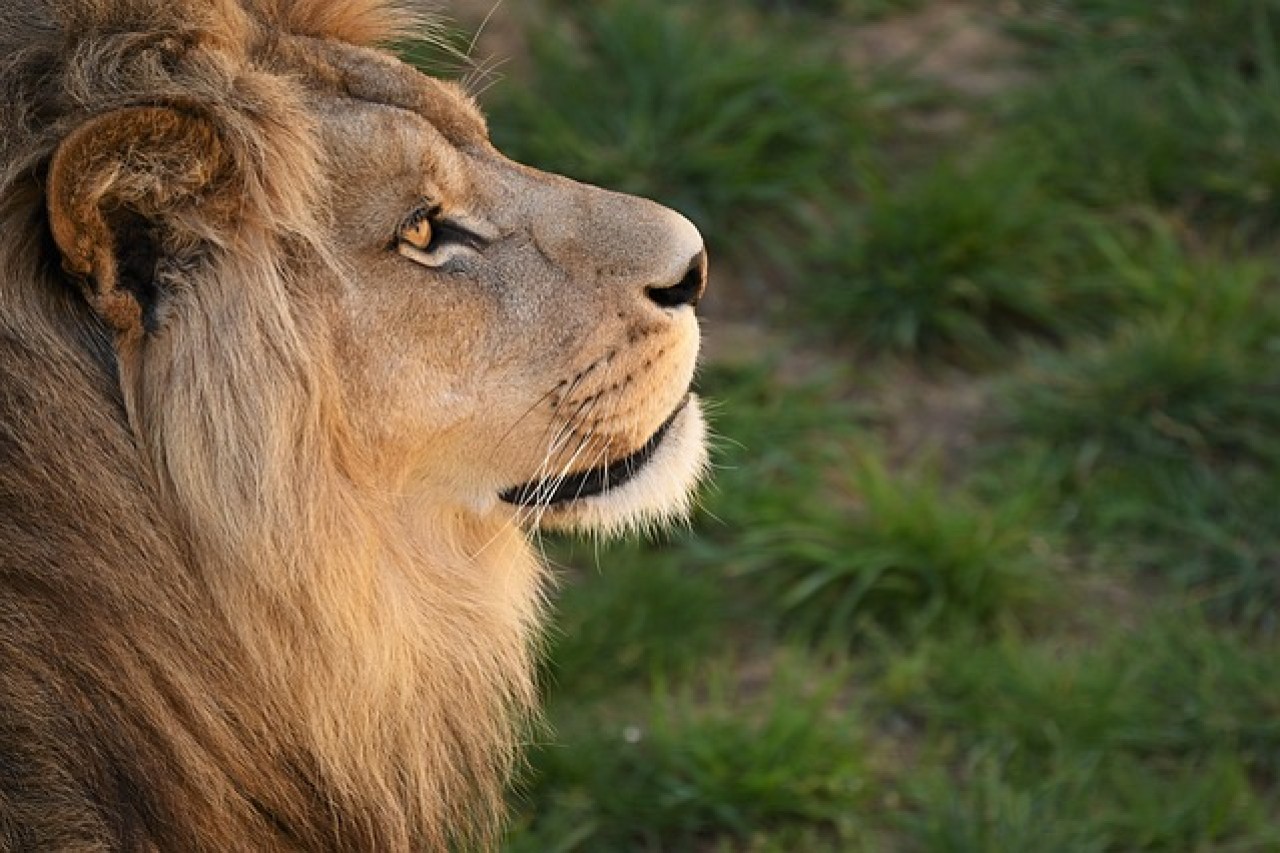
The young lion, Blondie, was part of a study by the University of Oxford and wore a research collar sponsored by Africa Geographic, a safari company.
According to Africa Geographic, Blondie was killed in June near Hwange National Park by a hobby hunter after being lured out of a protected area into a nearby hunting concession using bait.
In Zimbabwe, up to 100 lions may be hunted per year.Trophy hunters, who are typically foreign tourists, pay tens of thousands of dollars to kill a lion and take the head or hide as a trophy.
The managing director of Africa Geographic, Simon Espley, said the killing of Blondie was a “mockery of the ethics” that trophy hunters allegedly subscribe to, as he was wearing a clearly visible research collar and was a breeding-age male in his prime. Hunters claim that they only target aging, non-breeding lions.
Lion hunting is a divisive issue, even among conservationists. Some argue that, when well managed, it generates revenue that can be reinvested in conservation. Others want the killing of wildlife for sport to be banned entirely.
In some African countries such as Kenya, commercial hunting is banned, while in others such as Zimbabwe and South Africa it is permitted. Botswana lifted a hunting ban six years ago.
The killing of Cecil in 2015 sparked intense outrage against Walter Palmer, a dentist from Minnesota and trophy hunter who had lured the lion out of the same national park in Zimbabwe and shot it with a bow before tracking it for hours and finally killing it. Cecil, whose head and skin were severed and taken as a trophy, was also involved in a research project at the University of Oxford.
The Zimbabwean authorities initially announced their intention to extradite Palmer for the hunt, which however did not happen, while a hunting guide who had assisted him was arrested.
Zimbabwe's national parks authority states that the country earns approximately 20 million dollars annually from trophy hunting, with a single hunter spending on average 100’000 dollars per hunt — including accommodation and the rental of vehicles and local trackers.
Zimbabwe is home to approximately 1’500 wild lions, of which about one third reside in the vast Hwange National Park. Across Africa, the population of wild lions is estimated at around 20’000. Their numbers are declining, however, due to habitat loss and human conflict. The lion, one of Africa's most iconic species, is currently classified as vulnerable by the International Union for Conservation of Nature.
More on the subject of recreational hunting: In the dossier The Role and Criticism of Recreational Hunters we shed light on the training, power and self-image of recreational hunters. The scientific evidence is presented in the overview Studies on the Effects of Recreational Hunting.
The position of IG Wild beim Wild: IG Wild beim Wild rejects recreational hunting. Our model is the canton of Geneva, which has managed without recreational hunting since 1974: without hunting seasons, without hunting dogs, without driven hunts, without high seats, without the animal cruelty and crime that go hand in hand with hunting season elsewhere. What has worked there for over fifty years disproves every position paper by JagdSchweiz. An association that bases its policy on claims it refutes in its own documents is not a professional organisation, but a factory for misinformation.