Canton Schwyz: Livestock remained unharmed by bear, wolf and lynx
No verifiable damage to livestock from bear, wolf and lynx during the alpine season in Canton Schwyz. The positive conclusion shows: coexistence with predators is possible. More on predators in Switzerland.


No verifiable damage to livestock from predators during the alpine season in Canton Schwyz.
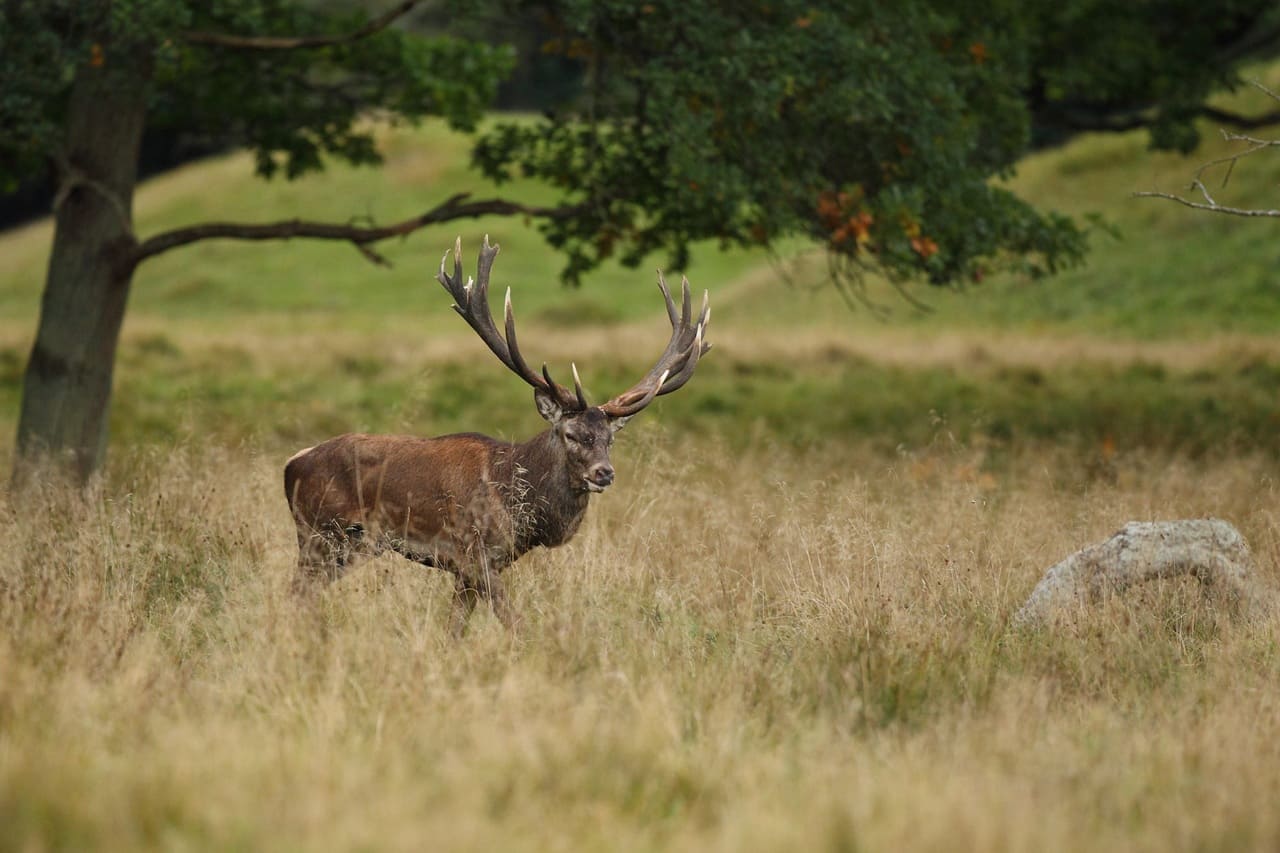
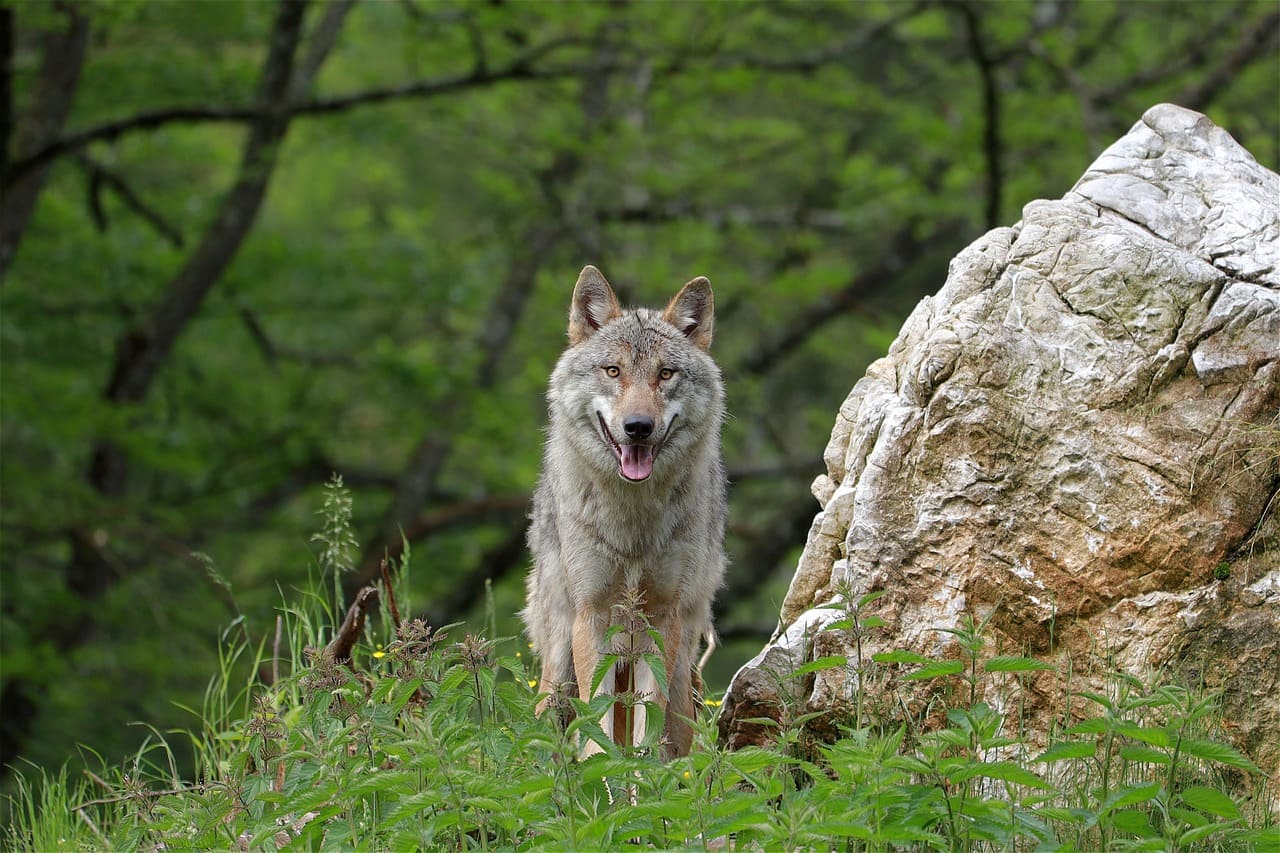
With the alpine season now over, it is possible to draw conclusions from the first experiences with predators in connection with summer farming operations in Canton Schwyz. In addition to the bear that paid the canton a brief visit in spring, before the livestock were driven up to the alpine pastures, there were several indications throughout the year of the presence of wolf and lynx. No losses of livestock could be directly linked to the presence of predators.
No damage to livestock
Losses that raised suspicions about the presence of predators were thoroughly investigated by wildlife wardens in cooperation with the owners. The investigations yielded no conclusion as to any direct influence of predators. DNA analyses carried out likewise could not be attributed to any large predator.
Monitoring intensified
Already in spring, in connection with the visit of a brown bear, camera trap monitoring was intensified. Following several indications of a wolf in late summer, monitoring was also intensified in the relevant area, in cooperation with the federal authorities and the responsible specialist agencies. This took place both within Canton Schwyz and across cantonal boundaries in the cantons of Glarus and Uri. The aim of this monitoring is to learn more about the behaviour and presence of predators. In addition, this method allows a great deal of information to be gathered with relatively little effort.
SMS service
The SMS service set up by the Office for Nature, Hunting and Fisheries (ANJF) together with the Office for Agriculture (AfL) as a warning system for predators functioned flawlessly from a technical standpoint. However, the timing of sighting reports was sometimes problematic. The SMS service is ultimately only as good as the quality and timeliness of the reports. It is therefore important that a sighting is reported to the game wardens immediately so that the report can be verified and communicated without delay. In 2017, the AfL will send an information letter to raise awareness among those affected about the correct procedure.
Further Measures
The ANJF has procured a camera trap set and a DNA sample collection set for urgent cases in order to be able to respond even more quickly when needed. In addition, fence sets for a paddock can be obtained from the AfL's herd protection unit. Livestock guardian dogs as a “rapid response team” can also be called upon through the herd protection unit or AGRIDEA.
Prevention
In order to remain proactive on behalf of livestock owners, the ANJF depends on receiving reports about the presence of predators quickly, located as precisely as possible (coordinates/place names), and documented as thoroughly as possible (photo snapshot). This information is of central importance for preventing potential damage.
More on the subject of recreational hunting: In our dossiers on recreational hunting gather fact-checks, analyses and background reports. The scientific evidence is presented in the overview Studies on the Effects of Recreational Hunting.
The position of IG Wild beim Wild: IG Wild beim Wild rejects recreational hunting. Our model is the canton of Geneva, which has managed without recreational hunting since 1974: without hunting seasons, without hunting dogs, without driven hunts, without high seats, without the animal cruelty and crime that go hand in hand with hunting season elsewhere. What has worked there for over fifty years disproves every position paper by JagdSchweiz. An association that bases its policy on claims it refutes in its own documents is not a professional organisation, but a factory for misinformation.