How Did Leo Tolstoy Become an Opponent of Hunting?
Leo Tolstoy, the eminent Russian writer and philosopher, is best known for his works such as “War and Peace” and “Anna Karenina”.

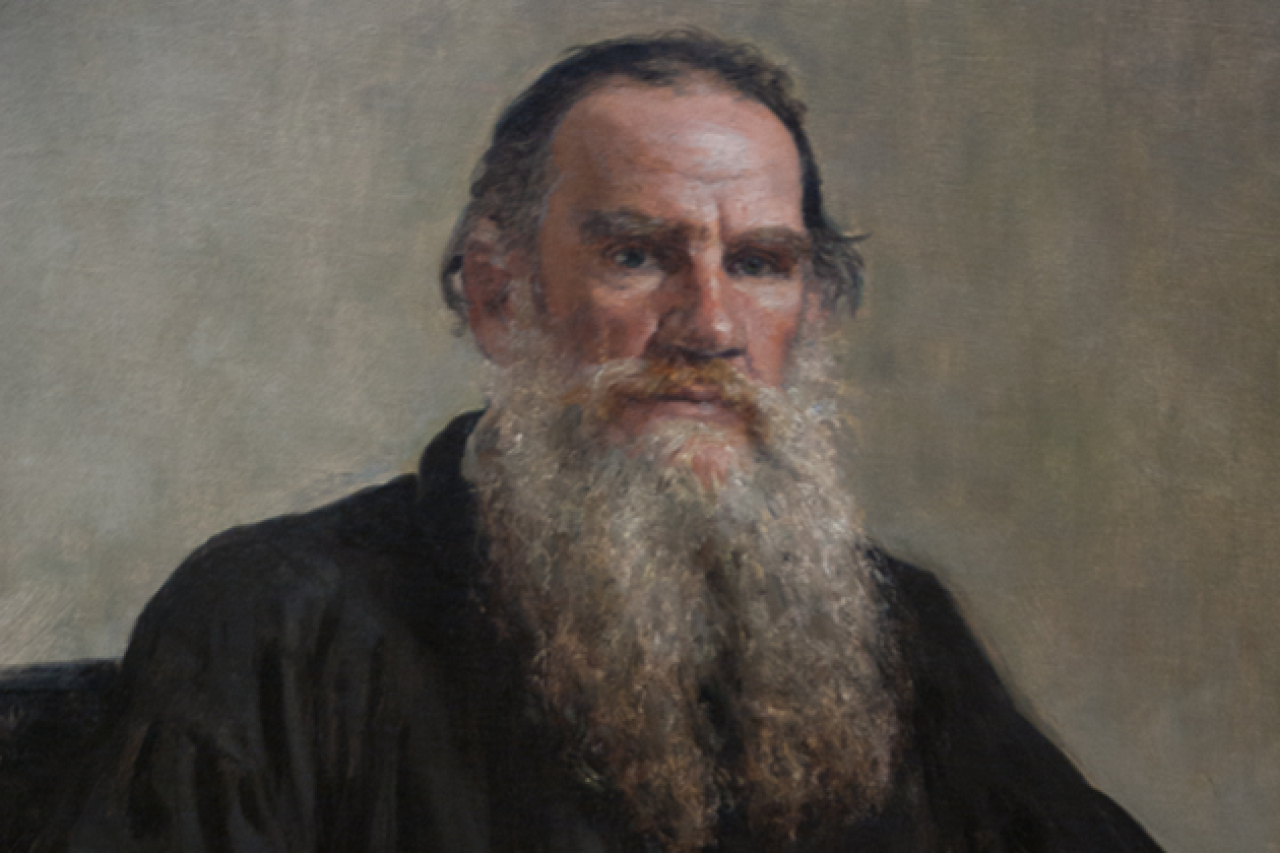
Yet far less known is his profound transformation regarding hunting and the treatment of animals.
In his youth, Tolstoy was an enthusiastic recreational hunter. Hunting was regarded in the Russian aristocracy of that era as a respectable leisure pursuit. Tolstoy himself was naturally active and appreciated the challenges and freedom that came with hunting. This preference was reflected in his early writings, in which he romanticised nature and life in the wilderness.
The decisive turning point in Tolstoy's attitude towards hunting came in the middle of his life. As he gained deeper insights into nature and the principles of life, he began to question the immense ethical issues associated with hunting.
Tolstoy developed an increasingly vegetarian philosophy, shaped by the idea of non-violence. He began to recognise that hunting was not only cruel but also morally questionable. In his later writings, he argued that it was contrary to the fundamental principles of humanity to kill animals merely for pleasure or to pass the time.
The influence of other philosophers and the reading of religious texts also contributed to his thought process. Tolstoy was strongly influenced by the teachings of Jesus, which emphasise love of one's neighbour and respect for all living beings. These teachings led him to the conviction that hunting should be regarded as unethical.
The teachings of Jesus, as handed down in Christianity, encompass a wide range of aspects that are often regarded as the core of his message. These include love of God and one's neighbour, the proclamation of the Kingdom of God, the emphasis on mercy and forgiveness, and the call to repentance and discipleship. His teachings are conveyed through parables and discourses, such as the Sermon on the Mount.
From the 1890s onwards, Tolstoy began to publicly advocate his anti-hunting stance. He wrote essays setting out his views and became involved in the animal protection movement. His influence extended far beyond Russia and inspired many people to reflect on their own attitudes towards hunting and animal welfare.
Leo Tolstoy's journey from passionate hunter to convinced opponent of hunting is a remarkable example of the influence of personal experience and ethical reflection on the transformation of beliefs. His development demonstrates how important it is to critically examine one's own values and actions and to recognise one's responsibility towards other living beings. Tolstoy's convictions live on to this day in the principles of animal protection and non-violence.
More on the subject of recreational hunting: In the dossier The Role and Criticism of Recreational Hunters we shed light on the training, power and self-image of recreational hunters. What the research says about this is shown by Hunting fact-checked: the state of research.
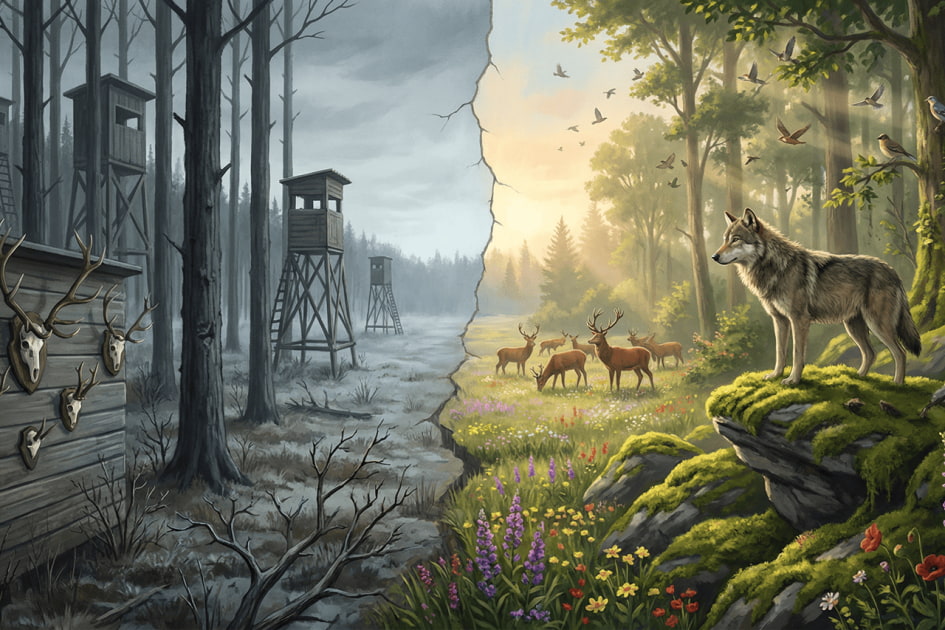
The position of IG Wild beim Wild: IG Wild beim Wild rejects recreational hunting. Our model is the canton of Geneva, which has managed without recreational hunting since 1974: without hunting seasons, without hunting dogs, without driven hunts, without high seats, without the animal cruelty and crime that go hand in hand with hunting season elsewhere. What has worked there for over fifty years disproves every position paper by JagdSchweiz. An association that bases its policy on claims it refutes in its own documents is not a professional organisation, but a factory for misinformation.