German hunting scandal raises questions for Switzerland
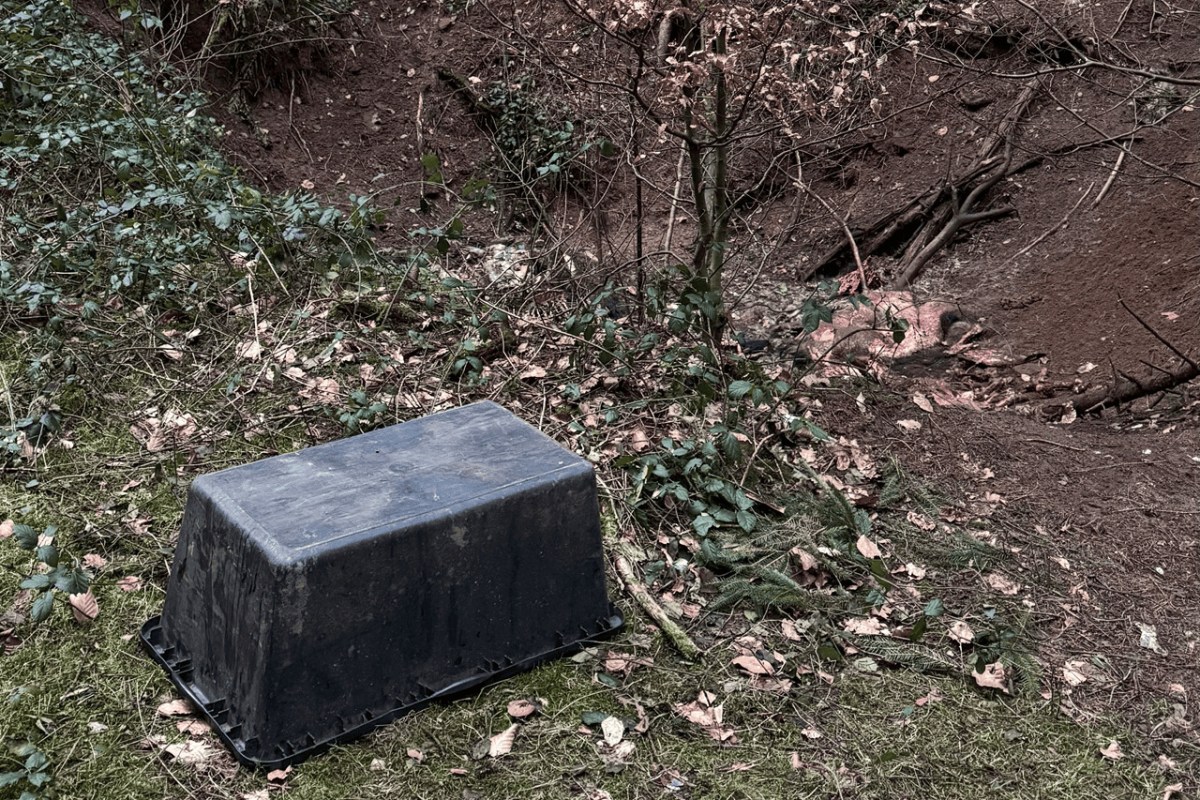
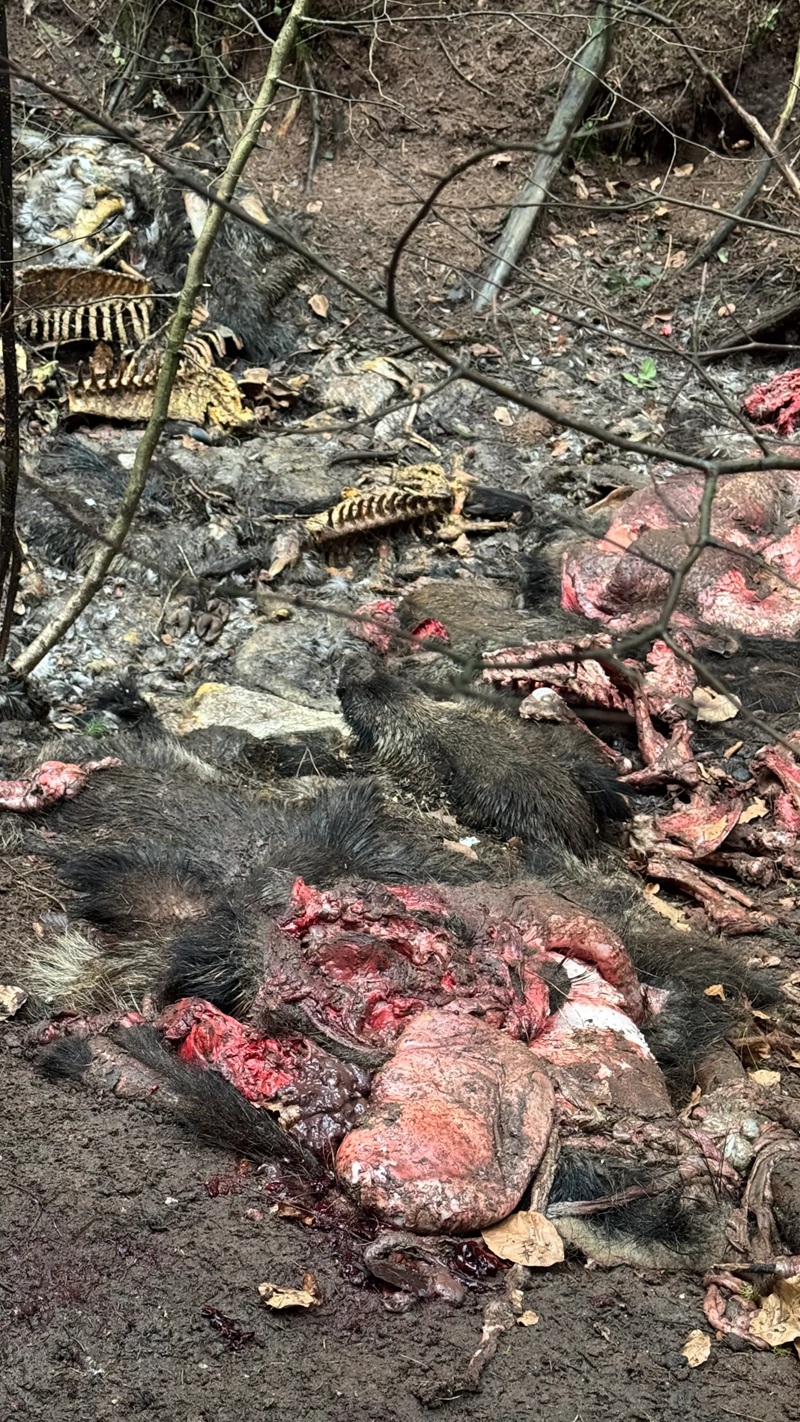
The discovery of several wild boar carcasses in a pit in the Königsbruch nature reserve in Rhineland-Palatinate is attracting attention beyond Germany.

«Sworn»
The animal rights organization PETA filed charges with the competent hunting authority.
The incident raises fundamental questions that are also highly relevant for Switzerland. How are killed wild animals handled? Who actually controls hunting practice? And how credible is the narrative of recreational hunting as an instrument of nature and disease protection?
That wild boar carcasses are disposed of in a nature reserve contradicts the basic principle of protecting habitats. Even if the wild animals were killed as part of recreational hunting, the question remains why carcasses were not properly removed or examined. The case is particularly explosive given the context of African Swine Fever. This is regularly cited by hunting associations as justification for intensive culling. At the same time, the find shows that precisely those standards that would be necessary for disease prevention are apparently not being adhered to in practice by the recreational hunting community.
In Switzerland too, recreational hunting of wild boar is increasingly legitimized with the argument of disease prevention. The concept of population regulation is firmly anchored in hunting policy vocabulary. Critical voices from science and wildlife protection have been pointing out for years that high hunting pressure on wild boar does not lead to sustainable reduction. On the contrary. Through social destabilization and earlier sexual maturity, the population can reproduce more rapidly. This phenomenon is well documented but is often ignored in political debate.
The Königsbruch case makes visible what is also rarely discussed in Switzerland. Recreational hunting does not take place in a vacuum. It leaves traces, both ecological and ethical. The disposal of animal carcasses, the handling of injured animals, the control of culling and compliance with protected area regulations are often subject to self-regulation by the recreational hunting community in practice. Independent controls are rare, transparency is the exception.
This poses an uncomfortable question for Switzerland. If wild boar carcasses can already end up undisturbed in a pit in a German nature reserve, how rigorously is control exercised here? What role do cantonal hunting authorities play when it comes to violations of animal protection, disease control laws or protected area regulations? And how serious is the protection status of wild animals actually, when they are primarily viewed as hunting resources?
The incident also underscores a structural problem. Recreational hunting is often portrayed politically as having no alternative. Criticism is quickly dismissed as ideological. Yet this is about verifiable facts, about enforcement, about ethics and about responsibility. Wildlife protection means more than culling numbers. It begins with respectful treatment of animals, even after their death, and ends with transparent, controlled structures.
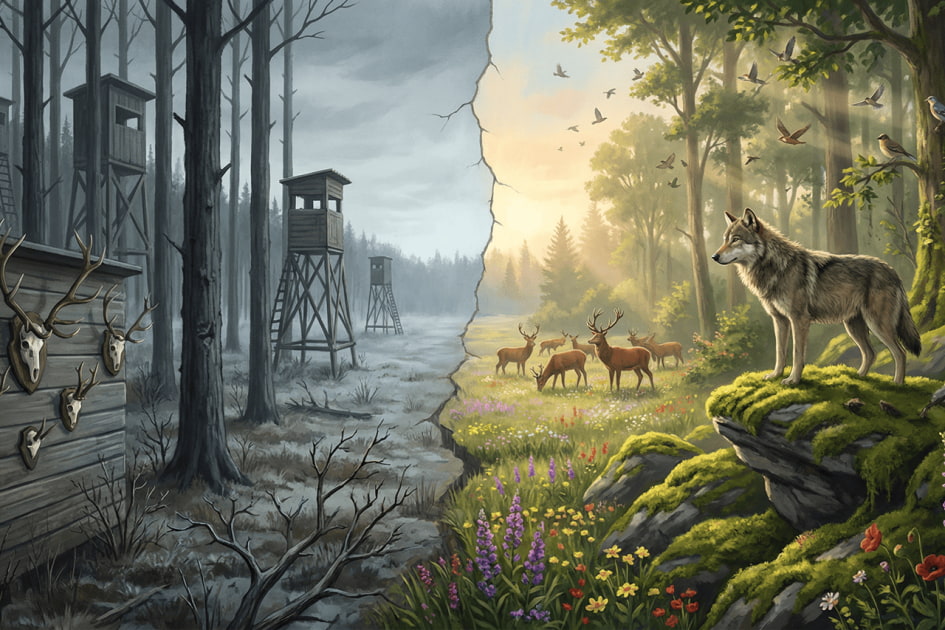
Particularly against the backdrop of ongoing debates about hunting legislation, wolf management and alleged overpopulations, the Königsbruch case should be understood as a warning signal in Switzerland too. Not as an isolated German incident, but as a symptom of a system that is insufficiently questioned.
More on the subject of recreational hunting: In our dossiers on the criticism of recreational hunting gather fact-checks, analyses and background reports. The scientific evidence is presented in the overview Studies on the Effects of Recreational Hunting.
The position of IG Wild beim Wild: IG Wild beim Wild rejects recreational hunting. Our model is the canton of Geneva, which has managed without recreational hunting since 1974: without hunting seasons, without hunting dogs, without driven hunts, without high seats, without the animal cruelty and crime that go hand in hand with hunting season elsewhere. What has worked there for over fifty years disproves every position paper by JagdSchweiz. An association that bases its policy on claims it refutes in its own documents is not a professional organisation, but a factory for misinformation.
Support our work
With your donation you help protect animals and give voice to their concerns.
Donate now →