France: Hobby Hunters' Vehicles Deliberately Damaged
Attacks on hobby hunters' vehicles reignite the debate over an outdated hunting practice and the social climate in rural areas.

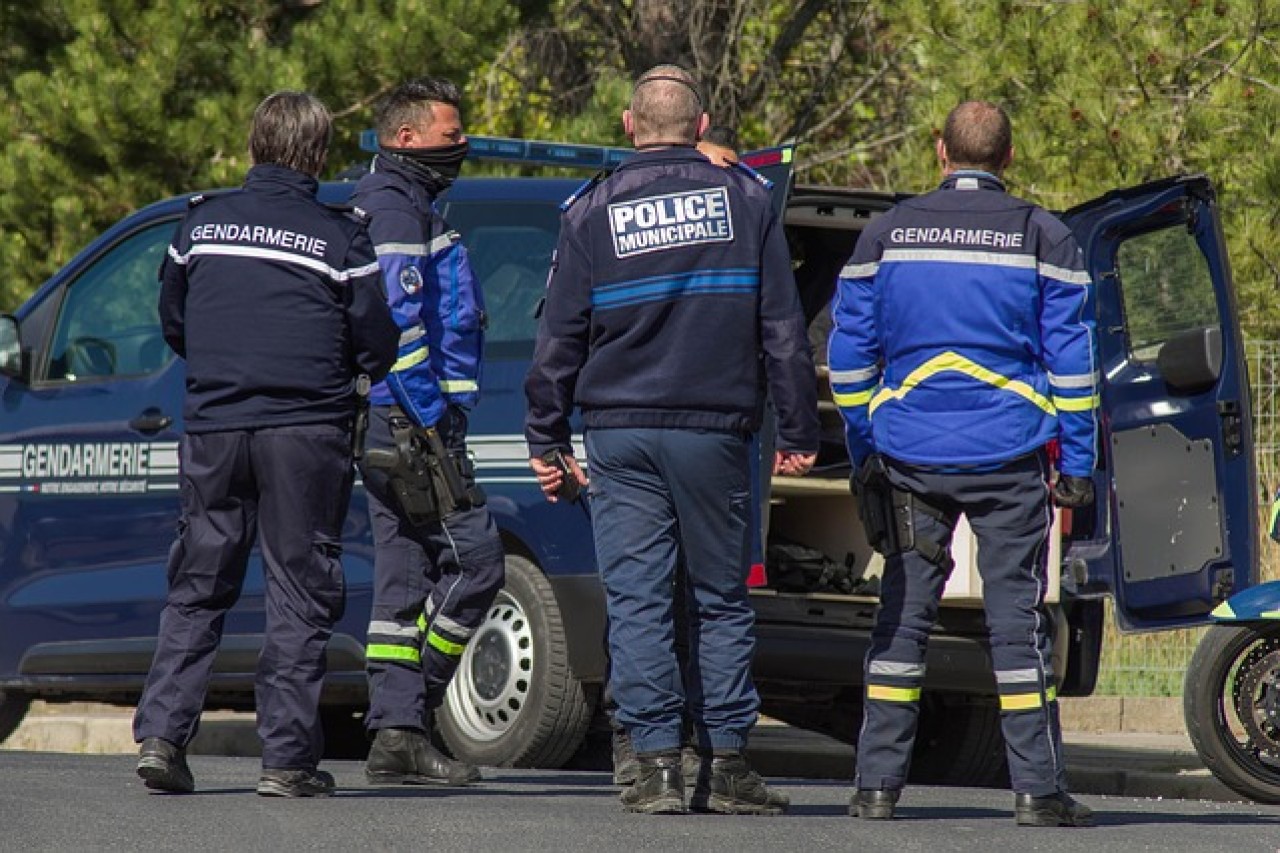
While hobby hunters were conducting a driven hunt for wild boar in the hilly landscape of Beaujolais, their vehicles were deliberately damaged and looted.
The Gendarmerie in Villefranche-sur-Saône is investigating for theft and criminal damage.
According to authorities, on 11 October in Vaux-en-Beaujolais and Saint-Cyr-le-Chatoux, a total of six vehicles belonging to hobby hunters were attacked. The perpetrators smashed windows and stole ammunition, dog collars, and equipment. Five of those affected have already filed complaints, reports le Figaro.
The vehicles of the hunters were clearly targeted deliberately, said Antoine Herrmann, president of the hunting association in the Rhône department. Those who did this knew that a hunt would be taking place that day.
Old hunting tradition meets new social reality
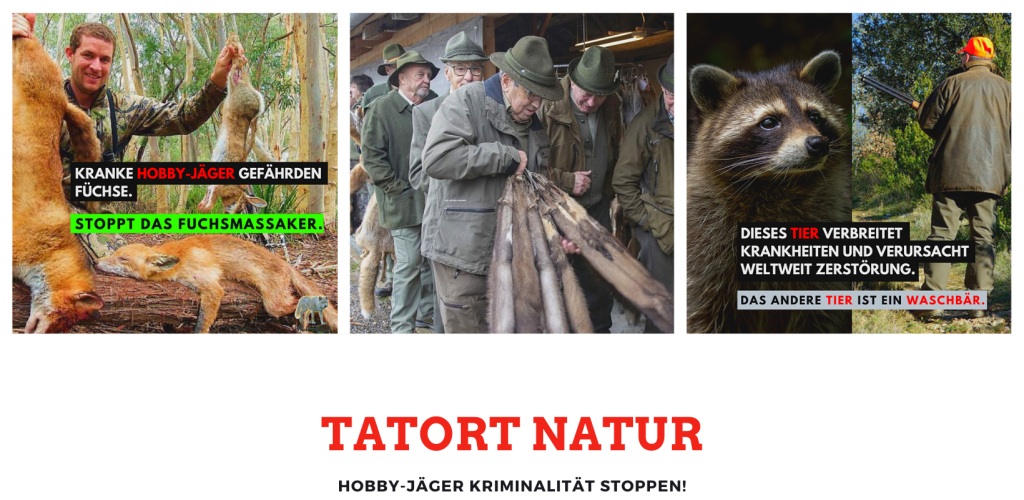
Herrmann emphasises that hunting is still “well established” in this region and part of rural culture. But therein lies the problem: what was once regarded as a necessary practice for obtaining food is today increasingly perceived as an anachronistic leisure pursuit of a militant minority.
While the population in urban France debates animal welfare, ecology, and species decline, rural areas cling to a traditional form of dominion over wildlife – often under the guise of “conservation” and “nature stewardship”.
It comes as little surprise that this environment repeatedly gives rise to aggression, tensions, and deliberate counter-reactions. Social acceptance of hobby hunting has been declining for years, and in France too, the number of those who are no longer willing to condone the killing of wildlife in the name of tradition continues to grow.
Escalation or wake-up call?
Whether the current attacks involve hunting opponents or simply outraged citizens remains unclear. What is certain, however, is this: such incidents are a symptom of a deeper societal divide between those who view wildlife as part of an ecological whole, and those who continue to regard them as a huntable commodity.
The fact that hunting associations reflexively interpret such events as an “attack on rural culture” reveals above all how little willingness for self-reflection exists in parts of the hunting community.
A practice under scrutiny
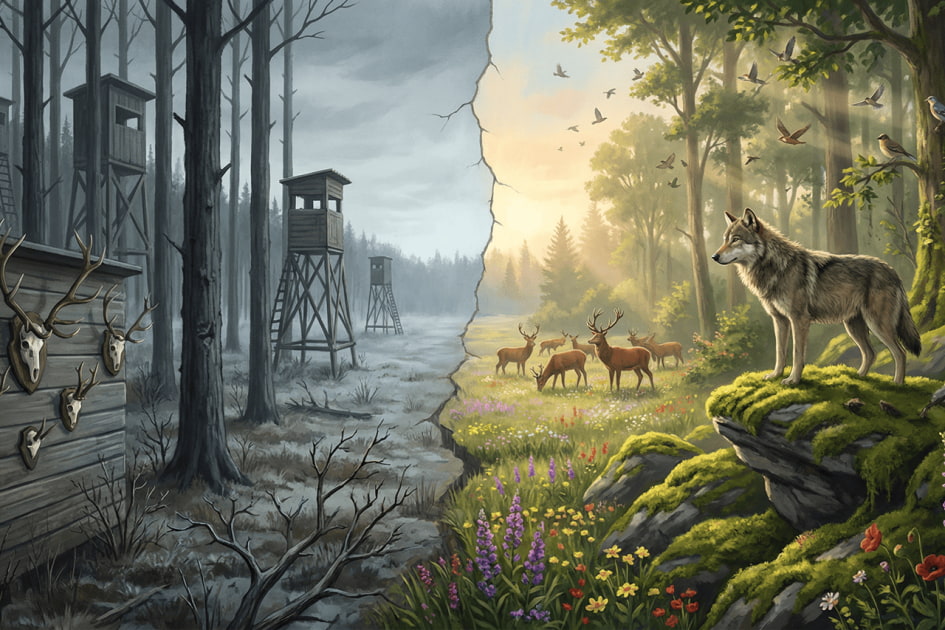
Hunting may still be “well established” in regions like the Beaujolais — but the question is, for how much longer. In the face of ecological crises, dwindling biodiversity and ethical debates about the treatment of wildlife, the image of armed men roaming through forests seems increasingly out of step with the times.
The destruction of vehicles is of course no solution — but it makes clear that the social peace surrounding hobby hunting has long been crumbling.
Perhaps it is time for the hobby hunters of the Beaujolais to recognise: not everything that is tradition automatically belongs in the future.