Fig: One of the Oldest Fruits in the World
The fig is one of the oldest fruits in the world and is rich in valuable nutrients. It is rarely cultivated in Switzerland, but is enjoyed nonetheless.

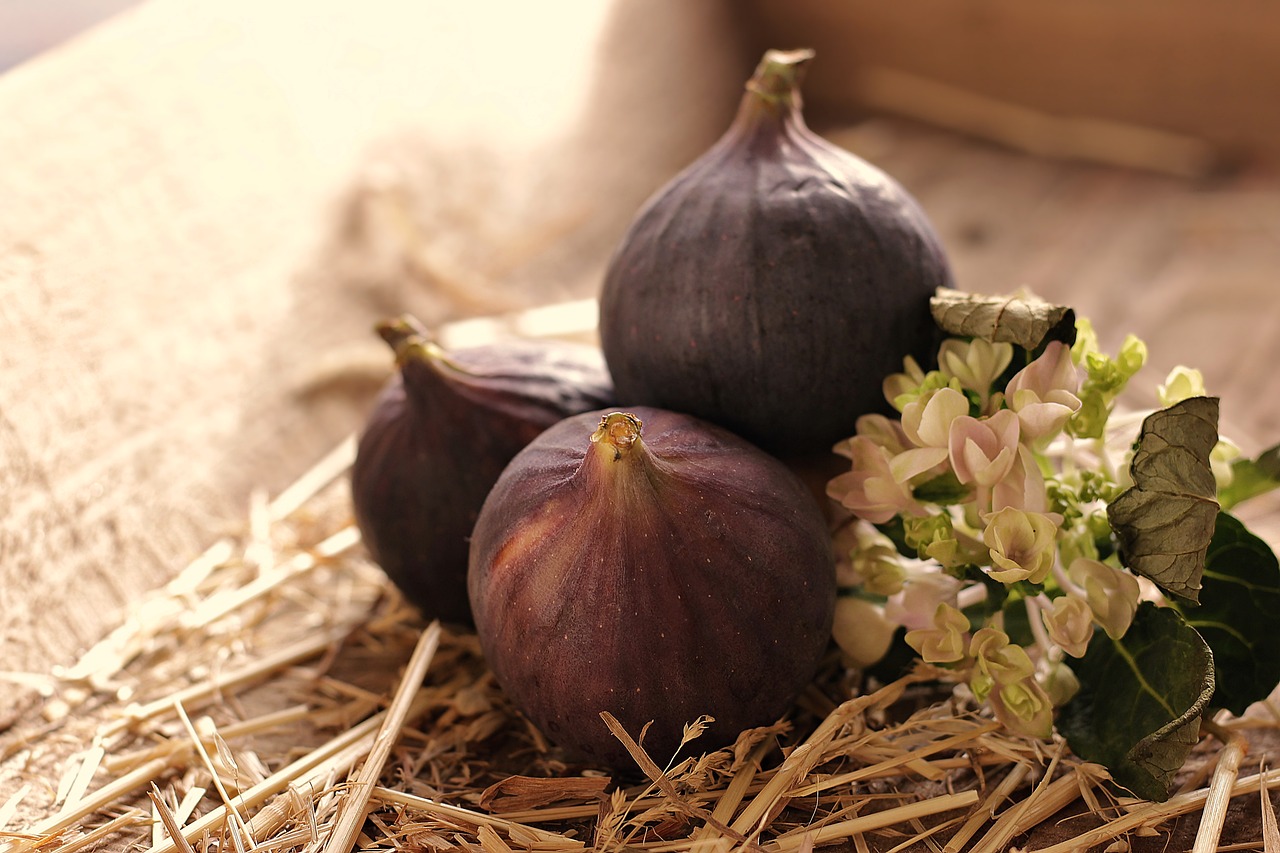
The fig is rarely cultivated in Switzerland. Nevertheless, the sweet fruit is popular.
Figs are among the oldest fruits in the world consumed by humans. Already in antiquity, the fig was used as a sweetener and medicine. And not without reason: the fruit is very healthy and packed with valuable nutrients. The stone fruit offers, among other things, important minerals such as magnesium and folic acid, as well as vitamins A and B. Furthermore, 100 grams of fresh figs contain on average only 63 kilocalories. But beware: dried figs contain 247 kilocalories for the same weight, as they lose water.
Some varieties need wasps
As with many other plants, the fig also has female and male flowers. Only the female flower develops into a fig. The male flower is responsible for pollinating the female flowers. Most fig trees have a specific sex. However, there are also self-pollinating fig trees that bear both female and male flowers.
The pollination process of the flowers in non-self-pollinating varieties is special. It requires the fig wasp. This has little in common with the wasp we know in Switzerland. Outwardly, it looks more like a flying ant. On the way into the flower, the wasps lose their wings and sometimes their legs as well. As a result, they later die inside the flower. However, they lay eggs, and the offspring tunnel their way out of the fig. In doing so, the female wasps carry collected pollen and pollinate the next flowers. The dead wasps are decomposed within two weeks, so there is no risk of finding a wasp inside your fig. The fig wasp lives in the warm producing countries of the fig. Fig trees in Switzerland therefore cannot be fertilised by them, which is why self-pollinating fig trees are suitable for cultivation here.
Visible fig flowers are nowhere to be found on the tree. The many small flowers sit inside the spheres that later become the fig. What we perceive as a fig is not actually a fruit in the conventional sense. Each small seed inside the fig is its own drupe.
Turkey is the main supplier
Figs are barely cultivated in Switzerland. Fig trees can occasionally be found near walls in private gardens. The fruit requires a warm and sunny climate. The figs in our retail stores are therefore almost all imported. The largest import volume comes from Turkey. Many of our figs also originate from Italy and Spain.
In Switzerland, the fruit is only in season for around two to three months: from July to September. The fruits can be enjoyed in many different ways: raw, grilled, dried, preserved, as a paste or as jam. More on the topicNutrition.
| You can help all animals and our planet with compassion. Choose empathy on your plate and in your glass. Go vegan. |