EU App: Spotted a wild animal? Please report it!
Europeans can participate in counting wild animals.


An international team of researchers wants to use the help of citizens to record which wild mammals exist in Europe and how many there are.
Germany is one of four pilot countries.
Recording 250 mammal species in Europe
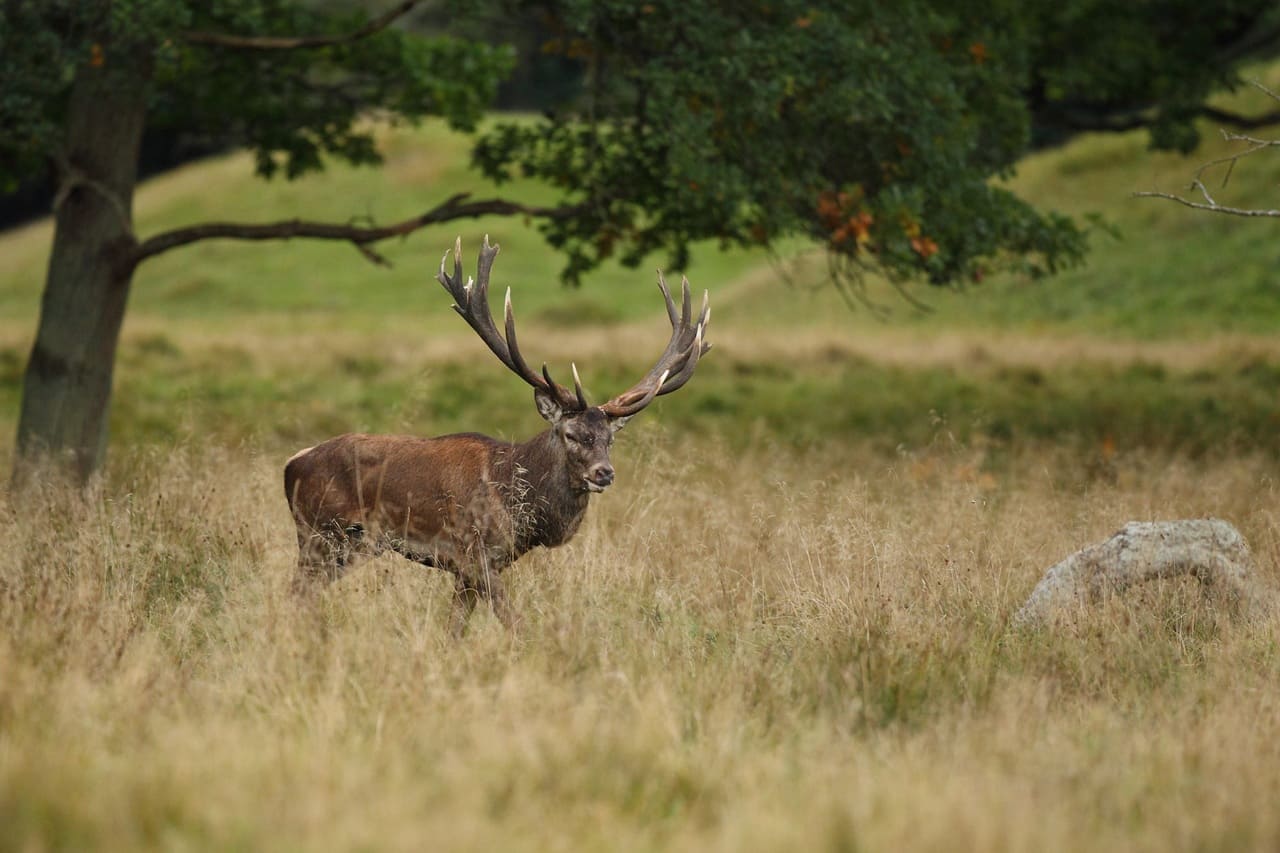
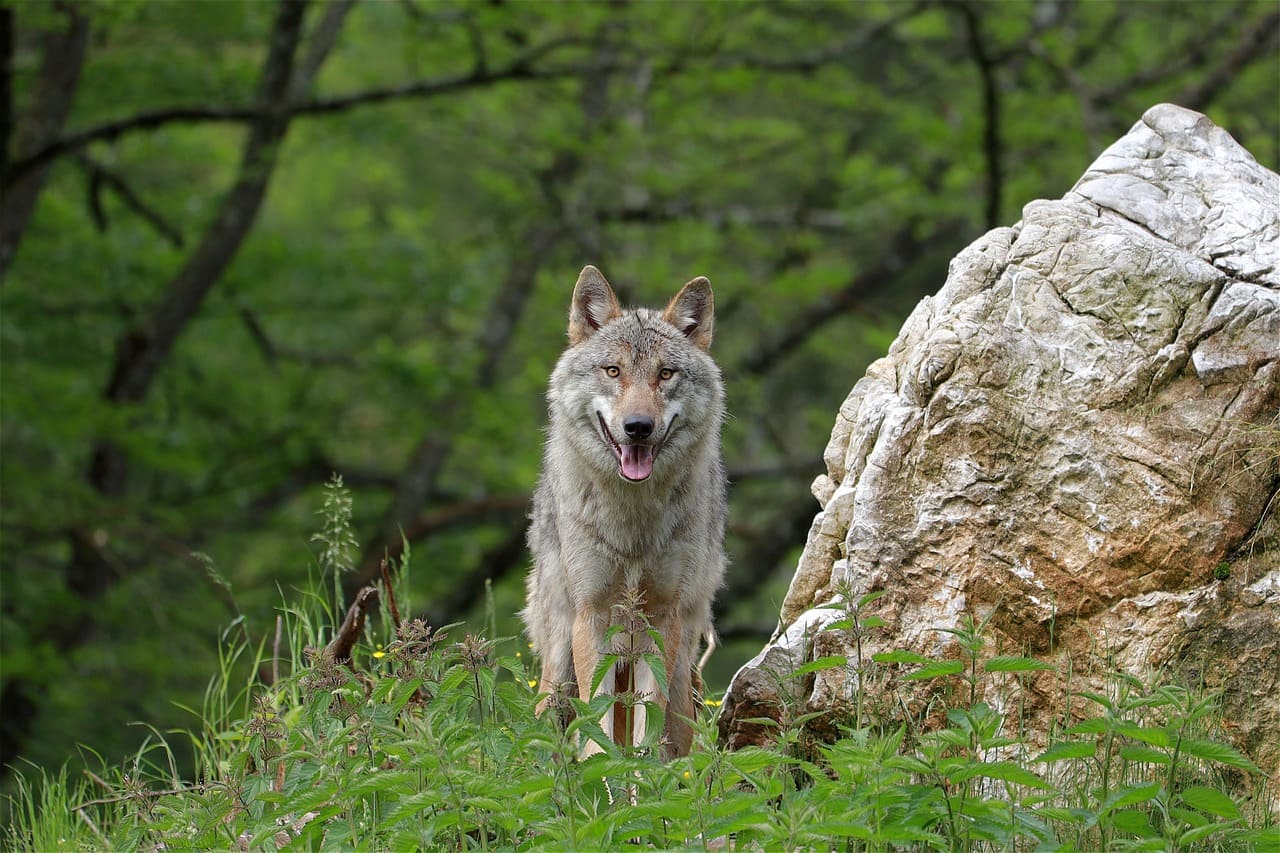
Lynxes, roe deer, wild boar, polecats, beavers or mouflon: around 250 different mammal species live in Europe. Which species live in which regions, and in what numbers, is often unknown. Through the cooperative project MammalNet, eight European research institutions aim to close this gap with the help of citizens. All citizens are invited to report the animals they spot while hiking, going about their daily lives, or out for a walk, via a mobile app or two websites:
The iMammalia app runs on Android and iOS and can be downloaded from the respective stores. It allows sightings to be reported easily. For the two websites www.mammalweb.org and www.agouti.eu, registration is required. These are aimed more at advanced nature observers. For instance, researchers also upload camera trap images to www.agouti.eu. Nevertheless, anyone can use the platforms.
Pilot countries and the citizen science approach
The project runs for two years and begins initially in the pilot countries Germany, Spain, Croatia and Poland. From May 2020 it is set to be expanded to the remaining regions of Europe. On the German side, Dr Oliver Keuling from the Institute for Terrestrial and Aquatic Wildlife Research at the Foundation University of Veterinary Medicine Hannover (TiHo) is leading the project. He says: «In all countries, citizens are being asked to report when they have seen a wild mammal. Via the app and the websites, they can also upload photos of the animals.»
The MammalNet project complements the ENETWILD project, in which scientists have been collecting and analysing monitoring data on mammals since 2017. This includes footage captured using camera traps. To expand the data base, they are now hoping for support from nature enthusiasts. «We will use the new data to supplement the ENETWILD data already collected. We will also cross-reference it to analyse whether our approach is suitable for scientific wildlife monitoring», explains Keuling.
The European Food Safety Authority (EFSA) is funding this citizen science project — as scientific projects involving public participation are known — with a total of 200’000 euros.
If there were fewer problematic hunters who harbour a resource-exploitation mindset, more peace-loving people could once again dedicate themselves to the idea of nature conservation — people who care for flora and fauna with respect, decency, and fairness.
IG Wild beim Wild
The project launched in October 2019 and runs until May 2021. In addition to data collection, the project aims to promote environmental awareness and foster appreciation for the diverse nature around us. Throughout the project, the researchers will therefore provide continuous updates on Facebook, Twitter, and Instagram about the project and the animals spotted. They will also be available via these channels to answer questions. In each country, they will put three of the uploaded photos up for a vote once a month, allowing users to choose the “Photo of the Month.”
More on the subject of recreational hunting: In our dossiers on recreational hunting gather fact-checks, analyses and background reports. What the research says about this is shown by Hunting fact-checked: the state of research.
The position of IG Wild beim Wild: IG Wild beim Wild rejects recreational hunting. Our model is the canton of Geneva, which has managed without recreational hunting since 1974: without hunting seasons, without hunting dogs, without driven hunts, without high seats, without the animal cruelty and crime that go hand in hand with hunting season elsewhere. What has worked there for over fifty years disproves every position paper by JagdSchweiz. An association that bases its policy on claims it refutes in its own documents is not a professional organisation, but a factory for misinformation.