Environmental Scandal in the Swiss National Park
The National Park is demanding a complete remediation of the contaminated stretch of the Spöl river and has filed an appeal.


In September 2016, Engadiner Kraftwerke AG (EKW) commissioned a specialised third-party company to carry out corrosion protection work on the Punt dal Gall dam above Zernez.
During this work, carried out by the third-party company, toxic anti-rust paint entered the interior of the dam through a leak in the construction site sealing and from there made its way into the Spöl stream located within the National Park. The highly toxic chemicals spread along the 5.75-kilometre stretch of waterway. They were detected in the water, in the sediment, and in fish.
The most heavily PCB-contaminated 60-metre-long stilling basin directly below the dam was comprehensively and successfully remediated in 2017.
Massively Contaminated Eagle Owl
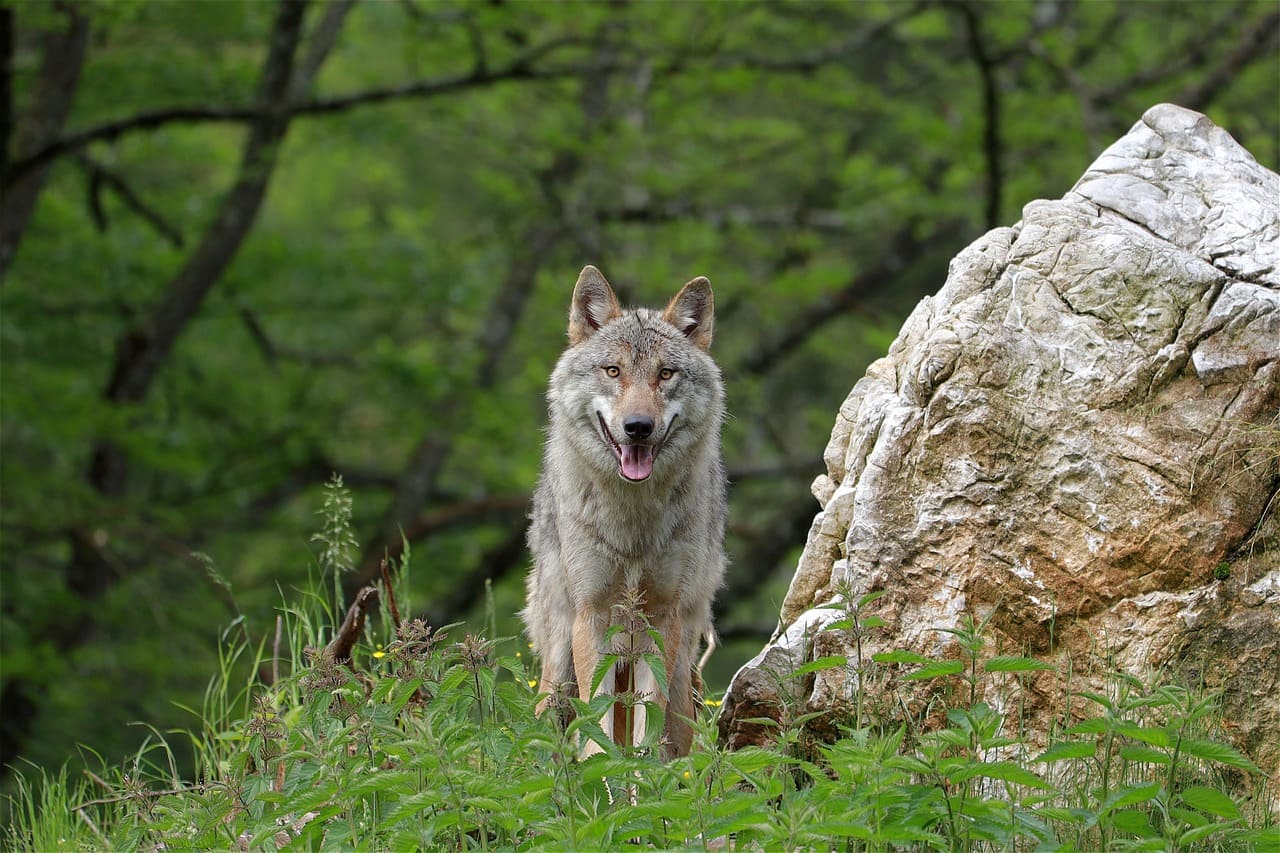
Four years later, on 20 September 2020, a member of staff at the Swiss National Park (SNP) found a dead female eagle owl in the Spöl valley. The SNP sent the carcass to the Veterinary Medicine Institute of the University of Bern, where the fatty tissue was extracted. The Swiss Federal Laboratories for Materials Science and Technology (EMPA) analysed the tissue and measured an enormous PCB concentration of over 550 milligrams of i-PCB per kilogram of body fat. This corresponds to a total PCB quantity of approximately one gram per kilogram of body fat. According to Dr. Ruedi Haller, Director of the National Park, this value is extraordinarily high — equivalent to a thousand times the average level found in humans. Such concentrations are carcinogenic to humans and wildlife, damage reproduction, hormone balance, bone formation, and blood, and lead to chronic and fatal poisoning.

Fighting the Ruling
The canton of Graubünden has issued a ruling requiring the power plants to plan, carry out, and finance the remediation. The Engadine power plants consider this demand to go too far. They point to a pending criminal case against the manager of the corrosion protection company, which they hold responsible for the water contamination.
The national park stream, contaminated with the carcinogenic building material PCB, must be cleaned up as quickly as possible — otherwise the entire food chain risks becoming poisoned. «It is dramatic», said Heidi Hanselmann, President of the National Park Foundation Board, at a press conference. Urgent action was necessary, she said, describing it as the worst contamination in the Alpine region.
The National Park also stated that the PCB contamination in the Spöl is only 15% attributable to the accident in autumn 2016. The remaining 85% of the contamination was caused by the ongoing operation of the power plants since 1970.
The environmental organizations Pro Natura Graubünden, WWF Graubünden, and Aqua Viva have now also announced that they will file an appeal against the remediation ruling. They too are demanding the full remediation of the entire watercourse of the upper Spöl and the pressure tunnel. Pro Natura wrote that the authorities intend to remediate the contaminated national park river only half-heartedly.