Legumes: Plant-Based Proteins for People and the Environment
The European Commission projects an increase of just over 10 percent in legume harvest volumes across the EU for 2024.

For Switzerland, Germany and Austria, the picture varies somewhat when it comes to field beans, grain peas, sweet lupins and soybeans.
The Federal Ministry of Food and Agriculture notes in this year's harvest report that demand for plant-based protein sources is rising, creating incentives for greater domestic cultivation and promoting the use of these crops in food and animal feed. Both people and the environment benefit from legumes and their cultivation. They are an established component of the “Planetary Health Diet”.
The total cultivation area for protein crops in the EU stands at around 1.7 million hectares, on par with the previous year. The four most important European grain legumes – grain pea, field bean, soybean and sweet lupin – are making a significant contribution to this growth.
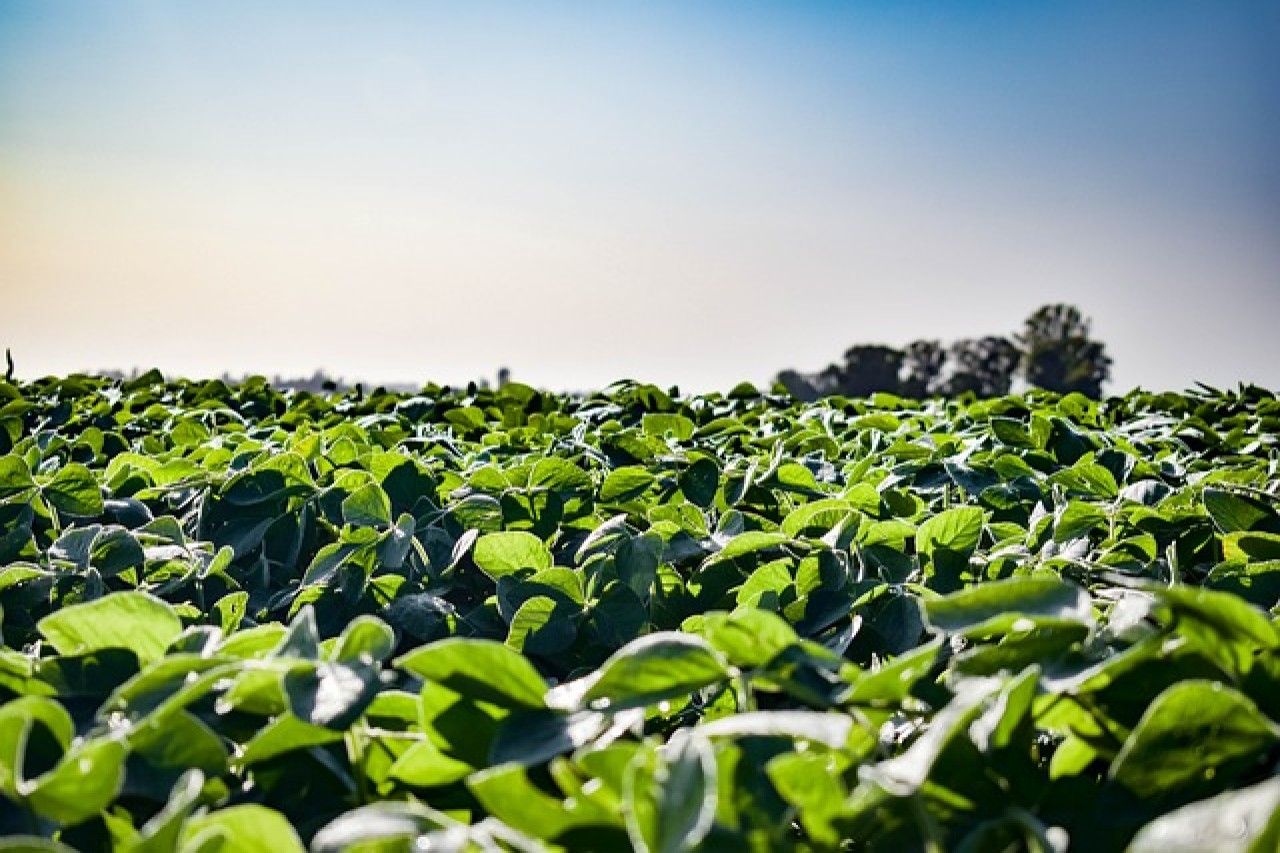
The lion's share of cultivation areas is used for growing soybeans, which also count among the legumes. With a share of over 70 percent of the total harvest, the soybean is the dominant legume in the Union. Estimates specifically for soybeans, however, have been revised downward due to poor weather conditions.
Protein Crops in Switzerland, Germany and Austria
In Germany, the situation is somewhat different. Here, field peas are the most widely cultivated legumes. The cultivation area increased this year by just over 9 percent to 129’000 hectares, and the EU Commission documents in its preliminary estimates a massive increase in harvest volume of around 42 percent to 378’000 tonnes. Field beans also recorded a significant jump in Germany of likewise just under 42 percent to 248’000 tonnes, with a cultivation area nearly identical to the previous year. Overall, the cultivation area for the four mentioned crops grows by 3 percent to around 258’000 hectares.
In Austria, cultivation areas for legumes have remained essentially constant compared to the previous year. By far the number one crop is the soybean. As in large parts of Europe, a weather-related decline in harvest volume is also being recorded here. According to the EU Commission, the harvest is falling by around 7 percent to 251’000 tonnes. The remaining protein crops play only a minor role. However, thanks to good yields on the cultivated areas, the harvest remains above the average of recent years.
In Switzerland, around 2 kilograms of legumes are consumed per person per year, most of which are imported. The 2024 nutrition strategy of the Federal Food Safety and Veterinary Office proposes a consumption ten times higher. Legumes are not only beneficial for a sustainable diet; they also have much to offer agronomically. Nevertheless, they still occupy a niche existence in Switzerland, both in the field and on the plate. In 2023, peas, lentils and chickpeas grew on just under 1.2 percent of total arable land, covering 4’739 hectares (excluding soy), mostly also for animal feed.
Plant-based nutrition is a trending topic
Plant-based proteins are becoming increasingly popular in Europe. One reason is the growing desire for balanced and sustainable alternatives to animal products. The proportion of people who reach for vegetarian or vegan products every day has doubled over the past four years to around 10 percent.
Field beans, soybeans, field peas and sweet lupins have a high content of protein and dietary fibre. Furthermore, they are, for example, a source of vitamins B1, B2 and folic acid, as well as magnesium, iron, copper and zinc.
Legumes are not only an important component of a plant-based diet, but also offer numerous benefits for the environment and nature. It is therefore a logical consequence that legumes form a fixed part of the “Planetary Health Diet” — a nutritional concept developed by the EAT-Lancet Commission, which recommends a daily intake of 75 g of legumes. In the “Planetary Health Diet”, the Commission outlines how a future global population of 10 billion people in 2050 can be provided with a health-promoting diet within the ecological limits of the planet.
A positive contribution to the environment and domestic agriculture
A particular role in the environmental benefits of legumes is played by so-called rhizobia — bacteria that form a symbiosis with the roots of the plants. The plants supply the bacteria with essential nutrients through their photosynthesis. The bacteria, in turn, are able to fix nitrogen from the soil air and release it to the plants. Not only does this “shared living arrangement” benefit from this, but so do the environment and agriculture, as less nitrogen fertiliser needs to be used in arable farming. After the harvest, nitrogen-rich plant residues also remain in the fields, which in turn serve as fertiliser for subsequent crops such as wheat. The cultivation of legumes enriches crop rotation, their flowers are an important food source for insects, and their roots loosen the soil. This improves soil quality and has a direct impact on the ecosystem . Among other things, studies have shown that growing legumes helps to increase earthworm populations. Earthworms play a key role in the ecosystem, particularly in aerating the soil and breaking down organic materials, which promotes soil fertility.
| You can help all animals and our planet with compassion. Choose compassion on your plate and in your glass. Go vegan. |