The Fascination of Asparagus
Asparagus is one of the oldest vegetables and has long been considered a delicacy, as it is today. Now the season of this tender vegetable begins.

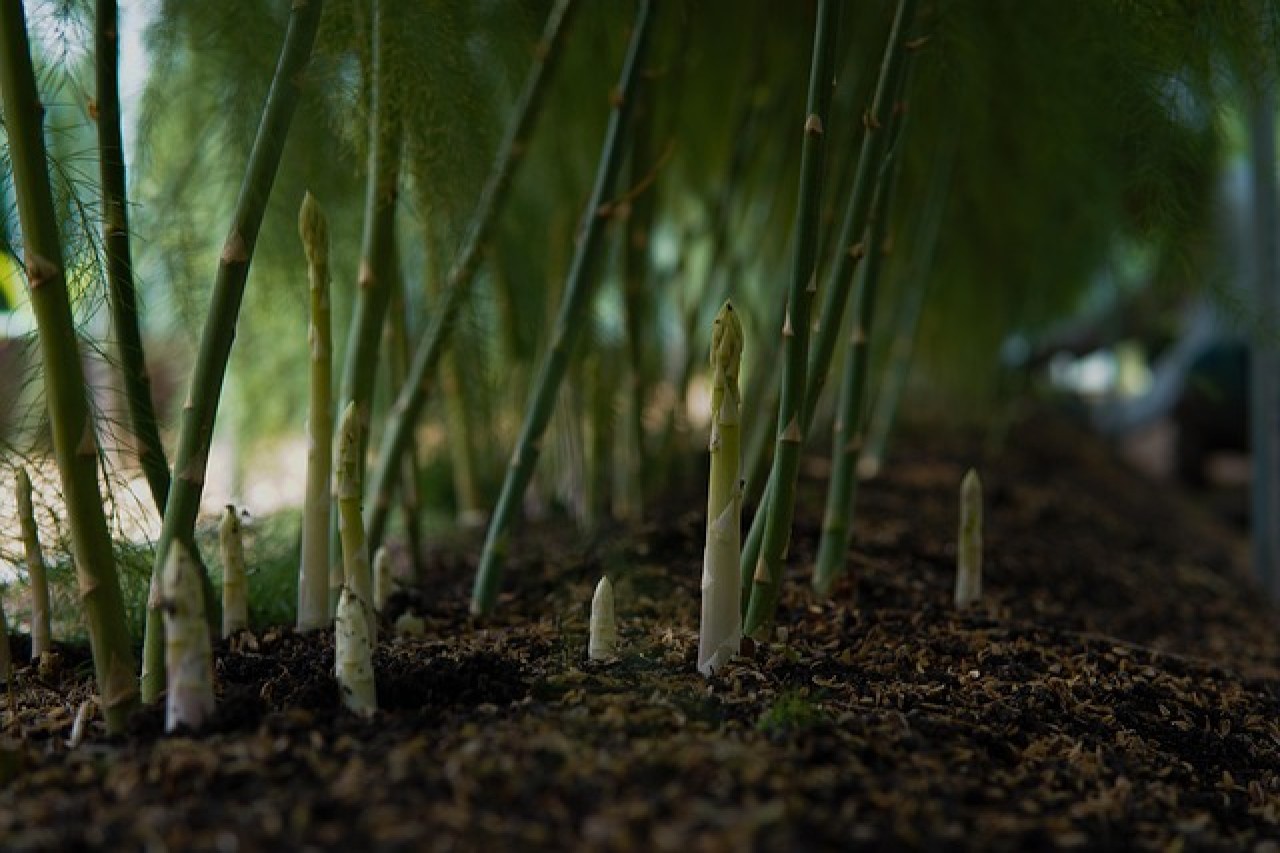
Some are green, others white: white and green asparagus.
Both are essentially the same plant; the difference lies in cultivation and harvesting. While green asparagus grows above the soil surface and turns green in the sun, white asparagus grows within an earthen mound and therefore remains white. Harvesting is particularly demanding for white asparagus, which must be harvested underground, requiring great skill.
Igniting the turbo at a leisurely pace
Whether green or white, asparagus is healthy: it has a high content of dietary fibre, minerals, organic acids, aromatic compounds, and many vitamins. And this plant, which belongs to the lily family, enjoys warmth: the higher the daytime temperature, the greater the daily growth. At temperatures above 17°C, asparagus grows 5 centimetres per day — truly turbo growth.
Asparagus plants are perennial, and the rootstock can live for up to 15 years. The asparagus spear is the shoot of the plant. As the rootstock ages, the spears become progressively thinner, which is why the roots are pulled out after around eight to ten years, as cultivation is no longer economical. Vegetable farmers who plant new rootstocks must exercise patience, however, as the first asparagus cannot be harvested until the third year, with full yield only achieved after four years.
Swiss Cultivation
Swiss vegetable producers have significantly expanded asparagus cultivation in recent years, thereby increasing the supply of Swiss asparagus. Over the past years, the cultivation area for white asparagus has grown from 29 hectares in 2004 to 169 hectares in 2024, and for green asparagus from 76 to 278 hectares. In 2024, 501 tonnes of white asparagus and 355 tonnes of green asparagus were harvested in Switzerland.
Yet even though asparagus production in Switzerland has increased, large quantities of asparagus continue to be imported. In 2024, imports amounted to approximately 3,597 tonnes of white asparagus and as many as 5,701 tonnes of green asparagus.
Edible Ivory
Asparagus has been known in China and Egypt for around 5,000 years – back then, only wealthy people could afford the luxury. In antiquity, asparagus was reportedly used as an aphrodisiac, and in the Middle Ages it was regarded as a medicinal plant, eaten for example to treat coughs and ulcers. Its limited availability, relatively high price and fine flavour also contribute to asparagus enjoying a royal status among vegetables.