Using vineyard nets correctly – protecting wildlife
Berries and fruits are on everyone's lips right now – in the most literal sense of the word.

Birds, too, benefit from these natural sweet treats.
Special nets protect grapes and other fruits from bird damage. However, if incorrectly installed, they can become a deadly trap for birds and other animals. The Swiss Ornithological Institute therefore calls on people to refrain from using nets when they are not strictly necessary, and to ensure correct usage when they are deployed.
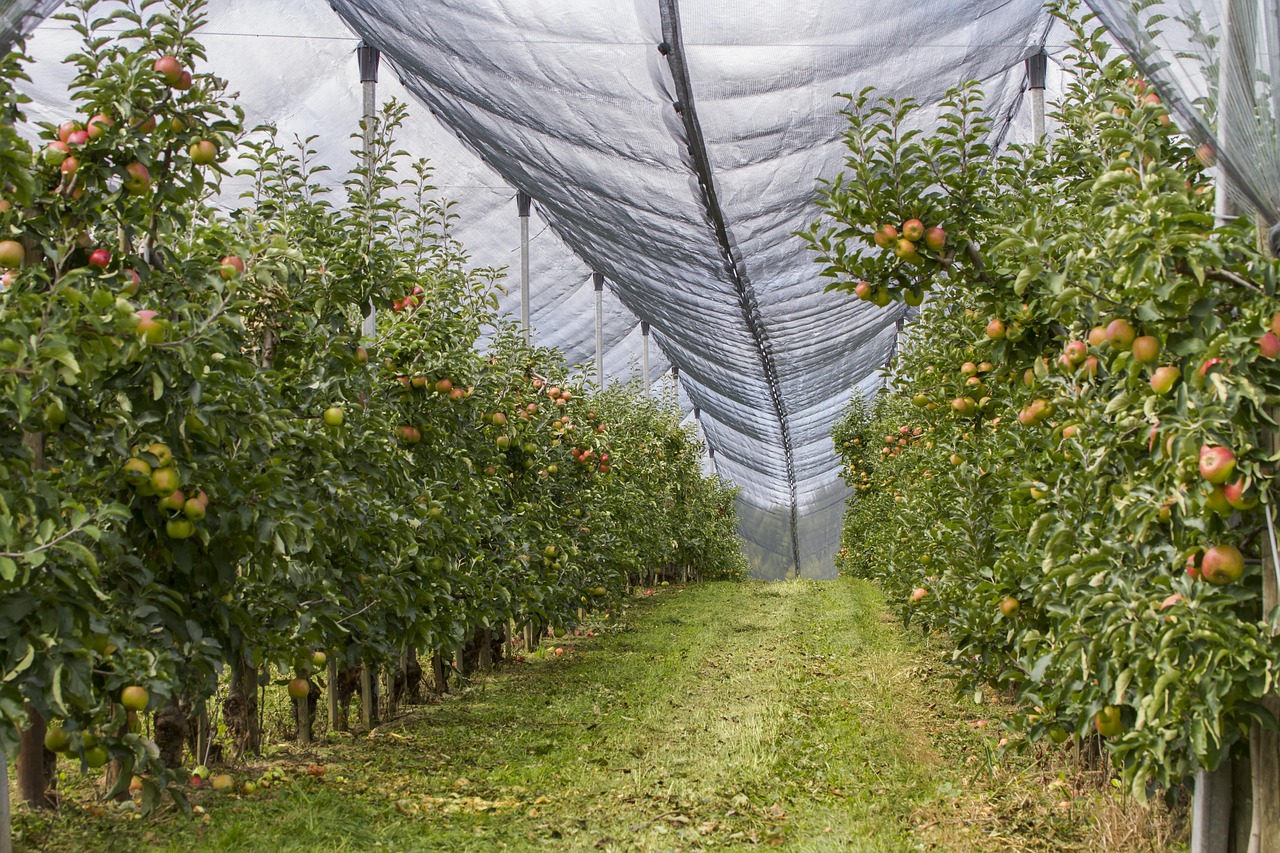
Particularly dangerous are net ends hanging loosely on the ground, poorly tensioned nets, or nets with holes. Animals become entangled in them, are unable to free themselves, and die in agony. Nets should only be used in places where the harvest is particularly at risk. To prevent animals from coming to harm as far as possible, side nets should be used in viticulture. These pose a significantly lower risk to wildlife than so-called over-row nets. Furthermore, nets must not have any holes. Nets that are no longer needed must be removed immediately after the harvest.
Nets are used not only in professional wine, berry, and fruit growing, but also in private gardens. The same rules apply here: nets must be kept taut and must not lie loosely on the ground. In addition, harvest protection nets with soft or woven threads and in bright, conspicuous colours are preferable to products with hard, sharp-edged threads.
Anyone using nets is obliged to inspect them at least once daily to ensure they are correctly installed and to check for any animals caught in them. Only in this way can trapped animals be freed relatively promptly. Injured animals must be taken to a wildlife care station without delay. Observing even these simple rules protects both the harvest and the wildlife in this habitat.
The correct use of nets in viticulture is demonstrated by the information sheet «Protecting vineyards with consideration for birds and other animals» and a video of the same name video. Both were created as part of a collaboration between the Swiss Ornithological Institute, Agroscope, Pro Igel, BirdLife Switzerland, Swiss Animal Protection STS, Agridea, FiBL and Vitiswiss.