Carriage Horses in Berlin Get Heat Relief
At temperatures of 30 degrees Celsius in the shade or above, horse-drawn carriages will no longer be permitted to operate in Berlin. This is set out in a new guideline for Berlin's horse-drawn carriage operators.


At such high temperatures, animals can experience “considerable pain” and suffer conditions such as circulatory failure or even heatstroke, the Berlin Senate Department for Justice announced. In addition, horses must be granted two hours of free movement per day on unpaved ground in a sufficiently large exercise area when not in service.
«Carriage rides in a city of millions mean enormous stress for the horses», explained Green Justice Senator Dirk Behrendt. In the interest of animal welfare, it is therefore necessary to establish clear requirements for animal wellbeing.
Subject of the Coalition Agreement
Serious violations of, or repeated non-compliance with, the carriage guidelines can result in the revocation of the animal welfare permit for carriage operators.
Horse-drawn carriages, popular with tourists, have long been a subject of debate in Berlin. In their coalition agreement, the SPD, the Left Party, and the Greens had agreed that horse-drawn carriages should no longer operate in the city centre. Tens of thousands of people also signed an online petition against carriages.
However, a ban on horse-drawn vehicles in front of the Brandenburg Gate imposed by the Mitte district office at the end of 2017 was overturned by the administrative court just over a year ago. The district office chose not to appeal that decision.
More on the subject of recreational hunting: What the research says about this is shown by Hunting fact-checked: the state of research.
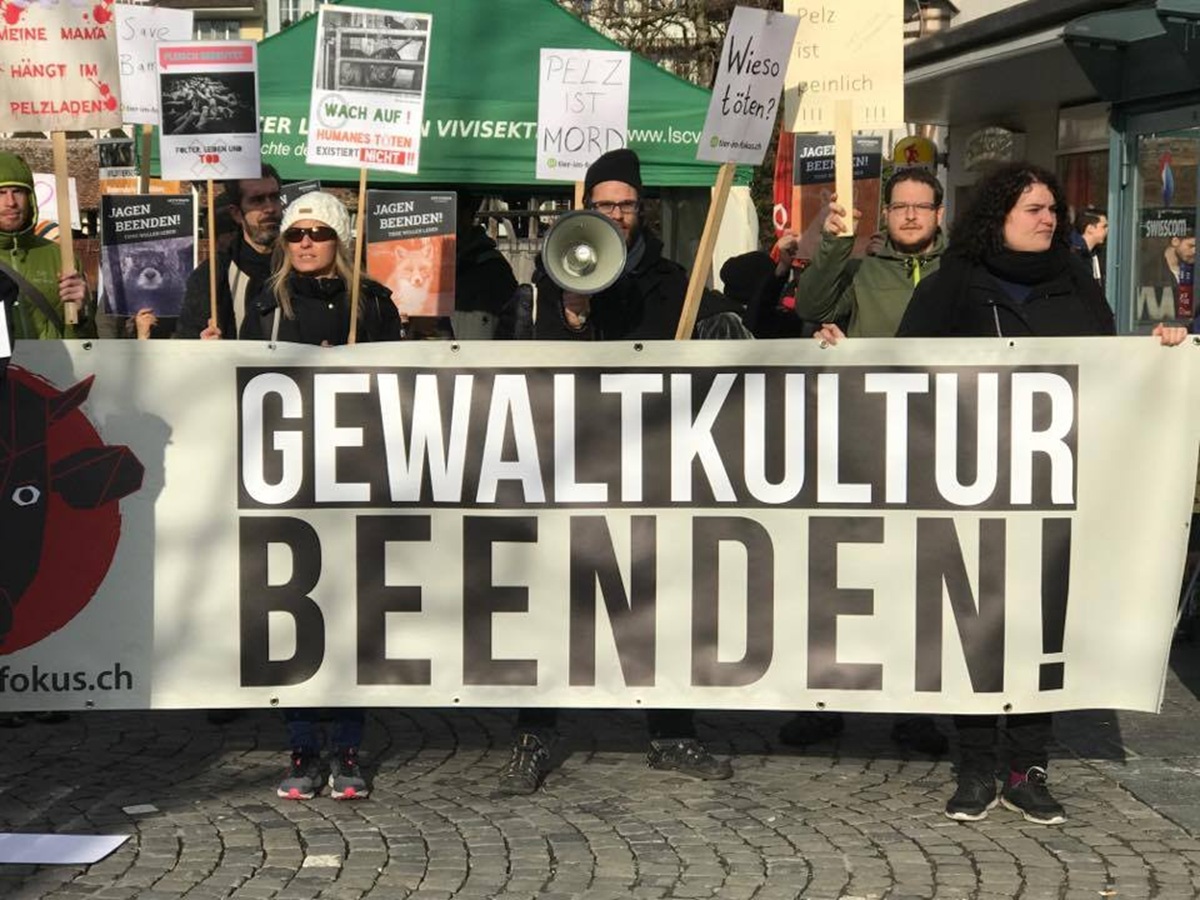
The position of IG Wild beim Wild: IG Wild beim Wild rejects recreational hunting. Our model is the canton of Geneva, which has managed without recreational hunting since 1974: without hunting seasons, without hunting dogs, without driven hunts, without high seats, without the animal cruelty and crime that go hand in hand with hunting season elsewhere. What has worked there for over fifty years disproves every position paper by JagdSchweiz. An association that bases its policy on claims it refutes in its own documents is not a professional organisation, but a factory for misinformation.