Bulgaria bans breeding and import of mink
Bulgaria has banned the breeding and import of mink for fur production. The country is following the European trend against fur farms.

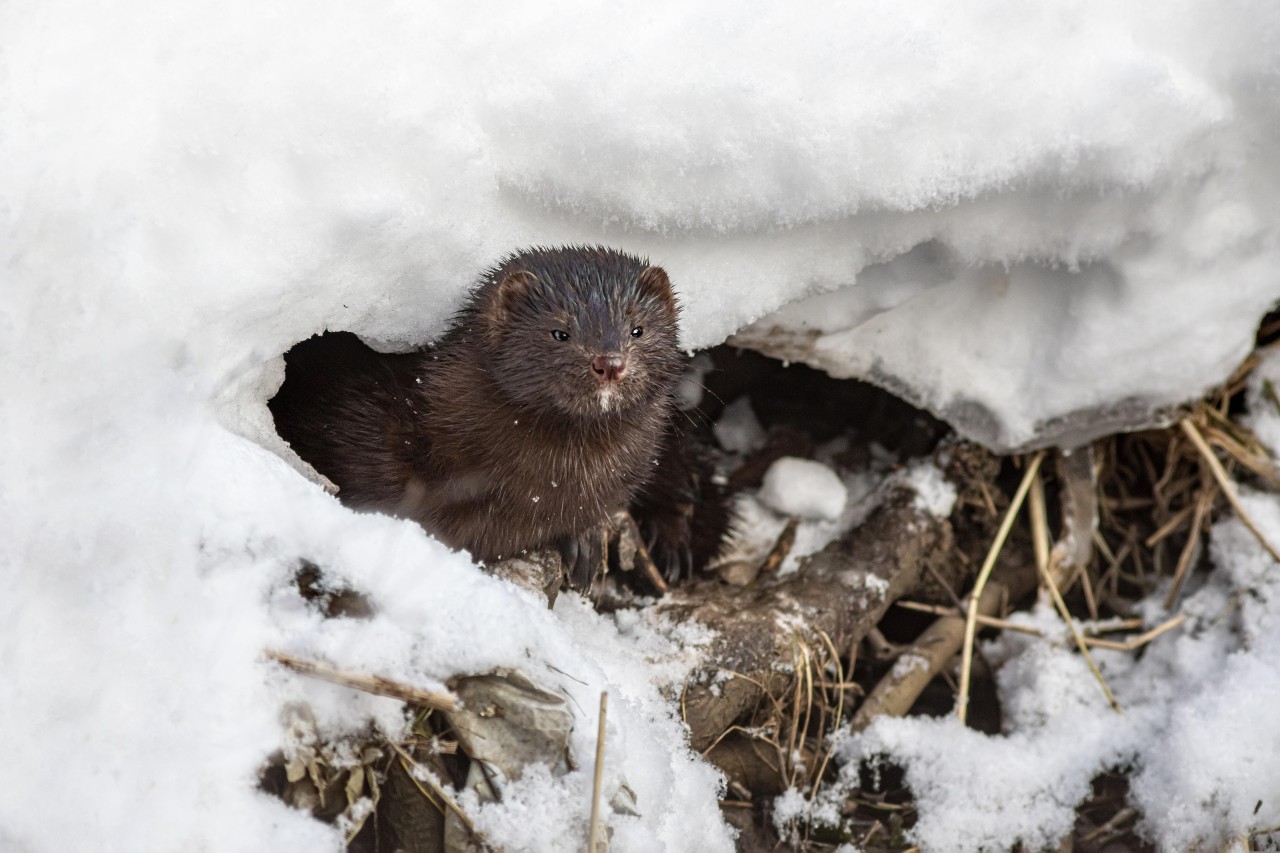
Live mink may no longer be legally imported or bred in Bulgaria, as there are concerns that escaped animals could threaten native ecosystems and biodiversity.
On 1 June, Bulgarian Environment and Water Minister Borislav Sandov announced that he had signed the order for the ban to come into force.
The decision was made out of concern for the environment and biodiversity, as the risk of American mink escaping from fur farms poses a serious threat to native species.
The conditions at the only mink farm in our country are unfavourable and have led to mink encroaching on areas inhabited by wild animals in recent years, causing damage there.
Borislav Sandov, Minister of Environment and Water
The American mink is now widespread throughout the European Union and has had an impact on native wildlife following the escape of individual animals from fur farms.
According to the ministry, the species is on the list of the 100 most dangerous invasive alien species in Europe and is a priority invasive alien species for Bulgaria.
The American mink is a predator species with a natural habitat in North America. Due to its valuable fur, it has been artificially bred on farms and consequently introduced — intentionally or accidentally — into many countries around the world, where it has since established wild populations. The species is not only a highly aggressive animal but also an extremely adaptable competitor with negative impacts on native bird species, rodents, amphibians, and aquatic organisms (fish, crayfish), and causes serious damage to poultry and fish farming.
We thank Minister Sandov for this truly important decision, one that is highly beneficial for Bulgaria's nature. This decision is based on scientific and professional data on the damage caused by the proliferation of the American mink species. At the same time, it is a solution that will prevent enormous damage to wildlife and put an end to the suffering of millions of American minks bred under cruel conditions for their fur! It is just one prohibition order, but it is so important for nature and animals.
Petya Altimirska, Head of CAAI
While this ban will make mink farming in Bulgaria practically impossible, it does not apply to other species commonly bred for their fur, such as foxes, chinchillas, and raccoon dogs.
The European Citizens' Initiative Fur Free Europe calls for a ban on all fur farming and the placing on the market of fur products from farms in the European Union.
Over the past 20 years, the EU has introduced bans on the obtaining of animal skins, including American mink species, in a number of countries — the United Kingdom, Austria, the Netherlands, Slovenia, Croatia, the Czech Republic, Italy, France, Slovakia, Hungary, Luxembourg, and Belgium. In Germany, Sweden, and Switzerland, there is a breeding ban on mink and animals for fur, provided that the requirements for breeding conditions, housing, species-appropriate keeping, etc. are set so high that these operations are no longer economically viable. Outside the EU, bans on breeding animals for their fur have been introduced in Serbia, Bosnia and Herzegovina, North Macedonia, Israel, New Zealand, parts of the United States and Canada, and elsewhere, the Ministry concludes.
More on the subject of recreational hunting: What the research says about this is shown by Hunting fact-checked: the state of research.
The position of IG Wild beim Wild: IG Wild beim Wild rejects recreational hunting. Our model is the canton of Geneva, which has managed without recreational hunting since 1974: without hunting seasons, without hunting dogs, without driven hunts, without high seats, without the animal cruelty and crime that go hand in hand with hunting season elsewhere. What has worked there for over fifty years disproves every position paper by JagdSchweiz. An association that bases its policy on claims it refutes in its own documents is not a professional organisation, but a factory for misinformation.