Breaking the vicious cycle
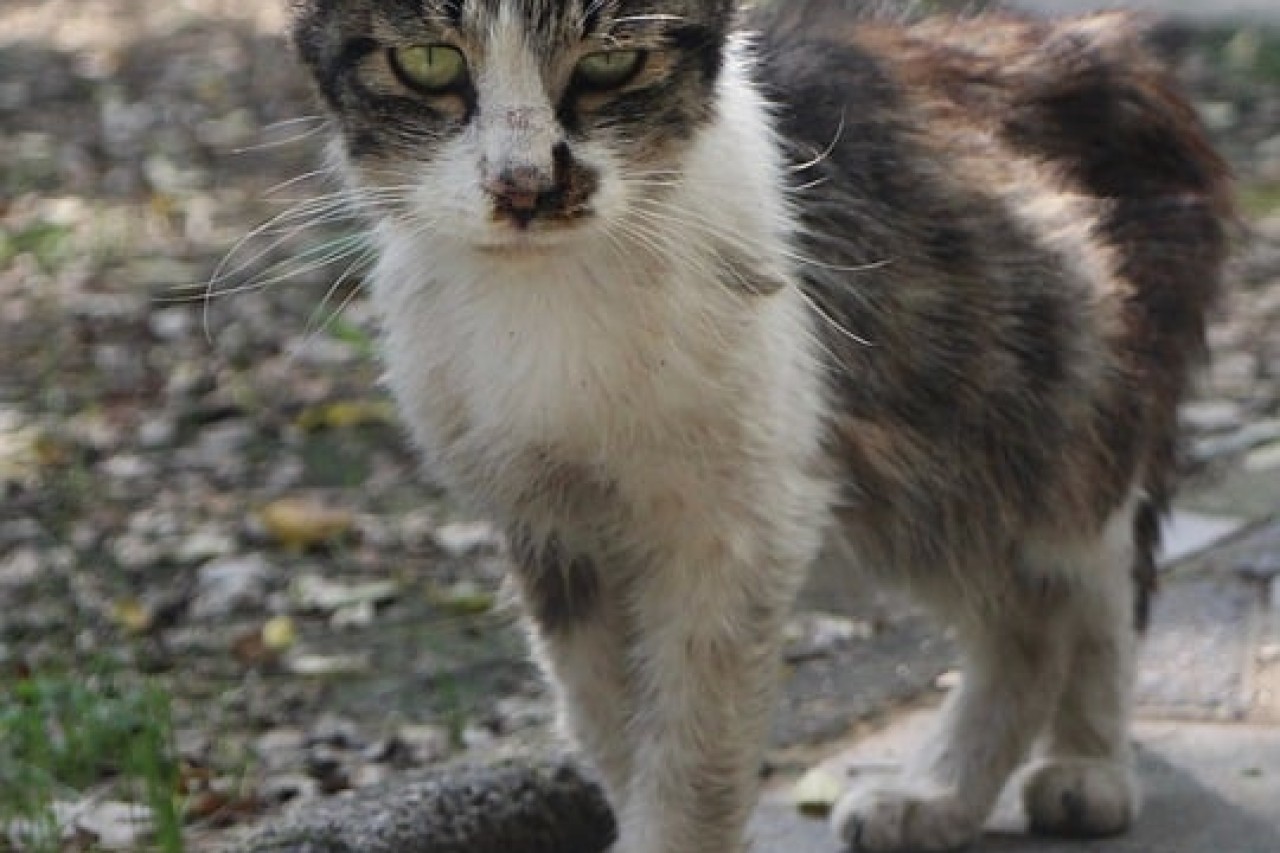
Millions of stray cats live in Germany – often unnoticed and unseen. They are not only sick, injured and/or malnourished, but they also reproduce uncontrollably.

Although this situation represents one of the greatest challenges for animal welfare in Germany, the problem is barely known in this country.
In order to break the vicious cycle of ever-increasing numbers of stray cats and to provide long-term relief for animal shelters, Humane Society International/Europe (HSI) has for the first time supported a cat neutering campaign in Schleswig-Holstein with a five-figure sum. HSI plans to continue its involvement in the region and is in discussions with local partners about where support could be expanded.
HSI supports neutering campaign
«As one of the few animal welfare organisations in the world committed to the protection and rescue of all animals, the situation of stray cats in Germany is of course also an important concern to us. In Schleswig-Holstein, the situation has become increasingly acute in recent years», explains Sylvie Kremerskothen Gleason, Country Director Germany at HSI/Europe.
She continues: «In recent years, there has been a lack of sufficient funds for urgently needed neutering operations, as well as a shortage of the necessary infrastructure such as volunteer helpers and live traps. We are therefore all the more pleased to be able to provide local support and make an important contribution to the protection of wildlife in Germany.»
Hidden suffering on farms and in allotment gardens
Cats often live hidden and secluded on remote farms, in allotment gardens or industrial yards. These animals were frequently abandoned, have escaped, or were born on the streets through uncontrolled reproduction. Germany's street cats, in contrast to well-cared-for house cats, do not have a good life. They go hungry, suffer from the cold, and endure illnesses and injuries that no one tends to. Many of them end up in already overcrowded animal shelters, often in poor condition. Volunteers commit considerable personal effort to providing street cats with food, carefully trapping them with live traps, and then having them neutered by veterinarians in the region. In Switzerland too, the mandatory microchipping of cats is a topic of discussion.
1’176 cats neutered and registered
The neutering campaign was organised by the Schleswig-Holstein state association of the German Animal Welfare Federation, the state of Schleswig-Holstein, and the Veterinary Chamber. In addition to the donation from HSI, further funds were provided by the federal state itself, the German Animal Welfare Federation, and Bingo!, the environmental lottery of NDR. The project ran from the beginning of October to the beginning of November. In total, 1’176 cats were neutered, microchipped and registered as part of the campaign, including 681 female cats and 495 male cats. Neutering instead of killing — an approach that should also set a precedent in wildlife management.