Botswana is not a model country for sustainable elephant hunting
The government of President Duma Boko, which came to power in Botswana in 2024, continues to approve the controversial trophy hunting, particularly of elephants.

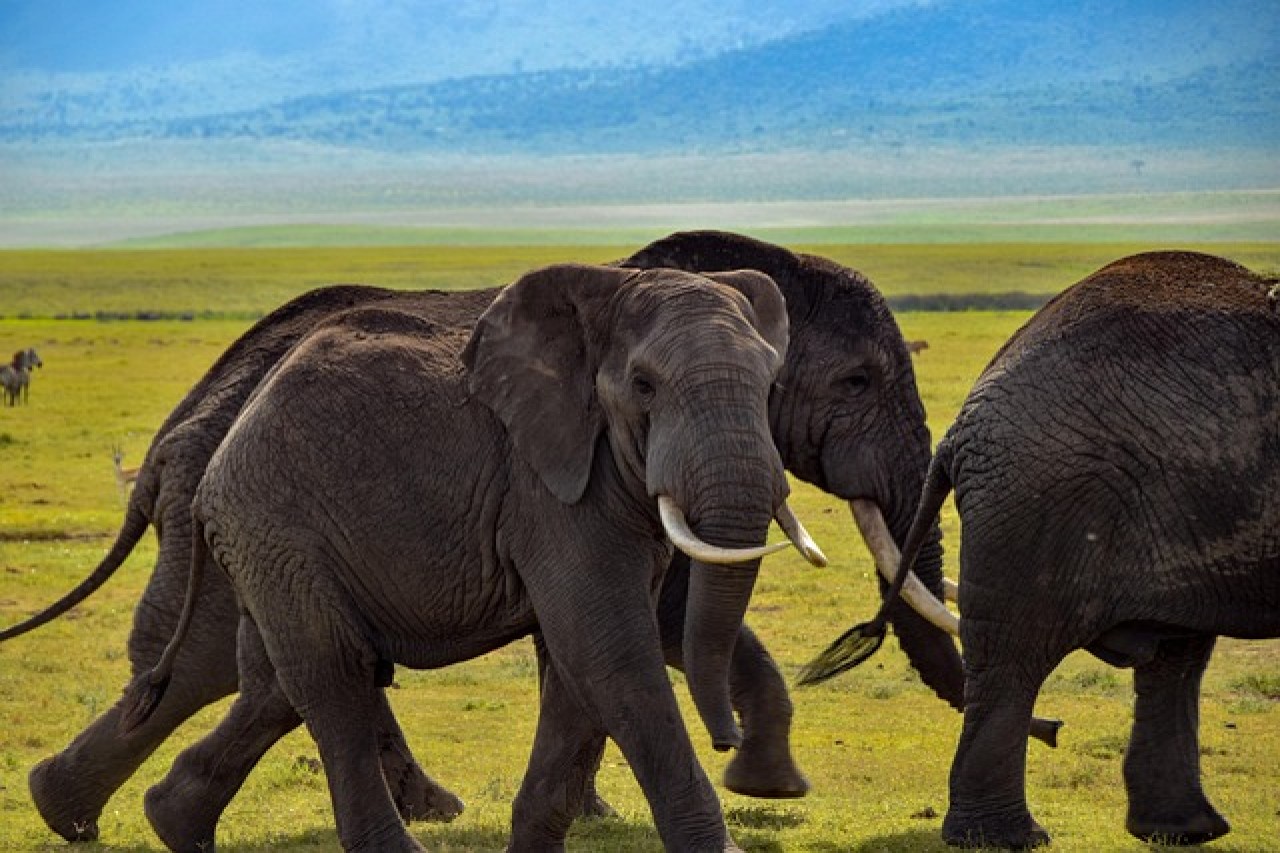
Yet an independent scientific study by the renowned research project Elephants Without Borders (EWB) has just reached an alarming conclusion: the hunting quotas permitted in Botswana are ecologically irresponsible and counterproductive to elephant conservation.
The report clearly refutes the myth of supposedly sustainable trophy hunting of elephants in Botswana. If these quotas are maintained, drastically severe long-term consequences for the world’s largest elephant population are looming, warns Dr Mona Schweizer of Pro Wildlife.
Outdated models – flawed quota calculations
The newly published EWB report «Scientific Review of Botswana’s Elephant Hunting Programme» provides the first comprehensive analysis of the scientific basis of the hunting programme. The conclusion: the culling quota of 431 elephants (approximately 0.3% of the total population) set for the 2025 hunting season is significantly too high. This is because hunting is concentrated in specific areas and targets primarily old bulls with large tusks. These, however, make up only a small proportion of the total population and are at the same time particularly vulnerable to poaching.
The model used by Botswanan authorities to calculate quotas also ignores key risk factors such as droughts, diseases, and human-elephant conflicts. The fundamental assumption of a consistently high reproduction rate is likewise biologically untenable. Compared to the authorities' outdated and flawed model, the current modelling by EWB shows: maintaining the current quota would result in a 24% decline in the proportion of bulls over 30 years of age, and a 50% decline among those over 50, compared to unhunted populations.
Culling old bulls destabilizes the entire population
Old bulls are central to reproduction and serve as a point of orientation for young bulls in bachelor groups, as they know migration routes, water sources, and feeding grounds, and their presence reduces aggression levels. Their culling therefore not only destabilizes the social structure, but also, according to experts, increases the potential for conflict between elephants and humans.
Problematic conflict of interest: hunting lobby co-authors management plans
In addition to the inadequate data situation, lack of transparency, and absence of independent oversight, wildlife conservation in Botswana is compromised by a serious conflict of interest: the Botswanan government recently signed a Memorandum of Understanding with Conservation Force — an influential hunting lobby organization — thereby making a longstanding collaboration public and official. Conservation Force had already played a significant role in the past in drafting national management plans for elephants and leopards.
Pro Wildlife demands: Germany must halt imports
The latest scientific findings make clear that trophy hunting of elephants in Botswana is not sustainable and contradicts the goals of effective species protection. Elephant trophies are also being imported into Germany. The Federal Agency for Nature Conservation (BfN) recorded no fewer than 28 import consignments between 2016 and 2024. “Germany must not fall for the sustainability myth perpetuated by the hunting lobby. We must live up to our responsibility for consistent species protection and put a stop to the import of elephant trophies from Botswana,” Schweizer concludes.