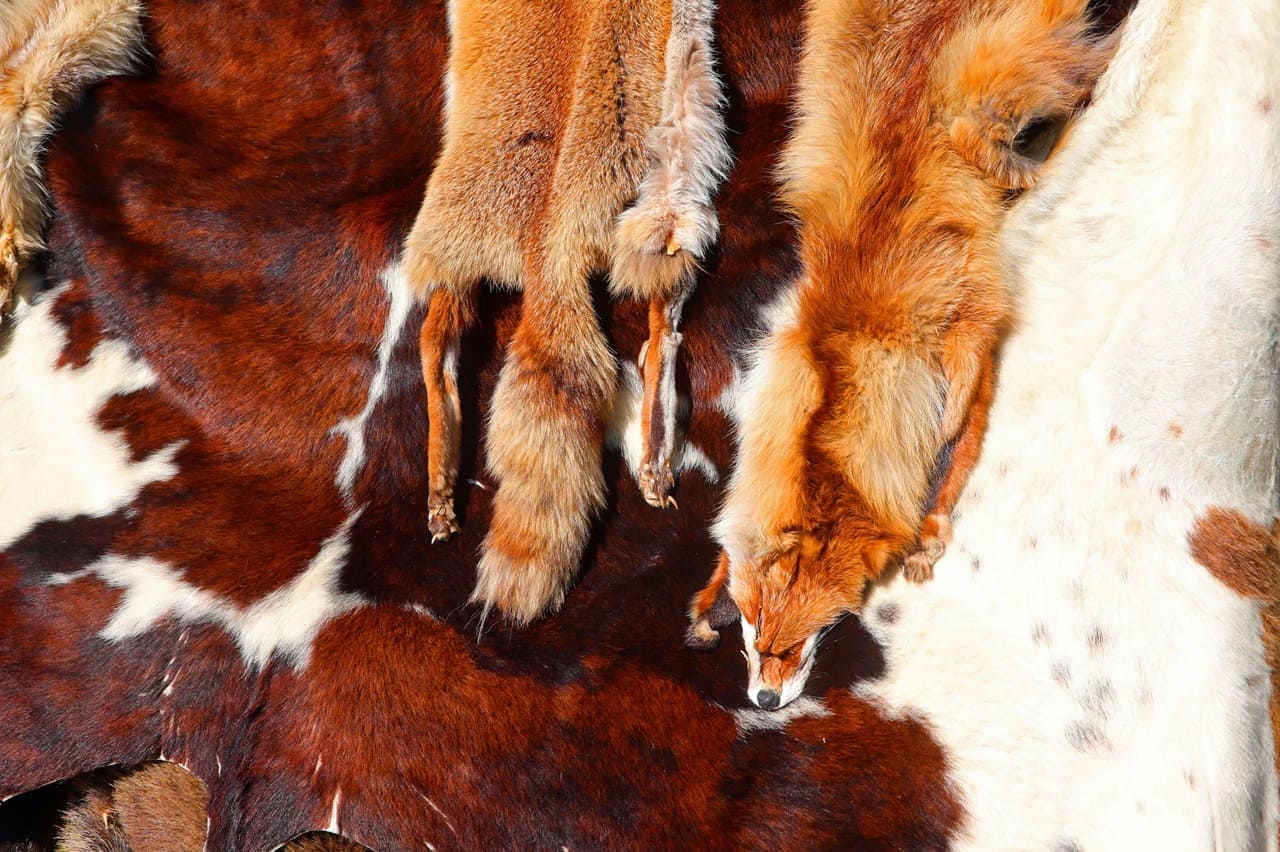
Belgium bans import of hunting trophies
Landmark decision will improve the protection of elephants, lions, rhinoceroses and other species.


In a significant triumph for wildlife protection and animal welfare, the Belgian Parliament has made a groundbreaking decision.
By voting unanimously in favour of the bill put forward by the Minister for Climate, Environment, Sustainable Development and Green Deal, Zakia Khattabi, which bans the import of hunting trophies from endangered species into the country.
This historic step, which came almost two years after Parliament first called for such a ban, will help protect species such as lions and rhinoceroses.
The vote, adopted unanimously in the Belgian Chamber of Representatives, reflects the opinion of the vast majority of Belgians, 91% of whom oppose trophy hunting and 88% of whom support a ban on the import of all hunting trophies, according to a 2020 Ipsos survey commissioned by Humane Society International/Europe.
Until now, trophies from endangered species such as hippopotamuses, cheetahs and polar bears could legally be imported into Belgium. The new law will stop the import of hunting trophies of many species that could currently be threatened by trade if it is not restricted. All species listed in Annex A of European Regulation 338/97 on the protection of specimens of wild fauna and flora, such as jaguars, cheetahs, leopards, certain brown bear species, mountain zebras and chimpanzees, are protected under the new law, as are certain species inAnnex B of the same regulation, including African lions, the southern white rhinoceros, hippopotamuses and argali sheep, which are also listed in Annex XIII of Regulation (EC) No. 865/2006 governing trade in protected wild fauna and flora. The new law goes beyond the Parliament's 2022 resolution by extending protection to more species listed in Annex B than the six originally specified in that resolution.
Member of Parliament Kris Verduyckt (Vooruit, Flemish Socialists), who initiated the legislative proposal to ban the import of hunting trophies, said: “Our country is finally banning the import of hunting trophies from endangered animals. The protection of these species is incompatible with the import of hunting trophies. I am pleased that my legislative proposal is now enshrined in our legislation, and I hope that many other countries will follow this example.”
Zakia Khattabi, Minister for Climate, Environment, Sustainable Development and the Green Deal, said: “With the approval of my legislative proposal this Thursday in the plenary session, Parliament is establishing a legal basis for the resolution adopted unanimously on 24 March 2022. It is urgent and necessary to protect these threatened and endangered species!”
Humane Society International/Europe, which has been advocating for this cause for years and has worked closely with Belgian members of parliament to secure parliamentary support, welcomes the adoption of this important law, which brings a complex legislative process to a successful conclusion. The animal welfare organisation worked with members of parliament for over two years to push through an import ban. The result was initially a unanimously supported parliamentary resolution in 2022, which was adopted in July 2023 by the Council of Ministers of the Belgian federal government as a legislative proposal.
"The Belgian Parliament has today written history for animal protection and thereby demonstrates its constant commitment and moral principles against the senseless killing of protected wildlife," said Ruud Tombrock, Executive Director of HSI/Europe. "With this decision, Belgium positions itself as a pioneer in the protection of biodiversity and endangered species. We are convinced that other European countries are also ready to follow this example and take a clear stance against trophy hunting by banning the import of such 'souvenirs'. The time is ripe for an EU-wide ban on the import of hunting trophies of endangered and protected species, reflecting the opinion of citizens in all Member States of the European Union, who are collectively committed to a sustainable treatment of animals and biodiversity and wish to prevent fragmentation of the EU internal market."
The ban in Belgium sends a positive signal in support of the adoption of a similar ban in neighbouring France, where a cross-party legislative proposal for an import ban on hunting trophies of protected species is currently being debated in parliament. This ban was proposed by environmental MP Sandra Regol with the support of Renaissance MP Corinne Vignon, Chair of the Study Group on the Condition and Welfare of Animals.
Before their implementation, the adopted Belgian legislation must still receive royal assent and be promulgated. The text will then be published in the Belgian Official Gazette and enters into force on the date specified in the text or, if no such date is specified, 10 days after publication.
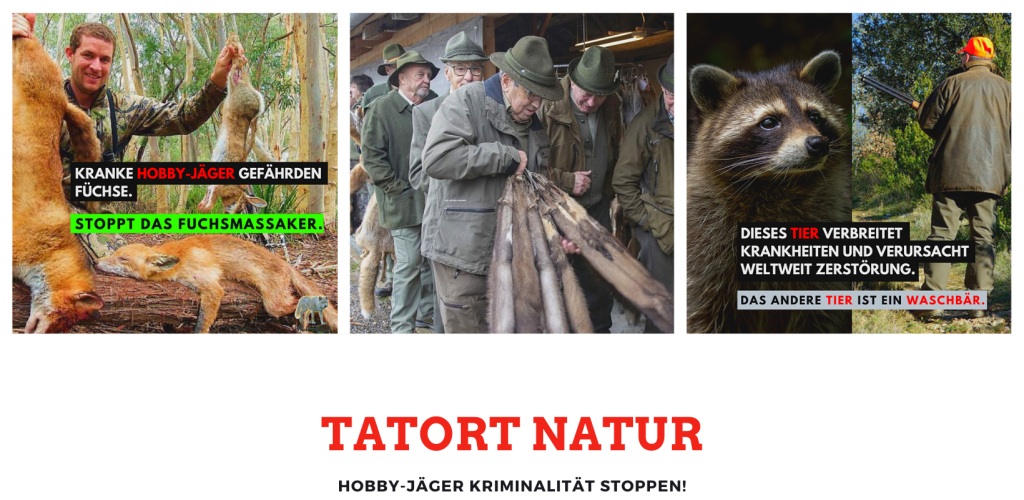
Download here images of hunting trophies and campaign materials against trophy hunting.
Background:
- Trophy hunting of protected species poses a serious threat to conservation and the world's natural heritage. Trophy hunters preferentially kill the largest and most impressive animals, whose loss can lead to a continuous decline in populations. Many of the hunted species, such as African elephants, rhinoceroses and leopards, are endangered and play a crucial role in maintaining healthy ecosystems and biodiversity.
- According to a HSI/EU report According to reports, the EU is the second largest importer of hunting trophies after the United States, with an average of 3,000 trophies imported between 2014 and 2018. The EU was also the largest importer of cheetah trophies, with 297 imported into the EU between 2014 and 2018. The five most important species imported as trophies into the EU are: Hartmann's mountain zebra (3,119), chacma baboon (1,751), American black bear (1,415), brown bear (1,056) and African elephant (952).
- Belgium is the 13th largest importer of hunting trophies of internationally protected species in Europe.
- In May 2016, the Netherlands introduced a ban on the import of hunting trophies for more than 200 species listed in Annex A of European Regulation 338/97 on the protection of specimens of wild fauna and flora by monitoring trade and of endangered species. The import ban also applies to the following Annex B species: white rhinoceros, hippopotamus, mouflon (wild sheep from the Caucasus), lion and polar bear. In total, 200 animal species are affected by the ban on import licences.
- France introduced a ban on the import of lion hunting trophies in 2015. A legislative proposal aimed at "ending the issuance of import permits for trophy hunting of certain endangered species" was submitted in 2023. On 24 January 2024, the Committee for Sustainable Development in the French National Assembly voted in favour of the bill.
- The import of hunting trophies into Finland was restricted in June 2023. The new Nature Conservation Act contains a provision prohibiting the import as trophies from countries outside the EU of individual animals or parts of the world's most critically endangered species threatened by international trade.
- In Germany, Environment Minister Steffi Lemke (Greens) announced her intention to restrict the import of hunting trophies from protected animal species. Germany terminated its membership of the International Council for Game and Wildlife Conservation, a trophy hunting lobby organisation, in 2022.
- In Italy, a bill was introduced in 2022 that would ban the import, export and re-export of hunting trophies from animals protected under the CITES Convention (Convention on International Trade in Endangered Species) to and from Italy. Following the fall of the government and the elections in 2022, the same bill was reintroduced in parliament.