Arthritis in cats: recognising and relieving symptoms
Many cats develop chronic joint inflammation over the course of their lives. Yet arthritis often goes undetected. Pain then becomes a daily companion throughout a cat's life. Even when the damage is irreparable, the cat does not have to suffer unnecessarily. Modern pain therapies provide noticeable relief.

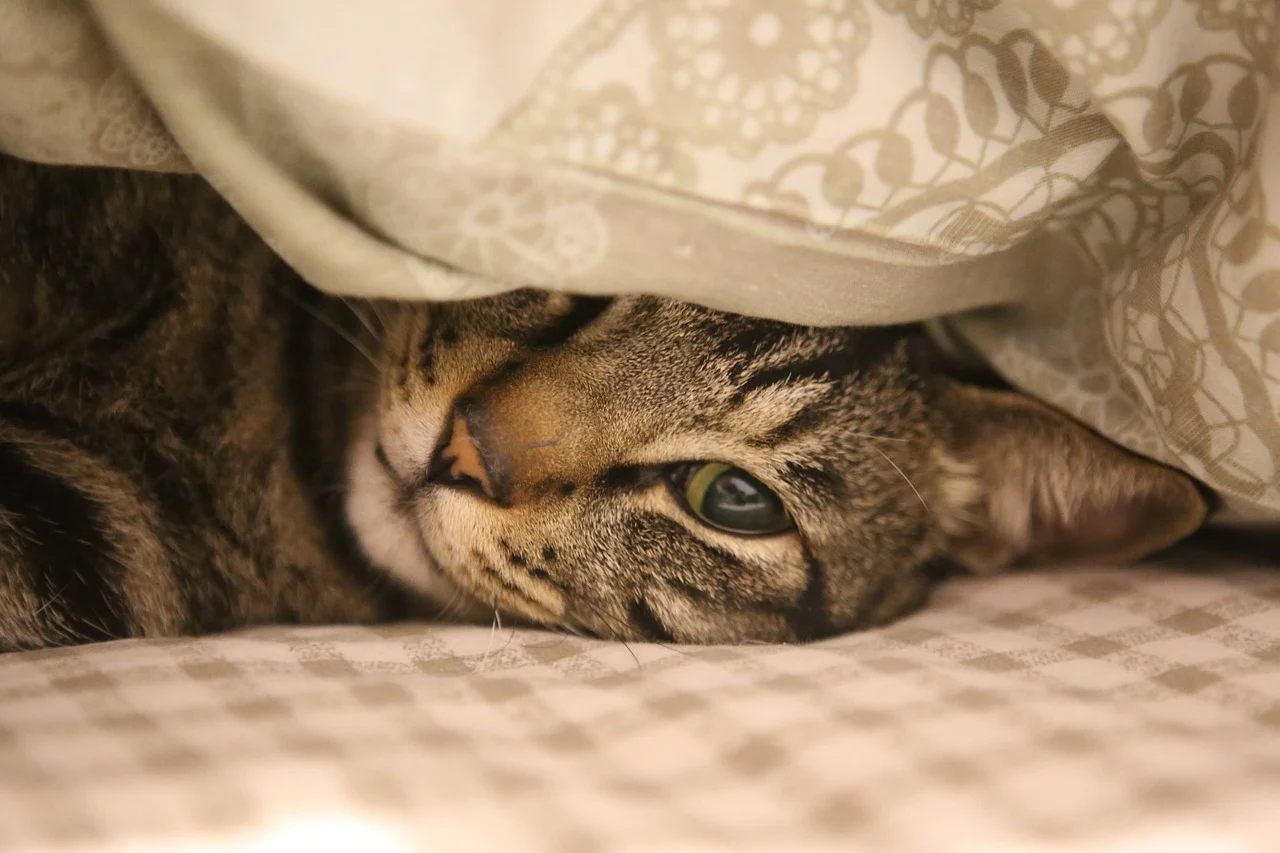
The view out of the window during the grey season explains not only the low mood we humans experience.
Even the cat can hardly be motivated to play and have fun in cold, damp, dreary weather. Besides, she has already accumulated a few years on the clock. Surely the beloved house cat has earned a little rest? None of this is wrong, but it does not go far enough. The passive behaviour of the cat could in fact conceal a serious illness — not infrequently a degenerative joint disease known as arthritis.
Arthritis is common in older cats
Approximately 30–50 percent of all older cats are affected by arthritis and show clinical symptoms. In one study, X-rays revealed arthritic joint changes in over 90 percent of animals aged more than 12 years. The link between age and arthritis is therefore clear. Furthermore, arthritis can also result from injuries or malformations.
How can arthritis be recognised?
The recognisable clinical picture includes above all pain, which explains the diminishing desire to move. In this respect, cats differ little from humans. Clearly visible lameness, however, is relatively rare. In addition to reduced activity, behavioural changes such as restlessness, reduced grooming, a sullen expression or avoidance of other household members can also be signs of arthritis.
Osteoarthritis typically begins with cartilage damage. The body responds with complex processes that are, however, unable to halt the progression — and thus the joint inflammation. As a rule, the acute joint inflammation, known as arthritis, takes a chronic course. This is then referred to as osteoarthritis. According to a survey, most cat owners are aware that osteoarthritis can become an issue. However, they tend to categorize it as a sign of aging — something one does not necessarily discuss with a veterinarian. An early diagnosis is nonetheless important in order to spare the animal unnecessary suffering.
Relieving the pain
When it comes to treatment, veterinarians today rely on multimodal therapy. This encompasses all approaches suited to alleviating pain and preventing the progression of osteoarthritis. Chronic inflammation of the joint and its surrounding structures — such as tendons or the joint capsule — represents a source of persistent pain. This constitutes a form of chronic stress on body and mind, and has harmful effects on the cardiovascular system, respiration, and the immune system. The pain forces the cat into inactivity, which further promotes the disease. The veterinarian breaks the vicious cycle of pain, inflammation, and further degeneration using specialized, cat-compatible pain medications. For long-term use, proven medications against pain and inflammation as well as new, innovative forms of pain therapy are available. These help to restore greater mobility and quality of life to the animal. It is essential to follow the prescribed instructions and dosages precisely, as cats can be highly sensitive to many medications.
Complementary measures
Pet owners can support their cats at home by adapting the environment to their limited mobility. If large jumps onto a sunny windowsill are no longer possible, a stool can help to reduce the distances. A scratching post with many levels that are not too far apart can still be managed even with painful joints. Cats with severely restricted mobility, however, may even need assistance with grooming. If arthritic cats are overweight, a diet is called for. Every pound that is taken off the joints counts. Specially adapted food with an increased content of omega-3 fatty acids can also have a positive effect on the joints, writes the Bundesverband für Tiergesundheit e.V. in a press release.
More on the subject of recreational hunting: What the research says about this is shown by Hunting fact-checked: the state of research.
The position of IG Wild beim Wild: IG Wild beim Wild rejects recreational hunting. Our model is the canton of Geneva, which has managed without recreational hunting since 1974: without hunting seasons, without hunting dogs, without driven hunts, without high seats, without the animal cruelty and crime that go hand in hand with hunting season elsewhere. What has worked there for over fifty years disproves every position paper by JagdSchweiz. An association that bases its policy on claims it refutes in its own documents is not a professional organisation, but a factory for misinformation.