Farewell to Silverback N'Gola and Realignment of the Gorilla Group at Zoo Zurich
The male gorilla N'Gola was euthanized at Zoo Zurich. His body was donated to research and his skull will be prepared for educational purposes at Zoo Zurich.

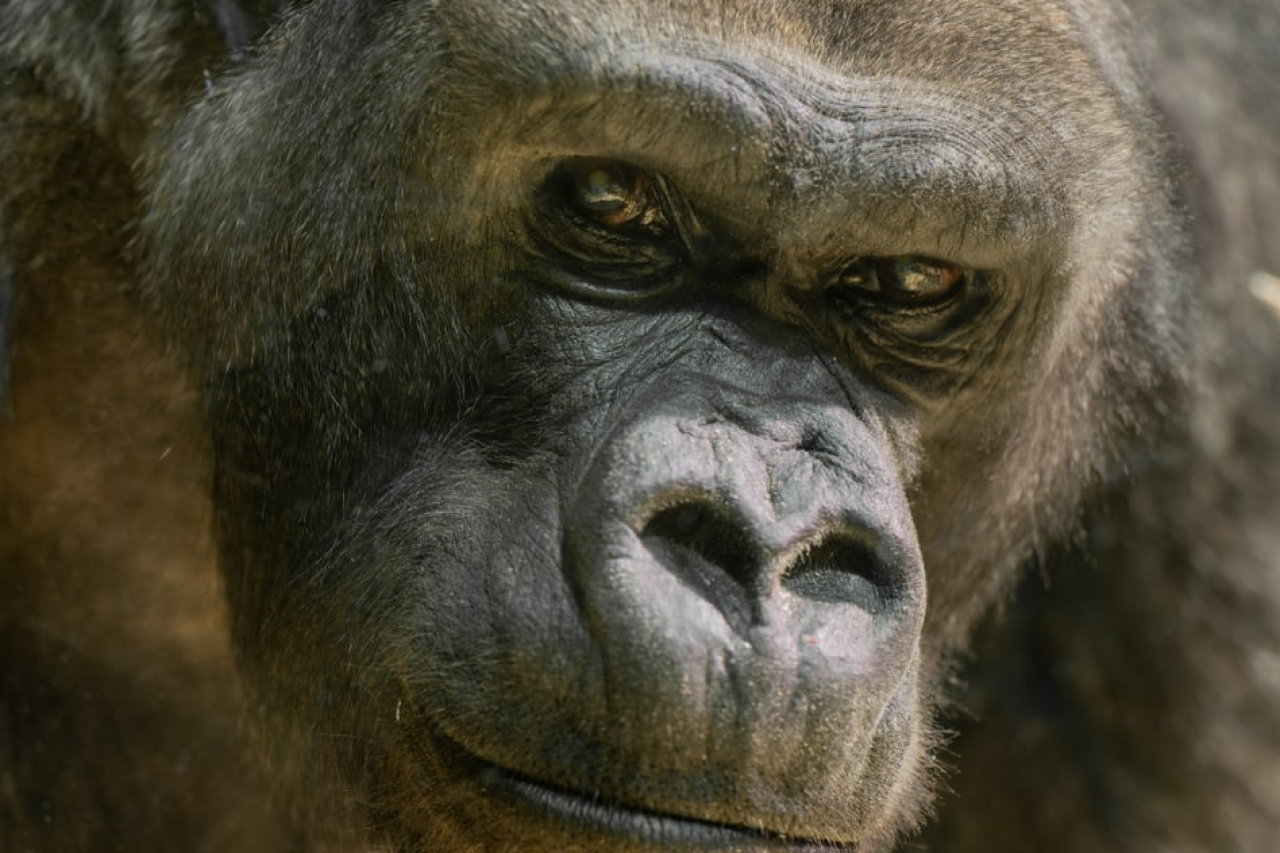
The silverback N'Gola is dead.
At 47 years of age, he had reached a remarkable age for a gorilla. He had been suffering from various health problems for some time, had been receiving pain medication for several years, and was regularly monitored by veterinarians. In recent months, his health had deteriorated further. N'Gola lost weight and muscle mass and was eating increasingly less.
Not an Easy Decision
N’Gola was born in captivity and fathered 34 offspring. He was known for his sensitive side and cared for his harem, his group of females.
His poor general condition also led to a progressive loss of dominance within the gorilla group. He was no longer able to mediate disputes among the females — an unnatural situation that caused stress for the entire group. In the wild, the silverback would long since have been displaced by a younger rival.
The decision to euthanize the silverback N'Gola was the right one, but it was nonetheless not made lightly given the circumstances. The male gorilla had been a part of Zoo Zurich for 40 years and was very well known to many visitors and staff members, explains Zoo Director Severin Dressen.
N'Gola's body is currently at the Veterinary Hospital of the University of Zurich for pathological examination. As part of the investigation, samples are also being taken for various research projects. Once the analyses are complete, the silverback's skull will be prepared and made available to the zoo for educational purposes.
Restructuring of the Gorilla Group
Simultaneously with the euthanasia of the silverback, a new gorilla breeding group is being established at Zoo Zurich as part of the European Endangered Species Programme (EEP). In the wild, the Western lowland gorilla is coming under increasing pressure. Experts anticipate a population decline of 80 percent over the next three generations. This would represent a massive collapse, pushing the species to the brink of extinction.
The changes to the existing gorilla group are being made in consultation with the EEP and are necessary for future breeding success based on the genetics of the individual animals. The two female gorillas Mary and Mahiri have therefore left Zoo Zurich for Zoo Saarbrücken and Zoo Wuppertal respectively. The female gorilla Mayumi has already arrived from Zoo Saarbrücken and is currently settling in behind the scenes at the great ape house. As a result, Haiba, the female gorilla remaining at Zoo Zurich, is briefly visible to zoo visitors as the only gorilla on display.
The introduction is taking place gradually
The 18-year-old silverback Bwana has also already travelled from Warsaw Zoo to Zurich. He is currently still in the zoo's quarantine station and will soon move into the great ape house, where he will meet the two females Haiba and Mayumi.
The two new females Virunguita (9) from Barcelona Zoo and Ivindo (8) from the French zoo La Vallée des Singes in Romagne will arrive at Zoo Zurich within the next few days and will spend the required quarantine period together in the quarantine station behind the scenes. They will then also move into the great ape house.
Further articles
- Zoos cause more harm to animals than you may realise
- Justice for zoo animals
- Is it time to ban zoos?
- Finland: Zoo wants to send giant pandas back to China due to maintenance costs
- The keeping of elephants in zoos must finally come to an end!
- Killing surplus animals – zoos are failing at species conservation