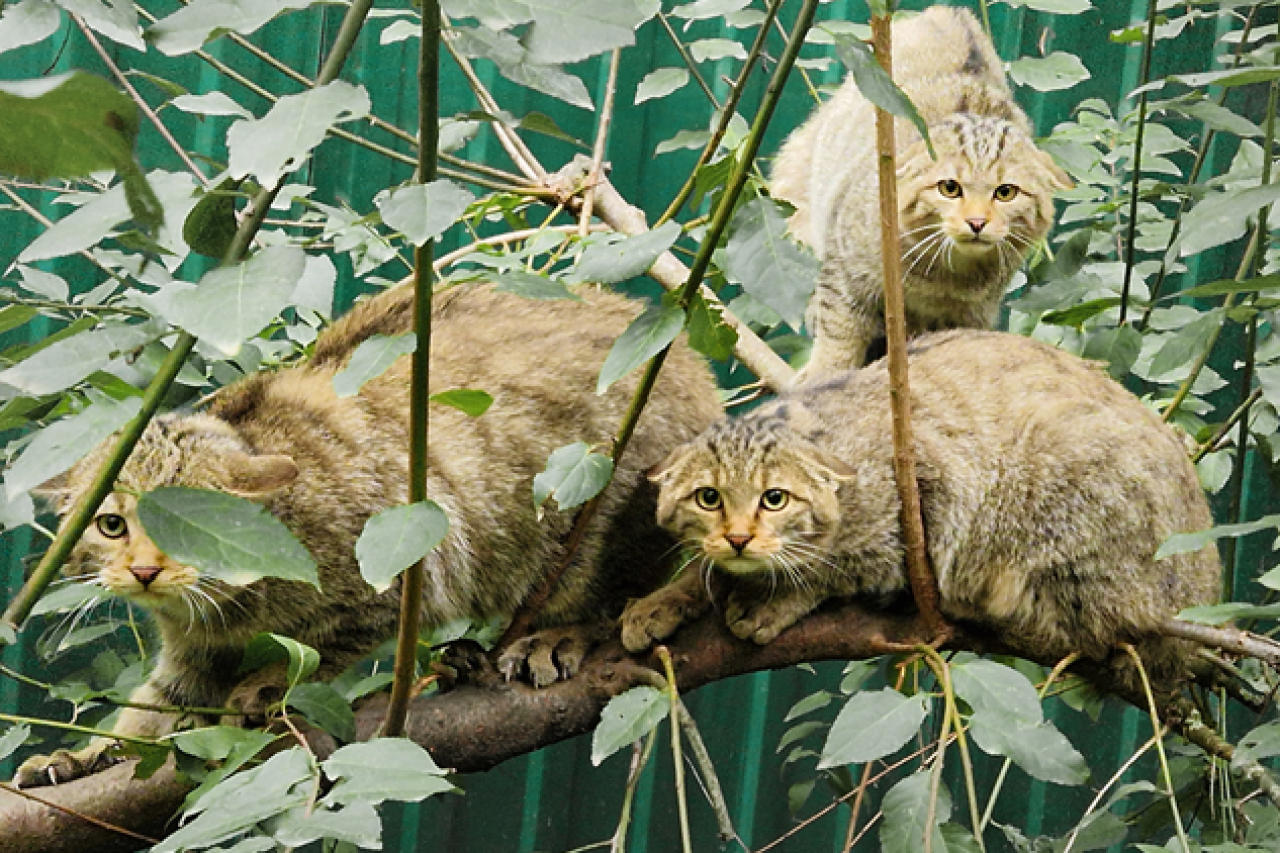
Spectacular comeback of 50 wildlife species in Europe
Wolves, bears and bison are staging a spectacular comeback in Europe. A study documents the return of 50 wildlife species across the continent.

New research shows that bears, wolves and bison are making a comeback across Europe.
These animals are among the 50 expanding species recorded in the new report on the comeback of European wildlife.
From loggerhead sea turtles and otters to humpback whales and wolverines, many previously threatened species have recovered in spectacular fashion.
«Wild nature is resilient and can recover when conditions are right«, the report.
states. Humans play a decisive role in creating these suitable conditions and in facilitating habitat restoration and species reintroduction.
Many European wildlife species remain under threat. Nearly one in eight birds and approximately one in five mammals on the continent are still at risk of extinction.
However, the report highlights «reasons for optimism» by analysing many of the species that have made an impressive comeback.
Wolves are one of the most iconic populations to have experienced a resurgence.
Grey wolves once roamed the entire continent. But in the 20th century they had nearly disappeared, as humans encroached on their habitats and hunted them.
Since the 1970s, the population has increased by 1’800% to 17’000 individuals.
The brown bear is another animal that has staged a comeback thanks to these efforts. Since 1960, the population has grown by 44%.
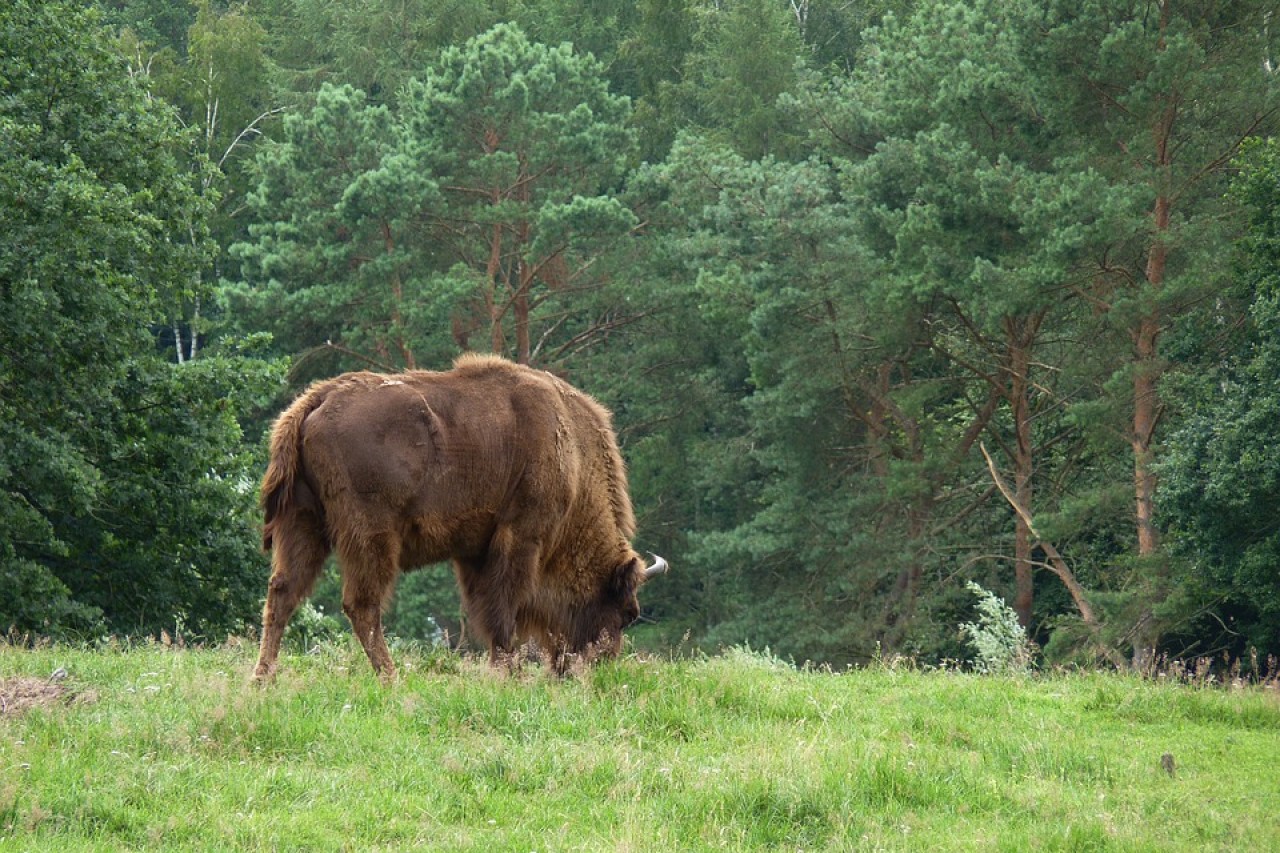
European bison populations have increased by 399% since 1971.
The large herbivore — one of the few surviving megafauna animals in the world — is a keystone species that helps maintain partially forested landscapes by consuming large quantities of shrubs.
Most of these triumphant recoveries are thanks to hunting bans, dedicated reintroduction efforts, and habitat restoration.
Why is it important to reintroduce species?
It is easy to support the protection of cute, cuddly animals. But when it comes to carnivores, people may have reservations.
Animals such as bears and wolves are often perceived as a threat to humans and other animals. They have been part of folklore for thousands of years, devouring sheep and shepherds in local stories.
Yet in the 21st century, the benefits of reintroduction far outweigh the threats.
The reintroduction and protection of endangered species improves the health of entire ecosystems – often in complex ways.
«For example, grey wolves in Poland's Białowieża Forest have changed the distribution of wildlife browsing (deer and wild boar) by driving the browsing species away from certain areas«, the report's authors explain.
The various species are interdependent in complex ways – consider the food chain – so that restoring the balance of population numbers can revive an area.
«We hope this report underscores the message that wildlife recovery and coexistence is not only possible, but essential for the health of our planet, even if it can be very complex«, says Sophie Ledger, the report's lead author.
When it comes to predators, authorities can protect people who may suffer from a reintroduction. For example, farmers who lose livestock to wolf predation are entitled to full compensation under EU law.