Swiss Streams and Rivers in Alarming Condition
Swiss waterways remain under severe pressure. As the Federal Office for the Environment (FOEN) reported, the ecological condition of streams and rivers has stabilised at a low level. Fish populations and aquatic plants are particularly affected.

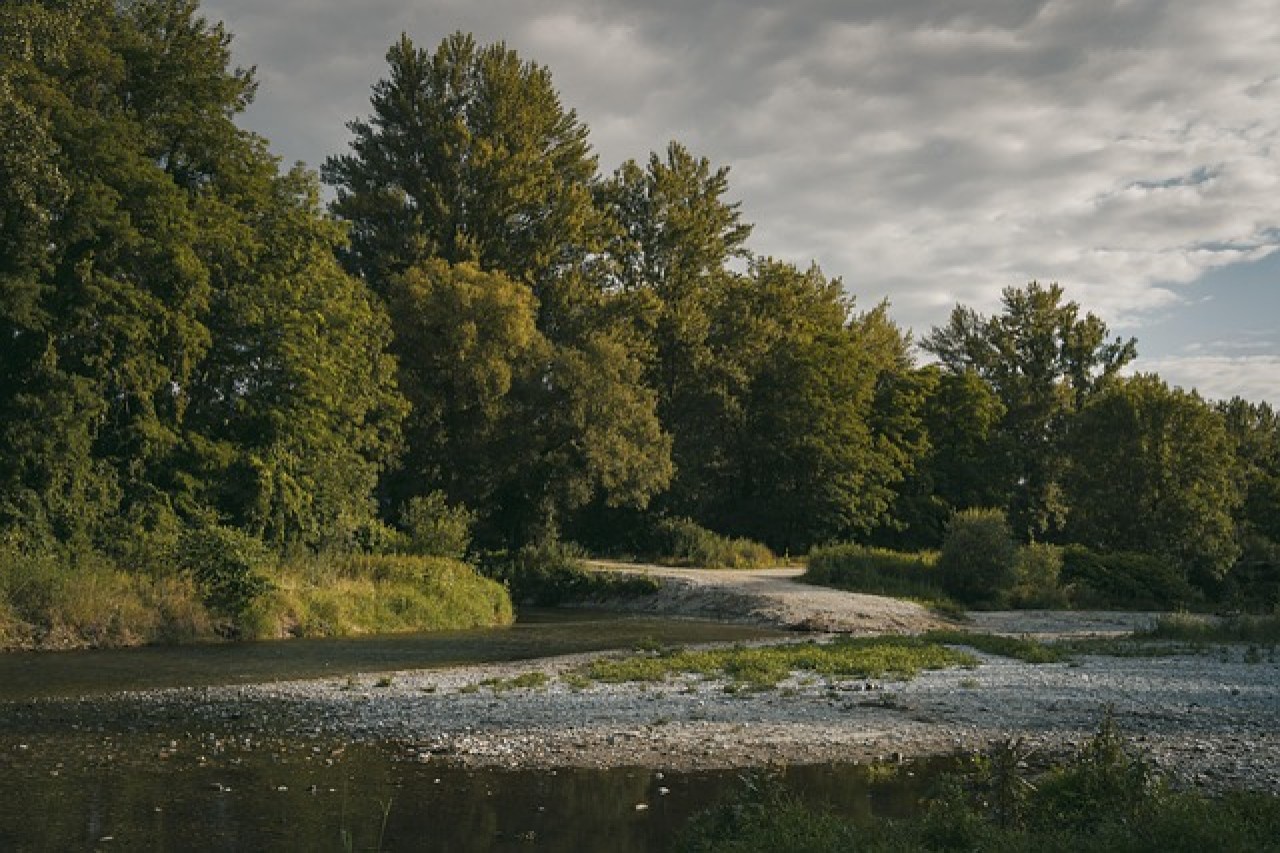
The results come from the fourth nationwide monitoring campaign, conducted in 2023.
Specialists regularly assess the situation of fish, insect larvae, small crustaceans, diatoms and aquatic plants. The conclusion is sobering: many biological communities are no longer close to their natural state.
As early as 2016, a FOEN study pointed to massive levels of pollution: only at 27% of monitoring sites did fish find good to very good living conditions.
A WWF analysis adds: only 3.6% of Swiss rivers are considered ecologically valuable (“high conservation value”), meaning they meet at least three of four criteria: biodiversity, natural habitats, natural water flow and unaltered river course.
The primary cause of the pollution is human activity. Waterways are affected by harmful substances and nutrients from agriculture, settlements, industry and commerce. Structural modifications that restrict natural habitats further compound the problem. At numerous monitoring sites, waste, foam or unpleasant odours were also observed.
The smallest streams — around 75% of the entire waterway network — are particularly heavily polluted and contain on average 34 active substances (pesticides, pharmaceutical residues, etc.).
The FOEN is urgently calling for further improvement measures. These include more effective wastewater treatment, the restoration of waterways, near-natural riverbank design and the modification of hydropower plants to allow fish to migrate. Abandoning harmful plant protection products is also considered necessary.
The Federal Office recalls that the Water Protection Act requires and supports these steps. If the measures were implemented consistently, living conditions in rivers and streams could improve. This would allow watercourses to better fulfil their central role for people and nature.
Since 2011, the Water Protection Act has obliged cantons to restore rivers and lakes. Nationwide, CHF 30–40 million per year is available for this purpose, with CHF 20 million each for wastewater treatment and CHF 50 million for the rehabilitation of hydropower plants.
The goal: to revitalize 50 kilometres of developed watercourses annually – yet so far only around 18 km on average per year has been achieved.
As a result, biodiversity in Swiss watercourses also remains severely threatened. Restoration targets exist, but progress continues to fall short of expectations. The necessary financial resources are available, yet implementation lacks speed and efficiency – due to space constraints, high planning costs, and complex competing interests.
| You can help all animals and our planet with compassion. Choose compassion on your plate and in your glass. Go vegan. |